

Infertility Doesn’t Have to Stop You from Having a Family

Thanks to medical breakthroughs pioneered at RMA, our In Vitro Fertilization (IVF) success rates are some of the highest in the industry, twin pregnancies are no longer the norm, and the vast majority of IVF babies are born to term and with the same birth weights as non-IVF babies. In other words, there is plenty of reason to be optimistic at RMA.

Schedule your first appointment

Once you complete the form, the team will reach out to you. You can also schedule by phone at 866-762-3140.

What Is In Vitro Fertilization?

In Vitro Fertilization, or IVF, is the procedure most commonly associated with fertility treatment.
 

While not every patient is right or ready for IVF, it has been demonstrated to be a highly effective option for many. Patients are often recommended for IVF based on a number of factors, including:

  • Age
  • Genetic disease
  • Recurrent miscarriage
  • Medical history
  • Issues related to sperm or egg quantity or quality
Image placeholder

Once any issues have been identified and addressed, the specialist will recommend an appropriate treatment plan and a cycle can be scheduled.

Patient Experience Rates

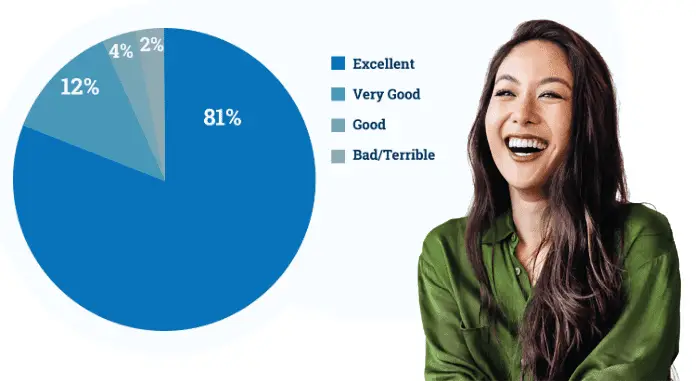
93% of patients say their overall patient experience at RMA was excellent or very good.

Pie chart of patient experience ratings: 81% excellent, 12% very good, 4% good, 2% bad or terrible

Step-By-Step IVF Process

Step 1

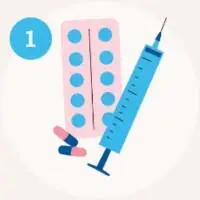
Ovarian stimulation

Ovarian stimulation: You will undergo daily injections of various ovarian stimulation medications over 8-12 days to stimulate multiple eggs in your ovaries. Once the egg(s) reach the proper size, you receive one final injection to spur the final maturation of the eggs.

Step 2

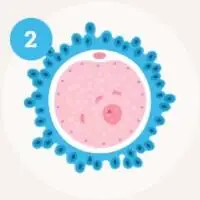
Egg Retrieval Process

Thirty-six hours after the trigger injection, the eggs are removed from the ovaries. Egg retrieval is a five to ten-minute procedure performed at RMA, during which anesthesia is administered to ensure your comfort. Most patients are able to return home an hour or so after the procedure.

Step 3

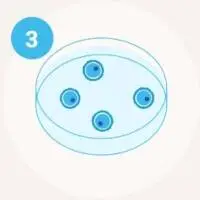
Extended Embryo Culture

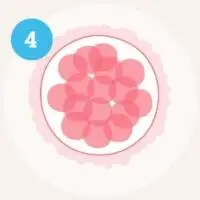
Developing embryos are allowed to grow in the IVF laboratory for up to seven days until they reach the blastocyst stage of development – growing to about 200 cells.

Step 4

Embryo Biopsy

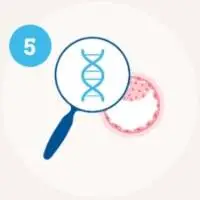
If a patient opts for genetic screening, a sample of genetic material must be biopsied from the embryo for analysis.

Step 5

Preimplantation Genetic Testing

As an option for IVF patients, Pre-implantation Genetic Testing for Aneuploidy (PGT-A) allows a more evidence-based approach to selecting embryos to transfer during IVF. With RMA’s PGT-A platform, we can identify the healthiest embryos for transfer in advance of implantation.

Step 6

Frozen Embryo Transfer

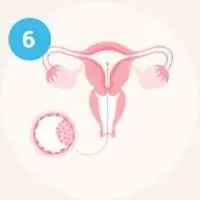
After the embryo has grown (the blastocyst stage of development) and the patient’s uterus is ready to receive the embryo, the embryo is transferred back to the uterus to implant and hopefully become a healthy pregnancy and delivery. While the embryo waits for the uterus to be ready, the embryo is frozen awaiting transfer. This is called Frozen Embryo Transfer (FET), and at RMA, is the standard of care for all IVF patients. FET has been shown to increase implantation rates and obstetrical outcomes.

Request an Appointment Today