Ovulation induction
Ovulation induction uses medication to stimulate egg production and induce ovulation, enabling timed intercourse during the fertility window to boost pregnancy chances.










If becoming pregnant is taking longer than expected, getting answers can help you understand what may be affecting your fertility. Female infertility can have many causes, from problems with ovulation to conditions affecting the ovaries, fallopian tubes, or uterus. We’ll help identify potential factors and explain your options for moving forward.

Pregnancy depends on several steps working together. An egg needs to develop and be released from an ovary, sperm needs to reach and fertilize the egg, and the resulting embryo needs to travel through the fallopian tube to the uterus and implant. A disruption at any point can make becoming pregnant more difficult.
Female infertility can be related to ovulation disorders, age-related changes in fertility, or conditions affecting the reproductive system. Common causes include polyendocrine metabolic ovarian syndrome (PMOS, formerly known as PCOS), endometriosis, uterine fibroids, damaged or blocked fallopian tubes, and premature ovarian insufficiency.
Ovulatory disorders are one of the leading causes of female infertility. Ovulation may happen irregularly or not at all because of hormonal or medical conditions. PMOS (formerly known as PCOS), thyroid hormone abnormalities, elevated prolactin levels, significant changes in weight, medications, and excessive exercise, may all interfere with ovulation.

Understanding why pregnancy has been difficult starts with looking at the different factors involved in conception. At Everleap Fertility, we take a comprehensive approach to fertility evaluation so you can better understand your reproductive health and the options available to you.
Your evaluation may assess whether you’re ovulating regularly and look for conditions affecting your ovaries, fallopian tubes, or uterus. Your fertility specialist will also consider your age, menstrual and medical history, and other factors that may be contributing to difficulty conceiving.
Once we understand more about what may be affecting your fertility, we’ll explain your results clearly and work with you to determine an appropriate path forward.
Common causes of female infertility include ovulatory disorders, endometriosis, tubal disease, uterine fibroids or abnormalities, and age-related changes in fertility.
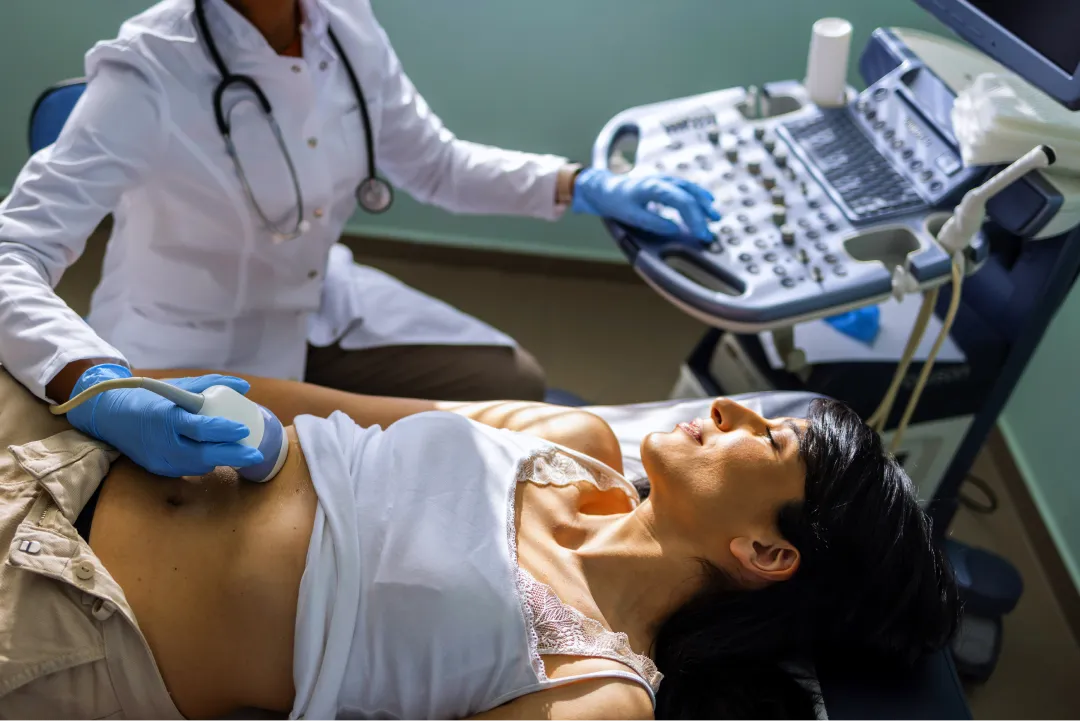
Treatment for female infertility depends on what’s affecting your fertility. For some people, medications may help regulate or induce ovulation. Others may benefit from intrauterine insemination (IUI), in vitro fertilization (IVF), or treatment for an underlying reproductive health condition.
Ovulation induction uses medication to stimulate egg production and induce ovulation, enabling timed intercourse during the fertility window to boost pregnancy chances.
Intrauterine insemination (IUI) assists in conception by carefully placing concentrated sperm directly into the uterus during peak fertility, significantly increasing the chances of fertilization.
If other treatments have not resulted in pregnancy or in the cases of severe male factor or tubal factor infertility, IVF may be recommended. It can be an effective option for individuals with unexplained fertility, particularly when ovulation induction alone or with intrauterine insemination (IUI) have not been successful.
When you’re navigating female infertility, having the right team matters. We take a holistic, personalized approach that considers your emotional, hormonal, metabolic, and reproductive health. As part of a collaborative network of fertility specialists, you’ll receive individualized care backed by decades of expertise.

We’ve cared for individuals going through female infertility, developing the clinical expertise to provide accurate diagnoses, thoughtful treatment recommendations, and compassionate care.

Our physicians stay at the forefront of reproductive medicine through ongoing research, collaboration, and continuous education, bringing the latest evidence and treatment advances directly to our patients.

Fertility is connected to your overall health. Our holistic approach considers factors such as nutrition, metabolic health, lifestyle, and emotional well-being alongside your fertility care, helping create a plan that supports you as a whole person.

Female infertility can have many causes. Some affect ovulation, while others affect the ovaries, fallopian tubes, uterus, or other parts of the reproductive system.
Common causes include:
Sometimes more than one factor may be involved. A fertility evaluation can help identify potential causes and guide treatment.
Ovulation is the release of an egg from an ovary. When ovulation happens irregularly or not at all, there may be fewer or no opportunities for an egg to be fertilized.
Ovulation can be affected by conditions including PMOS (formerly known as PCOS), thyroid hormone abnormalities, elevated prolactin levels, significant changes in weight, excessive exercise, and other medical problems.
Depending on the cause, medications may be used to help regulate or induce ovulation.
Difficulty becoming pregnant may be the first sign that something is affecting your fertility. Some underlying conditions can also cause symptoms such as irregular or absent periods, while others may have few noticeable symptoms. If your menstrual cycles are irregular or absent, or you have a known condition that may affect fertility, talking with a physician can help you understand whether an evaluation is appropriate.
You may seek a fertility evaluation after 12 months of trying to become pregnant if you’re under 35, or after six months if you’re over 35. You can talk with a fertility specialist sooner if you have irregular or absent periods or a known condition that may affect your fertility.
Treatment depends on the cause and your individual reproductive health. Options may include medications to induce or regulate ovulation, intrauterine insemination (IUI), or in vitro fertilization (IVF). Some underlying conditions may require other forms of treatment.