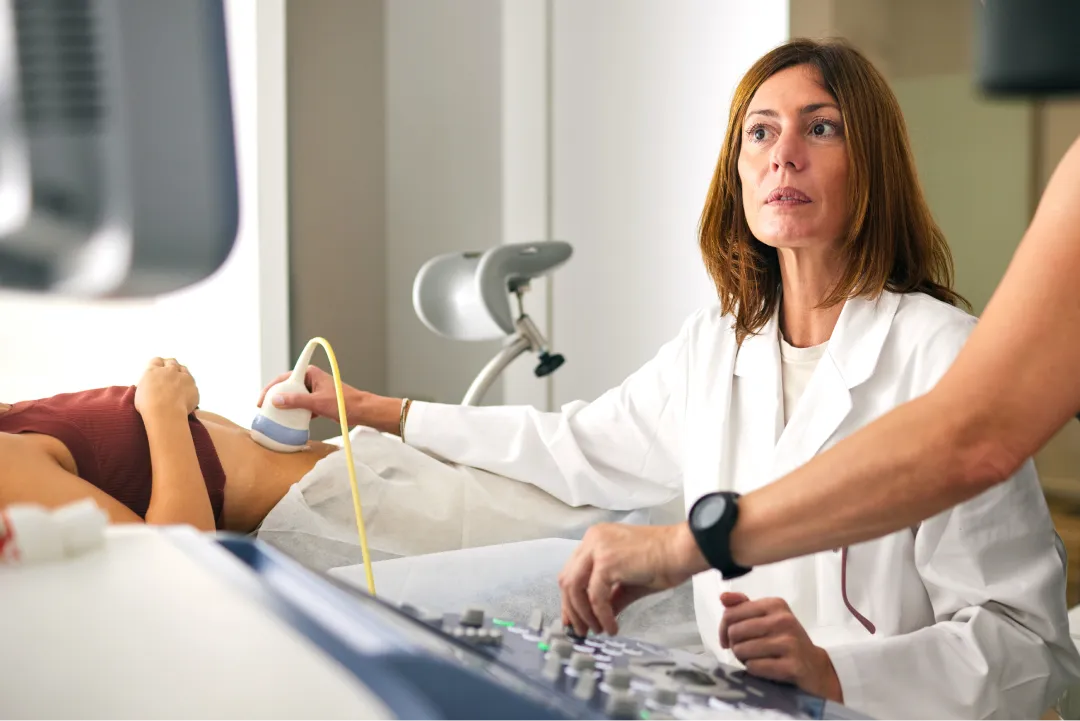
The doctors at the heart of your care
Get to know the doctors who bring deep fertility expertise to your care while taking time to understand your history and priorities










You may not be ready to grow your family today, but you can take steps to protect your options for when you’re ready.

Fertility preservation allows you to freeze eggs, sperm, or embryos to build your family when the time is right for you. It may be considered for personal reasons or before medical treatments that could affect fertility.
Because egg and sperm quality can change with age, preserving them earlier may provide more options when you're ready to pursue pregnancy. Your fertility specialist can help you understand your current fertility and whether preservation might be right for your goals.

There are several ways to preserve your fertility, and the right approach depends on your health, family-building plans, and where you are today.
Preserving your eggs: Egg freezing preserves unfertilized eggs for potential future use. After ovarian stimulation and egg retrieval, mature eggs are frozen and stored until you're ready to use them using a process called vitrification.
Preserving your sperm: Sperm freezing allows a semen sample to be collected, evaluated, and frozen for future fertility treatment. In some cases, sperm may also be retrieved through testicular sperm extraction (TESE) when a sample can't be provided.
Preserving your embryos: If you're ready to fertilize eggs now but aren't planning a pregnancy yet, eggs can be fertilized with sperm (from a partner or donor) through IVF to create embryos. The embryos can then be frozen and stored for a future embryo transfer.

There's no single reason to preserve your fertility. You may want more flexibility around when and how you grow your family or may consider it before other medical care that could affect future fertility.
A fertility evaluation can help you better understand where you are today. For patients with ovaries, your specialist may use bloodwork, including an anti-Müllerian hormone (AMH) test, and ultrasound to assess the number of eggs in your ovaries (ovarian reserve) and help guide your next steps.

Get to know the doctors who bring deep fertility expertise to your care while taking time to understand your history and priorities
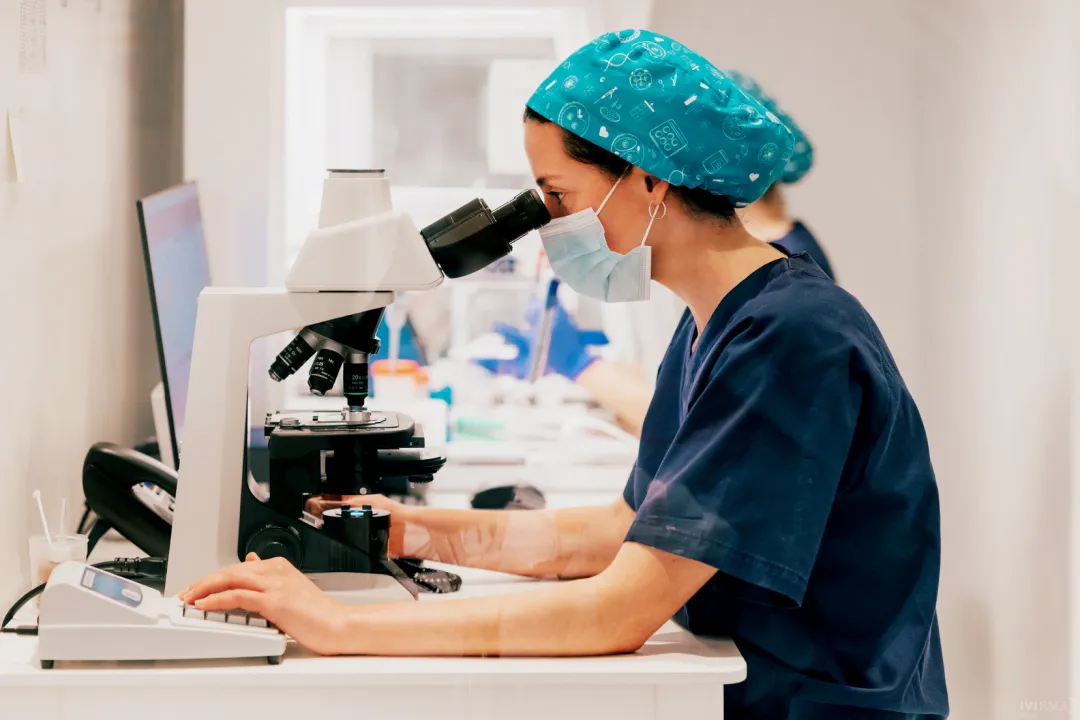
Much of IVF happens beyond the exam room. In our labs, experienced embryologists closely manage fertilization and embryo development
Explore trusted guidance from our fertility experts to better understand how to preserve your fertility and feel more confident about your next step.

Paragraph description. Lorem ipsum dolor sit amet, consectetur adipiscing elit, sed do eiusmod tempor incididunt ut labore et dolore magna aliqua. Ut enim ad minim veniam, quis nostrud exercitation ullamco laboris nisi ut aliquip ex ea commodo consequat.
1

Lorem ipsum dolor sit amet, consectetur adipiscing elit. Massa dignissim arcu mauris, malesuada.
1
Lorem ipsum dolor sit amet, consectetur adipiscing elit. Massa dignissim arcu mauris, malesuada.
1
Lorem ipsum dolor sit amet, consectetur adipiscing elit. Massa dignissim arcu mauris, malesuada.
1
Lorem ipsum dolor sit amet, consectetur adipiscing elit. Massa dignissim arcu mauris, malesuada.
1
Lorem ipsum dolor sit amet, consectetur adipiscing elit. Massa dignissim arcu mauris, malesuada.
1
Lorem ipsum dolor sit amet, consectetur adipiscing elit. Massa dignissim arcu mauris, malesuada.
Helping other people build their families is the most meaningful thing I could ever do for them.
Dr. Firstname Lastname, MD
Clinic location
Pretium mattis augue fusce libero proin molestie interdum phasellus in. Vel vel suscipit dictum scelerisque pellentesque magna posuere natoque.
There’s no single right time, but age can play an important role because egg and sperm quality can change over time. If you know you may want children in the future or are preparing for medical treatment that could affect fertility, talking with a fertility specialist earlier can help you understand your options and decide whether now is the right time.
No. Fertility preservation can give you more options for the future, but it can’t guarantee a pregnancy. Success depends on several factors, including your age at the time of preservation, the number and quality of eggs, sperm, or embryos preserved, and other fertility factors when you’re ready to pursue pregnancy.
Eggs, sperm, and embryos can be cryopreserved for future use. How long they can be stored may depend on the type of sample, storage facility, and applicable policies or regulations. Your care team can explain your storage options and what to expect over time.
Your next steps depend on what you preserve. Frozen eggs are thawed and fertilized through the vitrification process, while frozen embryos can be prepared for an embryo transfer.
Frozen sperm can be thawed and used with fertility treatments such as IUI or IVF. Your fertility specialist will recommend the approach that fits your family-building plans when you’re ready.