
Four decades of experience
Everleap Fertility brings together decades of experience in endometriosis care, giving our doctors a deep foundation of clinical expertise to guide diagnosis and treatment while providing compassionate, personalized care..










Endometriosis affects about 1 in 10 people with a uterus and can make it more difficult to become pregnant. At Everleap Fertility, we provide personalized care for people with endometriosis, helping you understand how the condition may affect your fertility and explore treatment options based on your family-building goals.

During a typical menstrual cycle, the lining of the uterus (endometrium) thickens to prepare for a fertilized egg. If pregnancy does not occur, this lining sheds during menstruation, or a period.
With endometriosis, tissue similar to the lining of the uterus grows outside the uterus. These growths, sometimes called endometrial implants, can develop on the ovaries, fallopian tubes, and other areas of the pelvis and abdomen.
This tissue responds to hormones during the menstrual cycle, which can cause inflammation and bleeding in the pelvic area. Over time, inflammation can also contribute to the development of scar tissue.
Endometriosis can affect people differently. For some, it causes significant pain or other symptoms. For others, difficulty becoming pregnant may be the first sign of the condition.
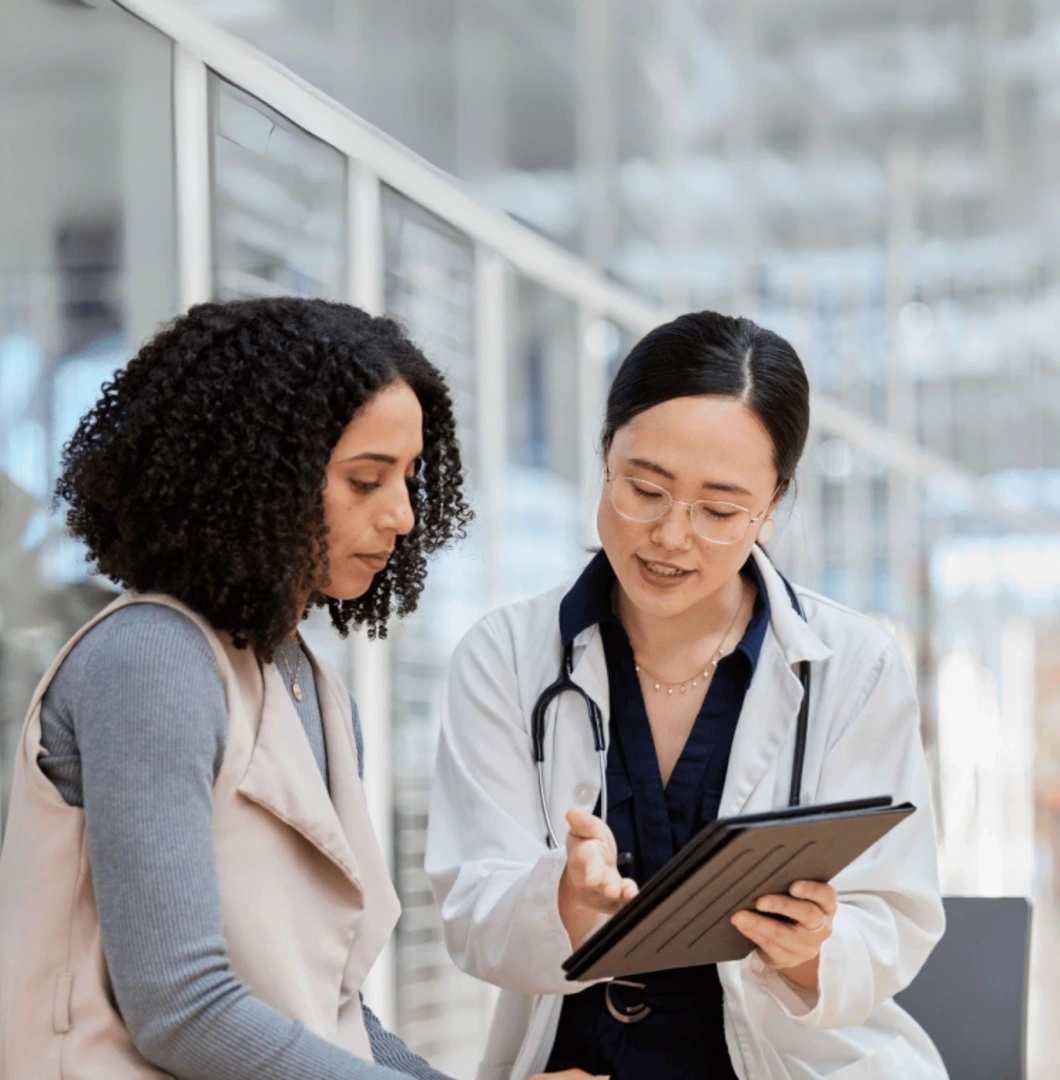
Treatment for endometriosis depends on your symptoms, age, diagnosis, and family-building goals. That’s why your treatment plan should be personalized to you.
For some people, laparoscopic surgery to remove endometriosis implants or cysts may improve fertility and make it possible to conceive without fertility treatment.
For others, fertility treatments such as ovulation induction or in vitro fertilization (IVF) may be recommended.
We’ll help you understand your options and determine an approach based on your individual needs and goals.
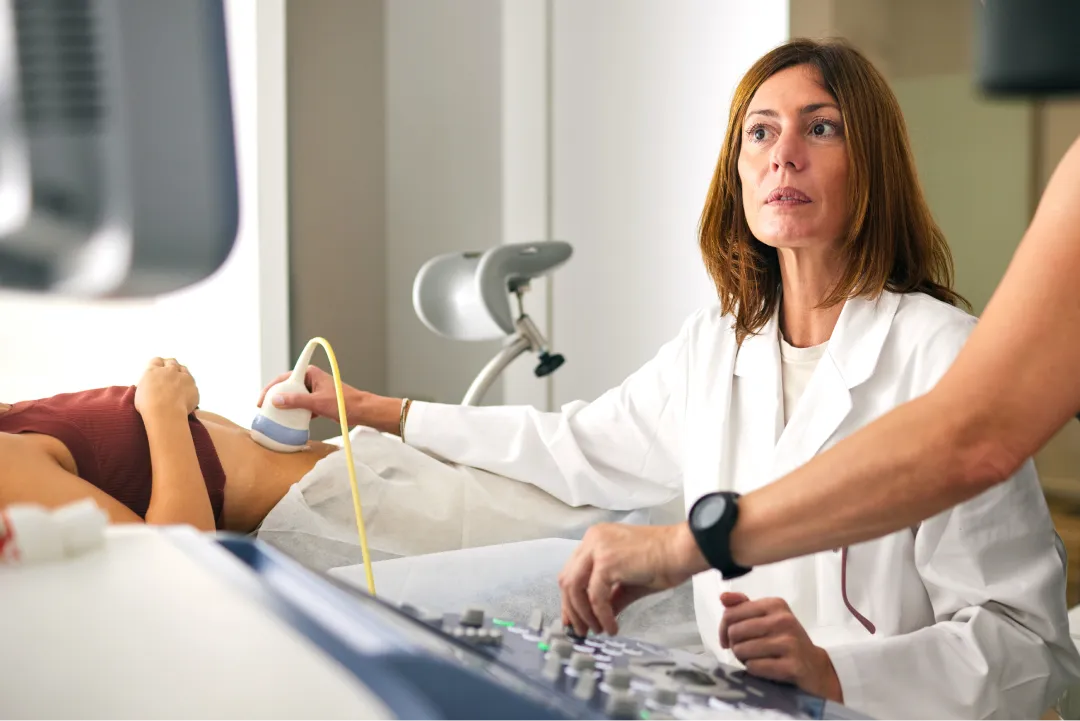
When you’re navigating endometriosis, having the right team matters. We take a holistic, personalized approach that considers your hormonal, metabolic, and reproductive health. As part of a collaborative network of fertility specialists, you’ll receive individualized care backed by decades of expertise.
Everleap Fertility brings together decades of experience in endometriosis care, giving our doctors a deep foundation of clinical expertise to guide diagnosis and treatment while providing compassionate, personalized care..

Our physicians stay at the forefront of reproductive medicine through ongoing research, collaboration, and continuous education, bringing the latest evidence and treatment advances directly to our patients.

Fertility is connected to your overall health. Our holistic approach considers factors such as nutrition, metabolic health, lifestyle, and emotional well-being alongside your fertility care, helping create a plan that supports you as a whole person.
During the surgery [to remove a fibroid], the doctor found endometriosis covering a decent portion of my uterus.”
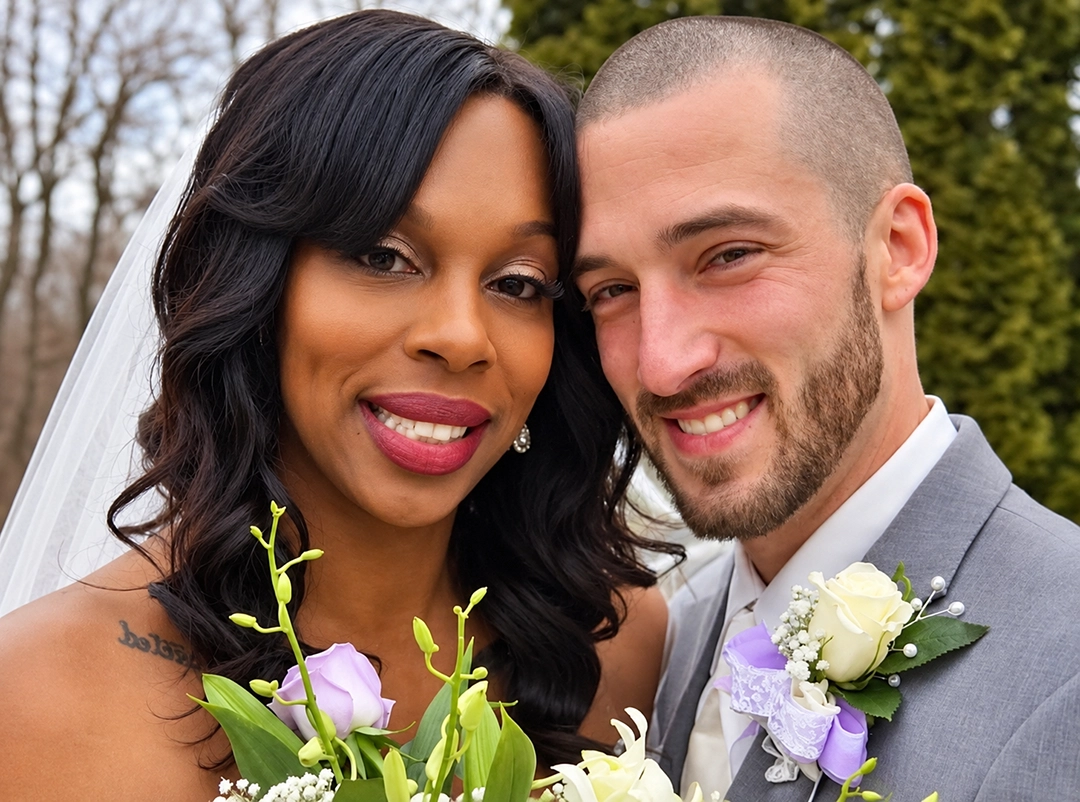
Taquisha & Patrick
Everleap Fertility brings together decades of experience in endometriosis care, giving our doctors a deep foundation of clinical expertise to guide diagnosis and treatment while providing compassionate, personalized care.
Lorem ipsum dolor sit amet, consectetur adipiscing elit. Massa dignissim arcu mauris, malesuada.
Lorem ipsum dolor sit amet, consectetur adipiscing elit. Massa dignissim arcu mauris, malesuada.

Endometriosis can make it more difficult to become pregnant, although many people with the condition are able to conceive naturally or with fertility treatment.
Endometriosis may affect fertility by:
The exact cause of endometriosis is unknown, but experts believe several factors may play a role, including:
There is currently no known way to prevent endometriosis, but treatment can help manage symptoms. Many people with endometriosis are able to become pregnant naturally or with fertility treatment.
Endometriosis affects everyone differently, and symptoms don’t always reflect the severity of the condition. Someone with mild endometriosis may experience significant pain, while someone with more advanced disease may have few or no symptoms.
Common symptoms include:
Some people with endometriosis have no symptoms and may not receive a diagnosis until they have difficulty becoming pregnant.
Your doctor may recommend one or more evaluations based on your symptoms and medical history, including:
Endometriosis is classified into four stages, from minimal (Stage I) to severe (Stage IV), based on the amount and location of affected tissue and scar tissue. The stage does not always reflect the severity of symptoms or the impact on fertility. Although there is currently no cure for endometriosis, treatment can help manage the condition.
Treatment depends on your symptoms and goals, including whether you’re trying to become pregnant.
Options may include:
Tellus leo condimentum hac mi facilisis vehicula mattis ipsum hendrerit aliquam mattis quam. Praesent at ultricies maecenas mattis vivamus justo suspendisse tempus hac mattis platea diam. Vitae molestie dictum rhoncus; natoque justo platea blandit convallis gravida habitant ultricies. Platea lacinia risus laoreet nibh dolor hac mattis fusce convallis sollicitudin.