
Understanding fertility conditions

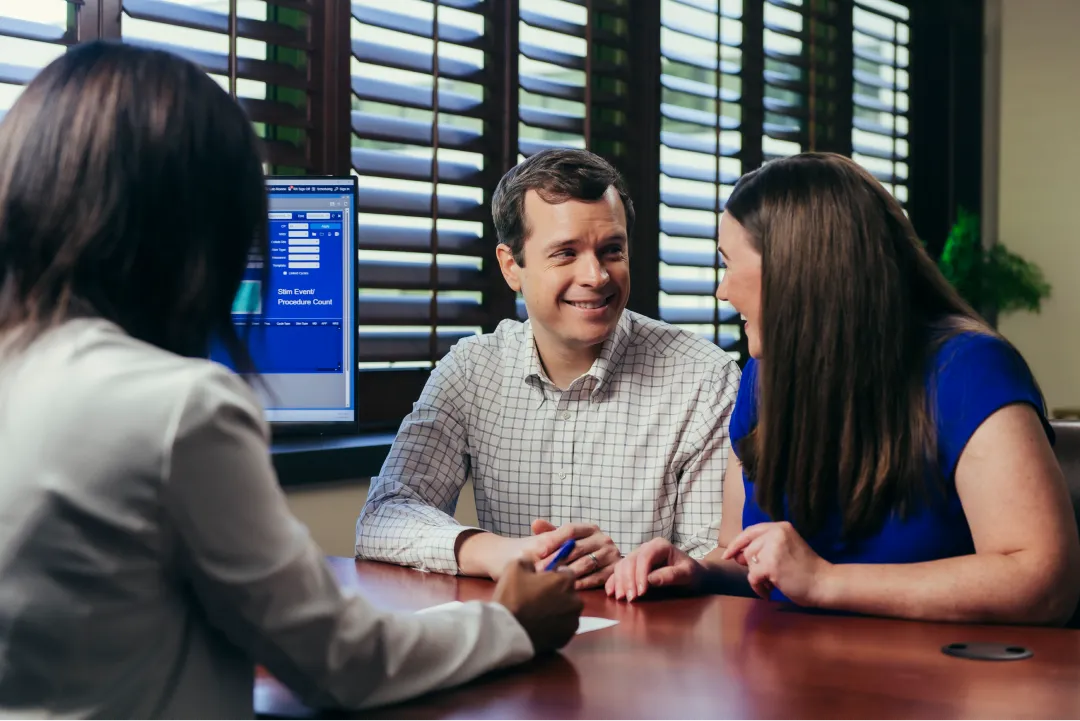
If you're looking for answers, you're not alone. Whether you're experiencing symptoms, have recently received a diagnosis, or are simply looking to better understand your fertility, we're here to provide clear, evidence-based information that empowers you to understand your treatment options and make informed decisions about your care.

Image placeholder

Before you have a diagnosis

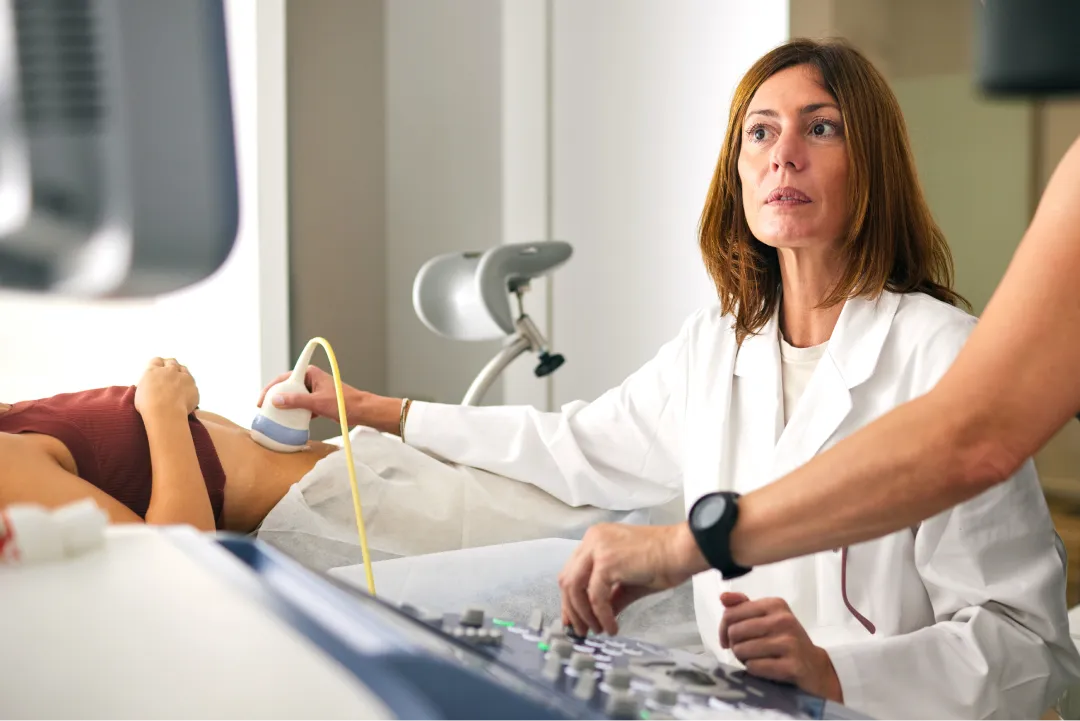
Not knowing the cause of infertility can be one of the most difficult and frustrating parts of the journey. Fertility challenges may stem from one partner, both partners, or sometimes no clear cause is identified despite a thorough evaluation. Understanding the possible underlying causes can help you ask informed questions and feel more confident as you take the next step. 

Image placeholder

Female infertility

Female infertility can result from a variety of conditions, including ovulation disorders, uterine abnormalities, fallopian tube disease, endometriosis, and age-related changes in egg quantity and quality. Understanding the underlying cause is an important first step in developing the most effective treatment plan.


Male infertility

Male infertility can result from problems with sperm count, motility, quality, or function, as well as hormonal imbalances or conditions affecting the reproductive tract. Evaluating both partners early in the fertility journey helps identify potential risk factors and builds a more complete picture of your fertility.

Unexplained infertility

Sometimes fertility testing does not identify a clear cause, even after a thorough evaluation. This is known as unexplained infertility. While the diagnosis can be frustrating, many effective treatment options are available.

Managing a known condition

Receiving a diagnosis can bring clarity, but it can also come with new questions. Learn more about common fertility conditions, how they may affect your reproductive health, and the personalized treatment options available to you.

Image placeholder

Polycystic ovarian syndrome (PCOS)

PCOS, now known as polyendocrine metabolic ovarian syndrome (PMOS), is a common hormonal and metabolic condition that can disrupt ovulation and lead to irregular menstrual cycles. With personalized treatment, many people can restore ovulation and improve their chances of pregnancy.

Diminished ovarian reserve

Diminished ovarian reserve (DOR) means the ovaries have fewer eggs than expected for your age, which can affect your response to fertility treatment. Early evaluation can help you better understand your reproductive potential and explore treatment options that align with your family-building goals.

Endometriosis

Endometriosis occurs when tissue similar to the lining of the uterus grows outside the uterus. It can affect fertility by causing scarring, inflammation, changes to the pelvic environment, just to name a few. While some people conceive after treating endometriosis, others may benefit from fertility treatment.

Tubal disease

Damage or blockage of the fallopian tubes can prevent the egg and sperm from meeting. Depending on the severity and underlying cause, treatment may include tubal surgery or in vitro fertilization (IVF).

Moving forward after pregnancy loss

Pregnancy loss can be heartbreaking, especially when it happens more than once. You don't have to face the uncertainty alone. A comprehensive evaluation can help identify possible contributing factors–including genetic, hormonal, anatomic, or other medical conditions–and help guide a personalized plan for moving forward with hope and confidence. 

Image placeholder

Protecting fertility before cancer treatment

A cancer diagnosis can feel overwhelming, and concerns about future fertility often add another layer of uncertainty. Oncofertility offers the opportunity to preserve your reproductive options before cancer treatment begins through a coordinated, personalized approach designed to protect your future fertility while keeping your cancer care on track. 

Image placeholder

More on fertility treatment

Ready to get started?