Understanding oncofertility

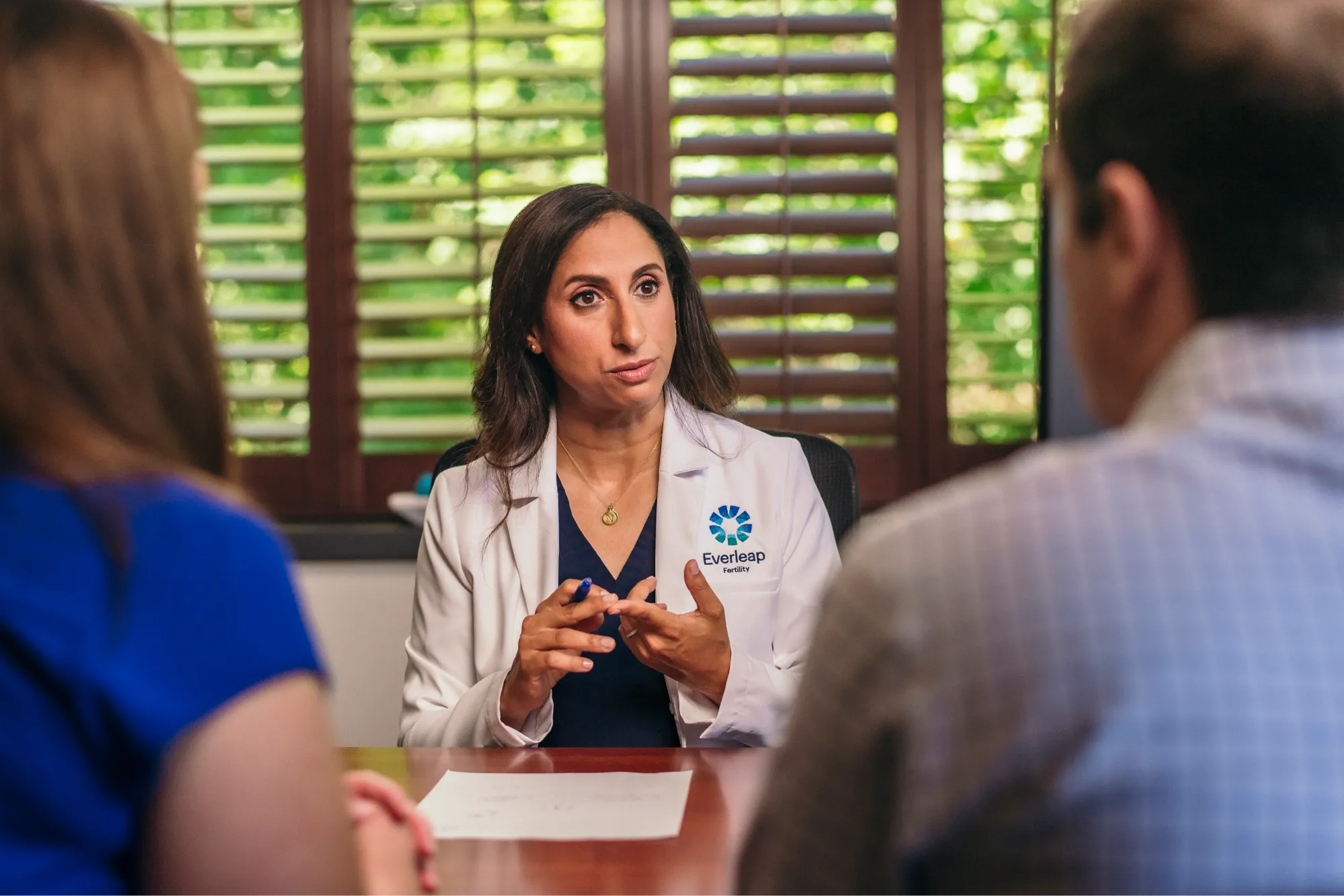
A cancer diagnosis can bring urgent questions about your future fertility. Oncofertility is a field that focuses on the future fertility of those with cancer. Meeting with an oncofertility specialist can help you understand your options for future family building. Our Fast Track Fertility Preservation Program provides timely, expedited support when treatment may need to begin quickly.

Image placeholder

What is oncofertility?

Fertility preservation is not always discussed before cancer treatment, and navigating both areas of care can be complex. Oncofertility brings cancer and fertility expertise together to help create a preservation plan based on your diagnosis, treatment plan, and future family-building goals.

Because some cancer treatments can affect fertility, understanding your options before treatment begins can help you make informed decisions about your future.

At Everleap Fertility, we help you understand how cancer treatment may affect your fertility and what preservation options may be available. When possible, fertility should be discussed early in your cancer care. If your care team has not raised the topic, you can ask whether fertility preservation should be considered before treatment begins. 

Image placeholder

Oncofertility at Everleap Fertility

A cancer diagnosis during your reproductive years can feel overwhelming, especially when decisions need to be made quickly. At Everleap Fertility, we recognize fertility preservation as an important part of comprehensive cancer care. Our Fast Track services help eligible patients explore options to freeze eggs, sperm, or embryos before beginning cancer treatment.

Our fertility specialists understand how cancer and its treatments may affect fertility. Using established fertility preservation approaches and technologies, we help you understand your options and develop a plan based on your treatment timeline and future family-building goals. 

Image placeholder

Treatment options for oncofertility

Fertility preservation before cancer treatment can help protect your options for future family building. Depending on your diagnosis, treatment plan, and timeline, options may include freezing eggs, embryos, or sperm. Your fertility specialist will work with you and your oncology team to determine an approach based on your individual needs and goals.

Egg freezing

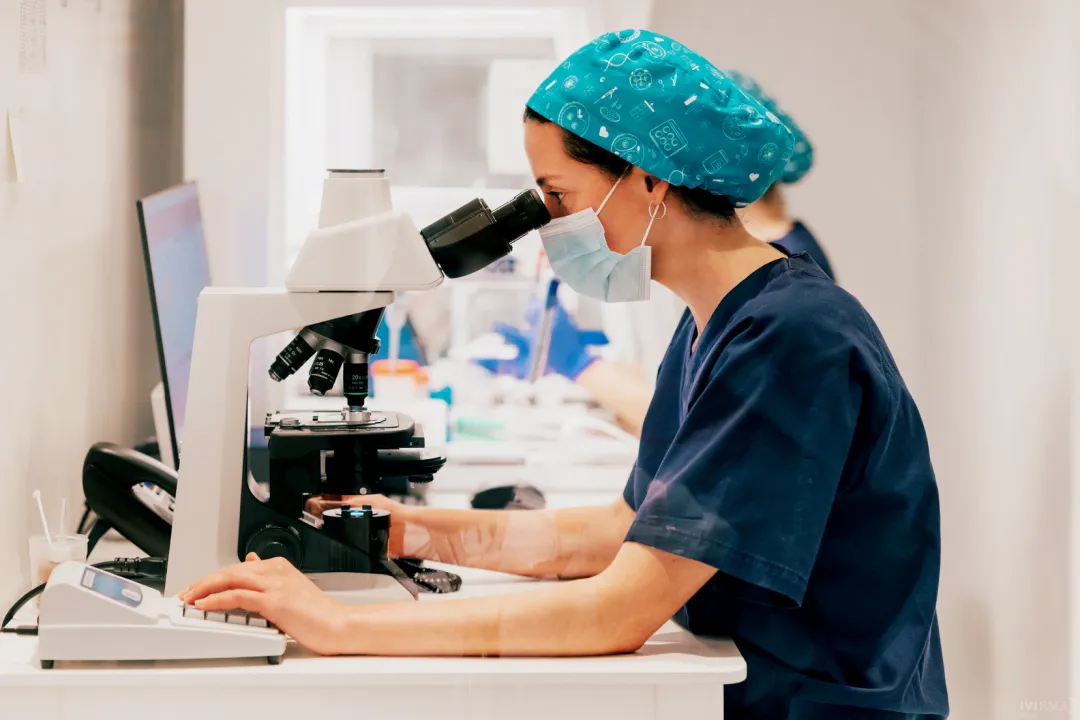
Egg freezing, or cryopreservation, can preserve fertility before cancer treatments that may affect the ovaries. The ovaries are stimulated with medication, and mature eggs are retrieved and frozen for potential future use. Your fertility specialist will work with your oncology team to coordinate care around your treatment timeline.

Sperm freezing

Sperm freezing, or cryopreservation, can preserve fertility before cancer treatments such as chemotherapy or radiation. A semen sample is collected and evaluated before sperm is frozen for potential future use with fertility treatments such as IUI, IVF, or ICSI. In some cases, sperm may be retrieved through a surgical procedure.

Experience you can trust

When you’re navigating fertility treatments during cancer, having the right team matters. We take a holistic, personalized approach that considers your hormonal, metabolic, emotional, and reproductive health. As part of a collaborative network of fertility specialists, you’ll receive individualized care backed by decades of expertise.

Image placeholder

Four decades of experience

We’ve cared for individuals going through fertility preservation, developing the clinical expertise to provide accurate diagnoses, thoughtful treatment recommendations, and compassionate care.

Image placeholder

Research-driven care

Our physicians stay at the forefront of reproductive medicine through ongoing research, collaboration, and continuous education, bringing the latest evidence and treatment advances directly to our patients.

Image placeholder

Holistic, personalized support

Fertility is connected to your overall health. Our holistic approach considers factors such as nutrition, metabolic health, lifestyle, and emotional well-being alongside your fertility care, helping create a plan that supports you as a whole person.

Frequently asked questions (FAQs)

How does cancer treatment affect fertility in people with female reproductive organs?

Cancer treatment does not always cause infertility, but some treatments can affect fertility temporarily or permanently. The impact depends on your age, fertility history, the type of cancer, and your treatment plan.

Treatments that may affect fertility include:

  • Surgery: Removing the uterus, ovaries, fallopian tubes, or cervix can cause infertility. Surgery near the reproductive organs may also lead to scar tissue that affects fertility.
  • Radiation: Radiation to the pelvis or abdomen can damage the ovaries or uterus. Radiation to the brain may affect hormone signals needed for ovulation.  
  • Chemotherapy: Some chemotherapy drugs, especially alkylating agents, can damage the ovaries and may lead to early menopause.  
  • Hormone therapy: Some hormone treatments for breast cancer can affect fertility, but the effects may be temporary. Additionally, they can delay your attempts at building a family 
How soon should you decide about fertility preservation after a cancer diagnosis?

 If you're considering fertility preservation, it's best to discuss your options before starting cancer treatment. Many fertility preservation procedures can be completed quickly and may not delay treatment.
 

  • For people with testes: Sperm freezing is a simple process that can often be completed in a day.  
  • For people with ovaries: Egg, embryo, or ovarian tissue freezing can usually be completed within a few weeks.

In some cases, fertility preservation may still be possible after treatment has started, depending on your diagnosis and treatment plan. Choosing fertility preservation is a personal decision. Some people decide not to pursue it because they want to begin cancer treatment right away, do not plan to have children, or have financial concerns.

If fertility preservation isn't possible or isn't the right choice, there are still pathways to parenthood after cancer treatment, including natural pregnancy, fertility treatment, egg donation, gestational surrogacy, or adoption.  


List item
Tellus leo condimentum hac mi facilisis vehicula mattis ipsum hendrerit aliquam mattis quam. Praesent at ultricies maecenas mattis vivamus justo suspendisse tempus hac mattis platea diam. Vitae molestie dictum rhoncus; natoque justo platea blandit convallis gravida habitant ultricies. Platea lacinia risus laoreet nibh dolor hac mattis fusce convallis sollicitudin.
List item
Tellus leo condimentum hac mi facilisis vehicula mattis ipsum hendrerit aliquam mattis quam. Praesent at ultricies maecenas mattis vivamus justo suspendisse tempus hac mattis platea diam. Vitae molestie dictum rhoncus; natoque justo platea blandit convallis gravida habitant ultricies. Platea lacinia risus laoreet nibh dolor hac mattis fusce convallis sollicitudin.
List item
Tellus leo condimentum hac mi facilisis vehicula mattis ipsum hendrerit aliquam mattis quam. Praesent at ultricies maecenas mattis vivamus justo suspendisse tempus hac mattis platea diam. Vitae molestie dictum rhoncus; natoque justo platea blandit convallis gravida habitant ultricies. Platea lacinia risus laoreet nibh dolor hac mattis fusce convallis sollicitudin.
List item
Tellus leo condimentum hac mi facilisis vehicula mattis ipsum hendrerit aliquam mattis quam. Praesent at ultricies maecenas mattis vivamus justo suspendisse tempus hac mattis platea diam. Vitae molestie dictum rhoncus; natoque justo platea blandit convallis gravida habitant ultricies. Platea lacinia risus laoreet nibh dolor hac mattis fusce convallis sollicitudin.
List item
Tellus leo condimentum hac mi facilisis vehicula mattis ipsum hendrerit aliquam mattis quam. Praesent at ultricies maecenas mattis vivamus justo suspendisse tempus hac mattis platea diam. Vitae molestie dictum rhoncus; natoque justo platea blandit convallis gravida habitant ultricies. Platea lacinia risus laoreet nibh dolor hac mattis fusce convallis sollicitudin.
List item
Tellus leo condimentum hac mi facilisis vehicula mattis ipsum hendrerit aliquam mattis quam. Praesent at ultricies maecenas mattis vivamus justo suspendisse tempus hac mattis platea diam. Vitae molestie dictum rhoncus; natoque justo platea blandit convallis gravida habitant ultricies. Platea lacinia risus laoreet nibh dolor hac mattis fusce convallis sollicitudin.

Ready to take the next step?