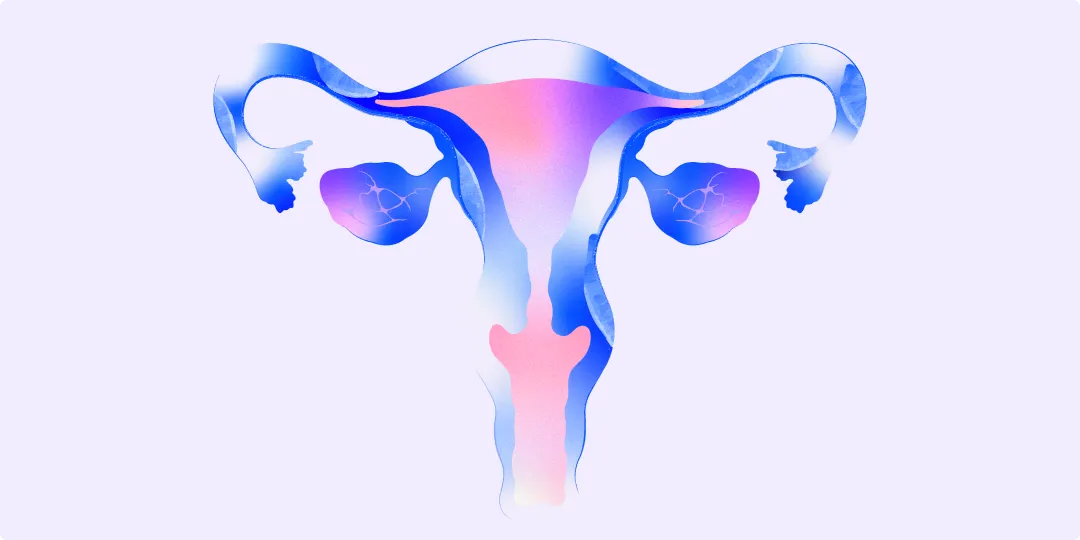
The fallopian tubes connect the ovaries to the uterus and play an essential role in conception. After an egg is released from an ovary, it enters a fallopian tube, where fertilization typically occurs. The developing embryo then travels through the tube to reach the uterus.
Tubal disease, sometimes called tubal factor infertility, occurs when damage or a blockage interferes with this process. One or both fallopian tubes may be affected, and the location and severity of the damage can influence your fertility and treatment options.
Common causes include pelvic infections, endometriosis, scar tissue from previous abdominal or pelvic surgery, and pelvic inflammatory disease (PID). Tubal ligation also intentionally blocks or interrupts the fallopian tubes.
Because tubal disease may not cause noticeable symptoms, some people first learn they have it during a fertility evaluation. Testing can help determine whether your fallopian tubes are open and identify the next steps that may be appropriate for you.