
Understanding reproductive surgery

Reproductive surgery can diagnose and treat conditions that may affect fertility, help relieve symptoms, and improve your quality of life. Our specialists will help determine whether surgery may be the right step for your needs.

Image placeholder

When is reproductive surgery recommended?

Reproductive surgery may be recommended to treat conditions that affect fertility, such as fibroids, endometriosis, scar tissue, or blocked fallopian tubes. Depending on your diagnosis, your doctor may recommend a minimally invasive procedure that may help improve your chances of pregnancy, relieve symptoms, or help your doctor understand the cause of infertility.

Image placeholder

Could reproductive surgery be right for me?

Surgery isn't the right solution for everyone—but for some patients, it can play an important role in improving fertility or treating conditions that affect reproductive health. After a comprehensive evaluation, your fertility specialist will recommend a treatment approach that is suited for your goals. 

Image placeholder

Explore your reproductive surgery options

Every fertility journey is different. Depending on your diagnosis, reproductive surgery may help treat the underlying cause of infertility or relieve symptoms that affect your reproductive health. Your fertility specialist will recommend the approach that's right for you.

1

Laparoscopy

Laparoscopy is a minimally invasive procedure that allows your physician to examine the abdomen and pelvis, including your uterus, ovaries, and fallopian tubes. During the same procedure, conditions such as endometriosis, fibroids, scar tissue, or blocked fallopian tubes can often be treated to help improve fertility.
2

Hysteroscopy

Hysteroscopy is a minimally invasive procedure that allows your physician to examine the inside of the uterus and treat conditions such as polyps, fibroids, and scar tissue. It can also help identify causes of implantation failure and uterine lining (endometrial) disorders.

3

Myomectomy

A myomectomy removes uterine fibroids while preserving the uterus. Depending on their size and location, fibroids can affect fertility or cause symptoms such as heavy periods, pelvic pain, and recurrent pregnancy loss. Removing them may improve both reproductive health and quality of life.

Your care team, from clinic to lab

Image placeholder

The doctors at the heart of your care

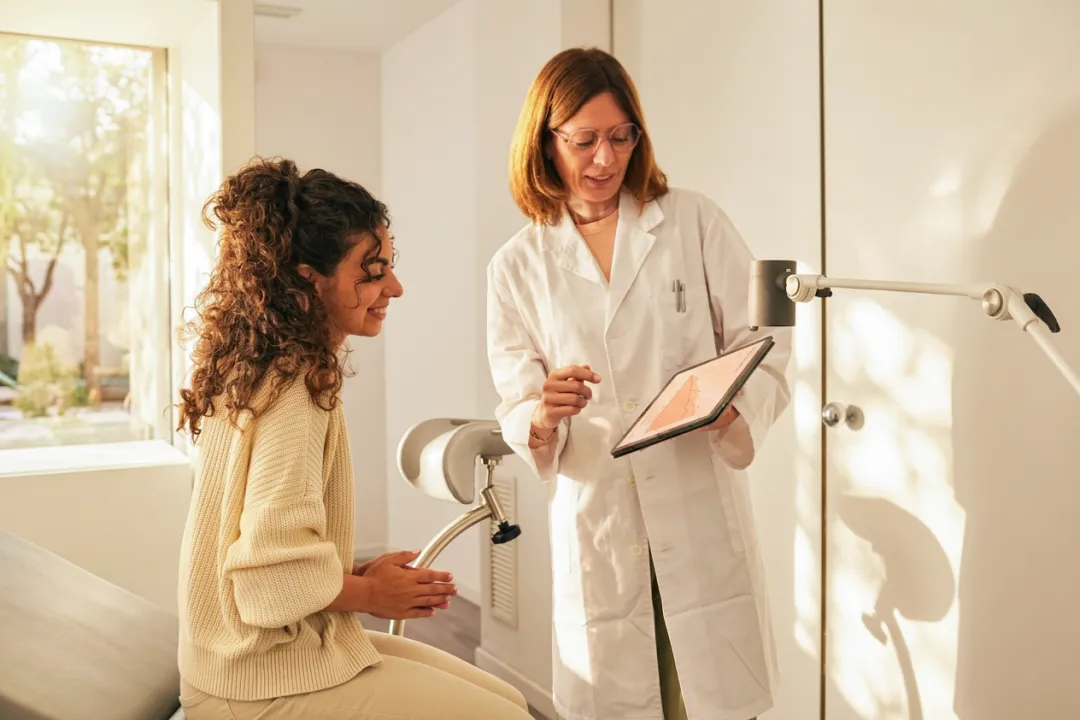
Get to know the fertility specialists who bring deep expertise to your care while taking time to understand your unique history, journey, and goals

Image placeholder

Inside our embryology labs

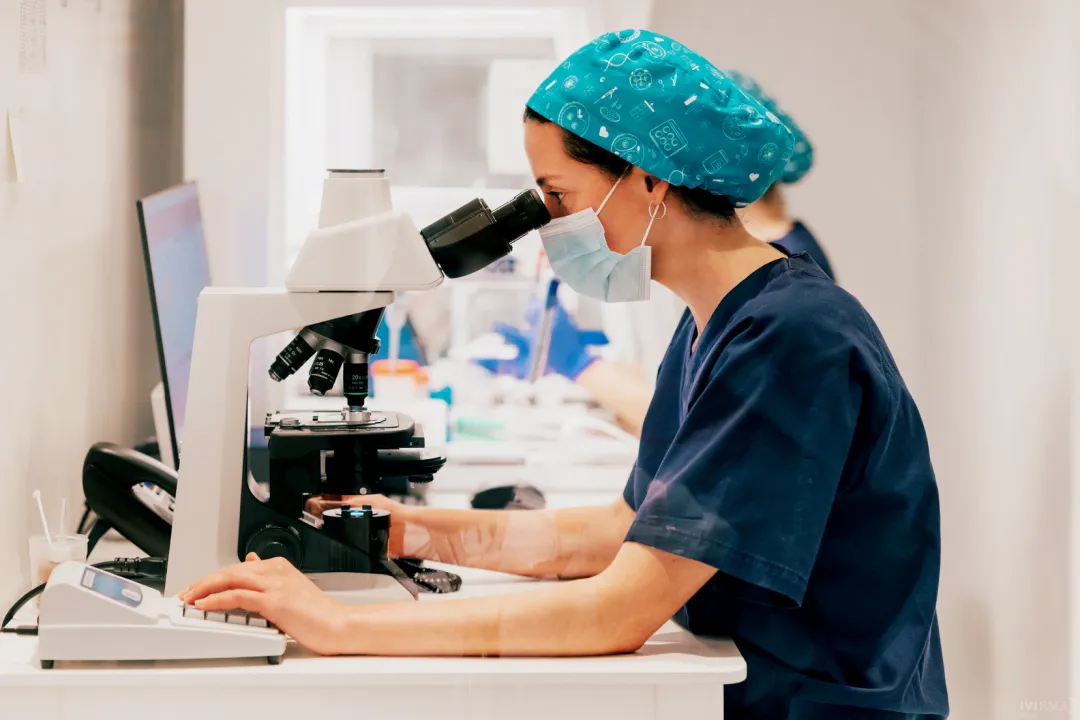
Much of IVF happens beyond the exam room. In our labs, experienced embryologists closely manage fertilization and embryo development

Learn more about fertility treatment

Frequently asked questions (FAQs)

How do I know if reproductive surgery is right for me?

Reproductive surgery may be recommended if your doctor identifies a condition that could affect your fertility or reproductive health. These procedures help treat conditions such as fibroids, endometriosis, scar tissue (adhesions), uterine polyps, or blocked fallopian tubes. In some cases, it can also help identify the cause of infertility or implantation failure. 

What's the difference between a laparoscopy and a hysteroscopy?

Both are minimally invasive procedures, but they allow your physician to examine different areas of your reproductive system.

A laparoscopy uses small incisions along your abdomen to examine the uterus, ovaries, and fallopian tubes. It can also be used to diagnose and treat conditions such as endometriosis, fibroids, scar tissue, and blocked fallopian tubes.

A hysteroscopy examines the inside of the uterus through the natural cervical opening without any abdominal incisions. It allows your physician to diagnose and treat conditions such as uterine polyps, fibroids, scar tissue, and certain uterine lining (endometrial) disorders.

What should I expect after reproductive surgery?

Recovery depends on the type of procedure you have, but most patients can return home the same day. Your care team will provide follow-up care instructions, suggest when you can return to normal activities, and when to call your doctor if you have concerns. 
 

When will I receive my results?

In many cases, your physician can discuss the findings from your procedure before you go home. If a biopsy or tissue sample is collected, the results are typically available after a lab examines the results. Your doctor will review the findings with you and discuss any recommended next steps. 

Ready to take the next step?