1

Choosing your donor eggs
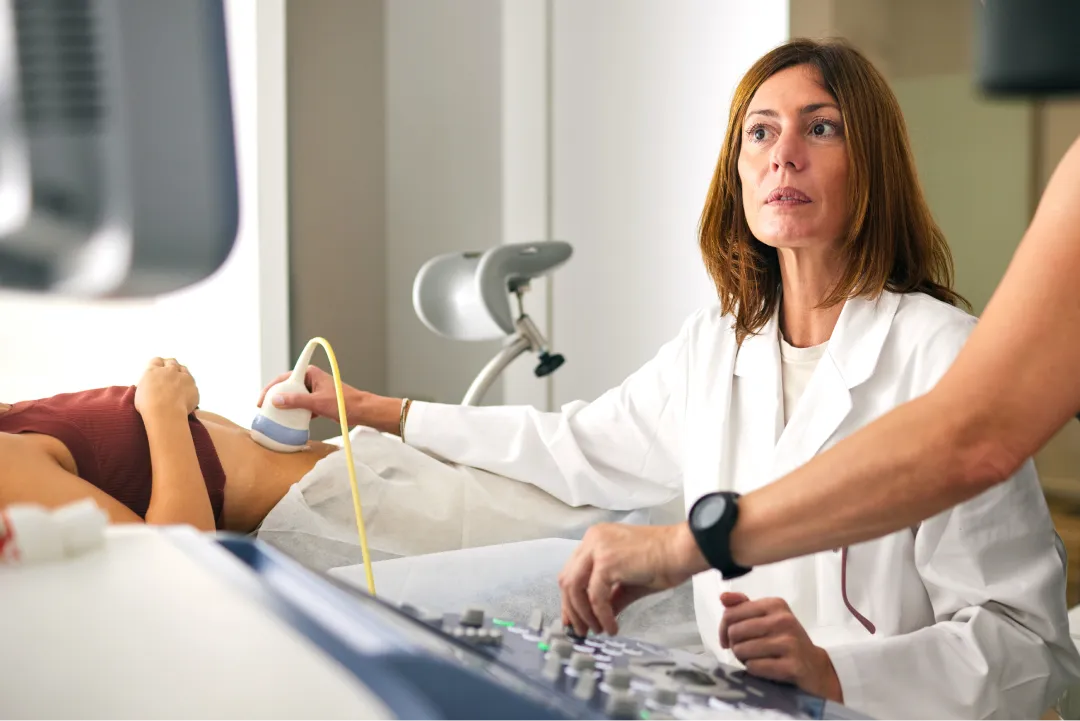
Using donor eggs adds a few unique steps to the IVF process. From choosing your donor to embryo transfer, your care team will guide you through each decision and help coordinate your treatment.










Donor egg IVF can open the door to parenthood when using your own eggs isn’t possible or a couple doesn’t have eggs. Our team provides expert care and personalized guidance to help you grow your family in a way that’s right for you.

Donor egg IVF is a form of in vitro fertilization (IVF) that uses eggs from a donor to create embryos. The donor eggs are fertilized with sperm from a partner or donor in our laboratory. After several days of development, an embryo is frozen and then eventually transferred to the uterus of the intended parent or a gestational carrier.

Donor egg IVF can help many individuals and couples build their families, including those with diminished ovarian reserve (DOR), infertility related to egg quality or ovarian function, or a low response to fertility medications.
It may also be recommended for people who have undergone cancer treatment, experienced multiple unsuccessful IVF cycles, or do not have ovaries, as well as couples where neither partner has ovaries, men in same-sex partnerships, and single dads by choice.

Choosing donor eggs is a deeply personal decision, and you do not have to navigate it alone. Our experienced team provides personalized guidance, advanced fertility care, and support to help you move forward with confidence.
Whether you are beginning to explore your options or are ready to start treatment, we are here to help you grow your family in a way that is right for you. Along the way, you will have access to resources that support your treatment plan.
Egg donors can be known or nonidentified to the intended parent(s). Egg donation is highly regulated, and fertility clinics or donor egg banks must follow FDA guidelines for tissue donation.
All potential egg donors undergo a reproductive health exam, medical history review, and psychological evaluation. The screening also includes tests for genetic conditions, sexually transmitted infections (STIs), and other diseases. Egg banks often have strict eligibility requirements for donors, including being 21 to 31 years old, having a BMI between 18 and 27, being a non-smoker and drug-free, having no presenting symptoms of psychological or medical conditions, and having at least a high school diploma or GED.

Using donor eggs adds a few unique steps to the IVF process. From choosing your donor to embryo transfer, your care team will guide you through each decision and help coordinate your treatment.
1
Using donor eggs adds a few unique steps to the IVF process. From choosing your donor to embryo transfer, your care team will guide you through each decision and help coordinate your treatment.
2
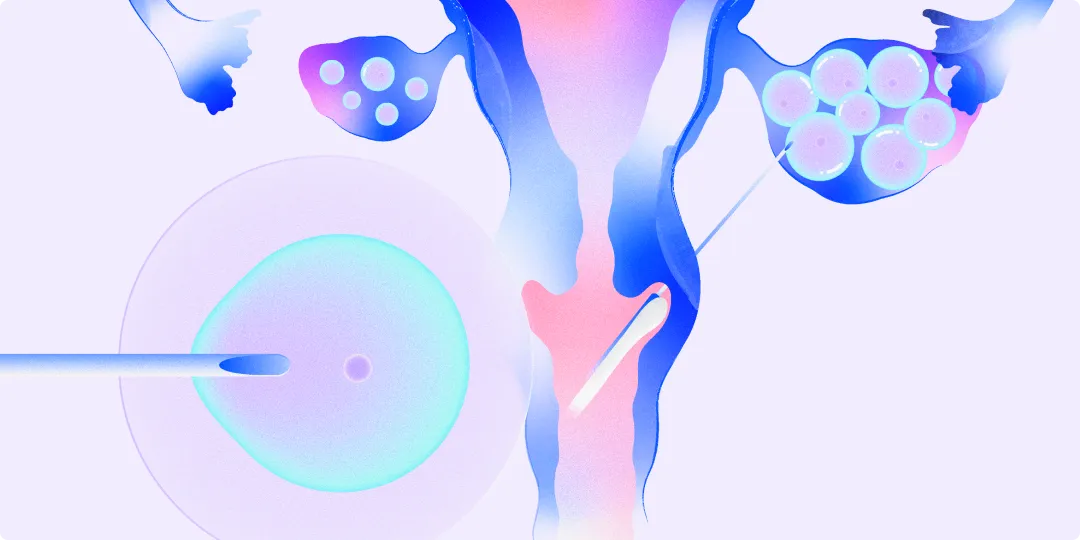
If you’re using fresh donor eggs, your donor will undergo ovarian stimulation and egg retrieval. If you choose frozen donor eggs, the eggs have already been retrieved and can be thawed when you’re ready to begin treatment.
3
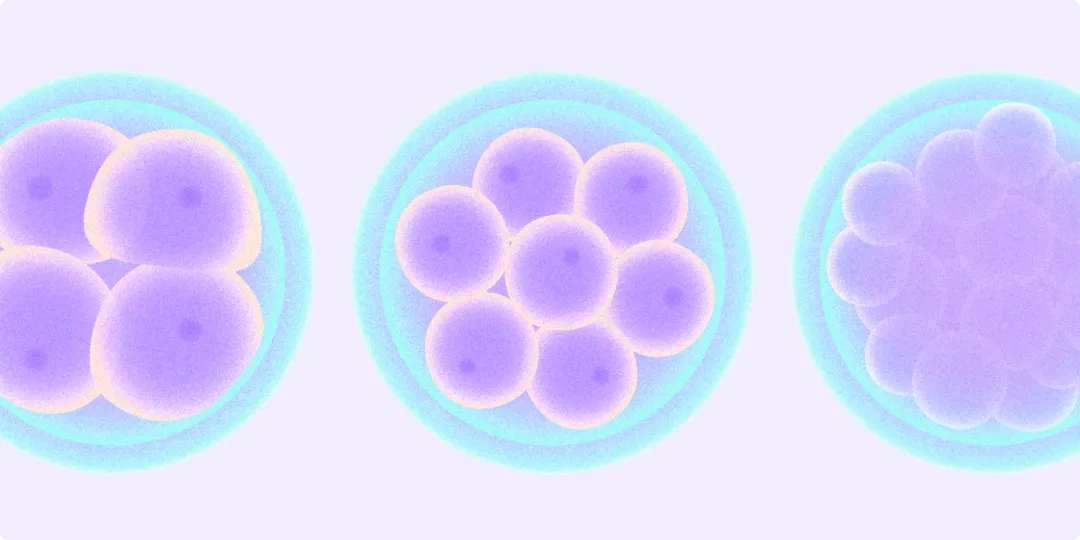
The donor eggs are fertilized with sperm from your partner or a donor in the embryology lab. The resulting embryos are carefully monitored as they develop over the next several days.
4
While your embryos develop, your care team will prepare and monitor the uterus of the intended parent or gestational carrier to help create the right conditions for transfer.
5
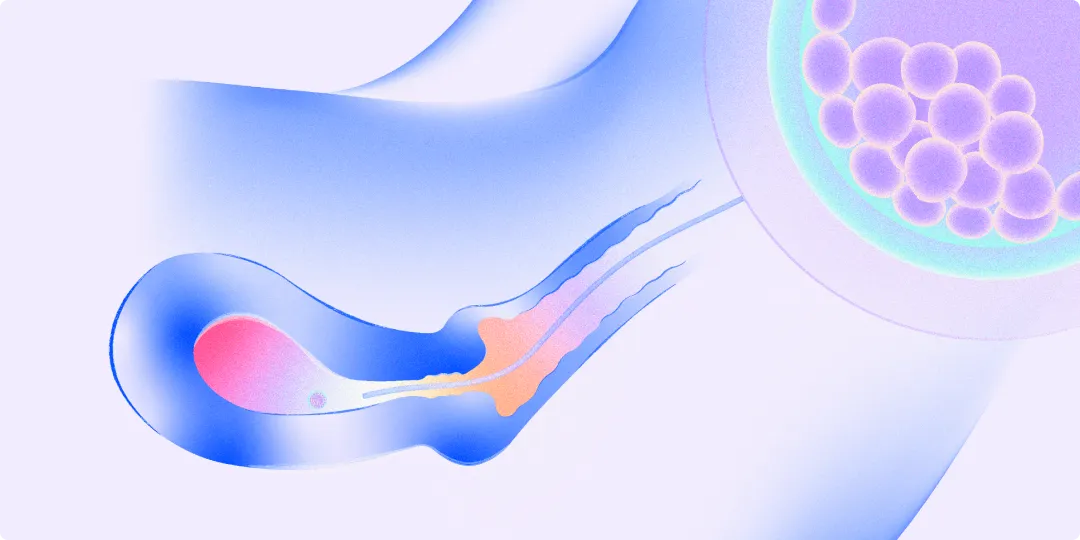
When the time is right, an embryo is transferred into the uterus of the intended parent or gestational carrier. Any remaining embryos may be frozen for potential future use.

My husband and I decided to go with donor eggs due to the miscarriages and being a terrible responder to IVF. Our first batch yielded no embryos, and we got a replacement lot. Our first transfer was a success, and our daughter was born in March!”
Jean & Chris

Get to know the fertility specialists who bring deep expertise to your care while taking time to understand your unique history, journey, and goals
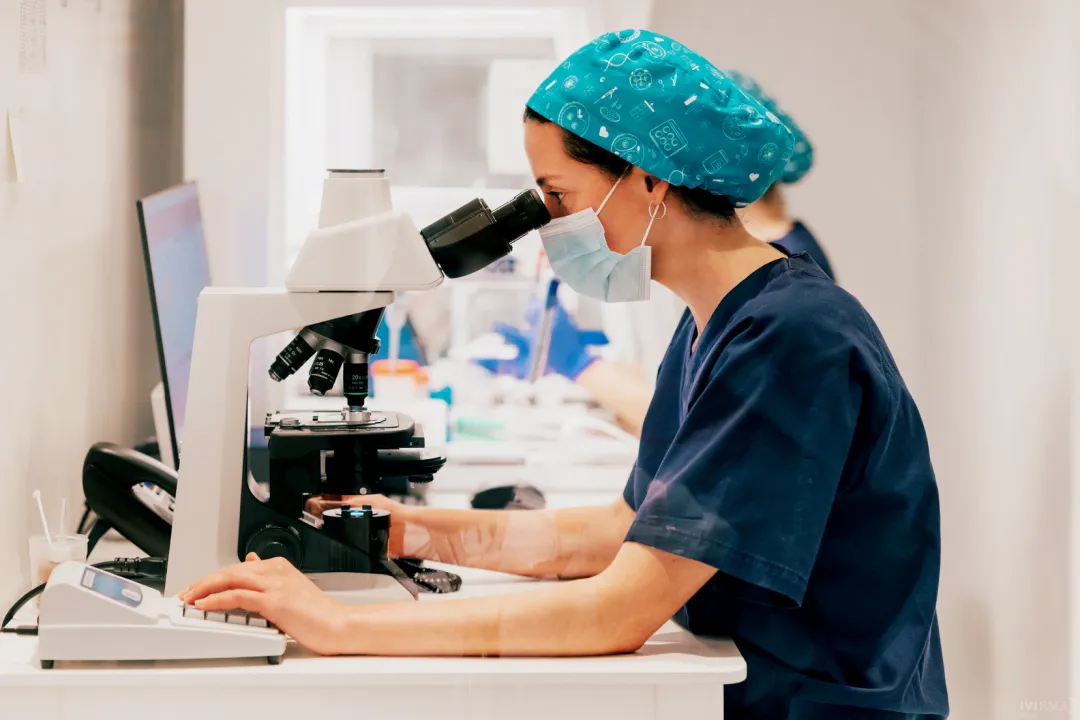
Much of IVF happens beyond the exam room. In our labs, experienced embryologists closely manage fertilization and embryo development

Pretium mattis augue fusce libero proin molestie interdum phasellus in. Vel vel suscipit dictum scelerisque pellentesque magna posuere natoque.
Paragraph description. Lorem ipsum dolor sit amet, consectetur adipiscing elit, sed do eiusmod tempor incididunt ut labore et dolore magna aliqua. Ut enim ad minim veniam, quis nostrud exercitation ullamco laboris nisi ut aliquip ex ea commodo consequat.

Paragraph description. Lorem ipsum dolor sit amet, consectetur adipiscing elit, sed do eiusmod tempor incididunt ut labore et dolore magna aliqua. Ut enim ad minim veniam, quis nostrud exercitation ullamco laboris nisi ut aliquip ex ea commodo consequat.
Explore trusted guidance from our fertility experts to better understand the egg donor process and feel more confident about your next step.

Both fresh and frozen donor eggs can be used successfully with IVF, and pregnancy rates are similar. The right option depends on your timeline, preferences, and treatment plan.
With fresh donor eggs, you choose a donor who undergoes ovarian stimulation and egg retrieval specifically for you. The retrieved eggs are fertilized immediately, and any resulting embryos can be transferred or frozen.
With frozen donor eggs, the eggs have already been retrieved, frozen, and stored in an egg bank. Once you select a donor, the eggs are thawed, fertilized with sperm, and used to create embryos. Because the eggs are already available, treatment can often begin sooner.
There isn't a single "best" option. Fresh donor eggs typically provide access to all of the eggs retrieved during one donation cycle, while frozen donor eggs are usually purchased in smaller lots from an egg bank. Your fertility specialist will discuss the advantages of each option and help you decide which is the best fit for your family-building goals.
Yes. Some intended parents choose a known donor, such as a friend or family member. Others select an unidentified donor through an egg bank, where they can review detailed donor profiles to find the option that's right for them. Your care team can help you understand both approaches and guide you through the selection process.