1
Getting screened
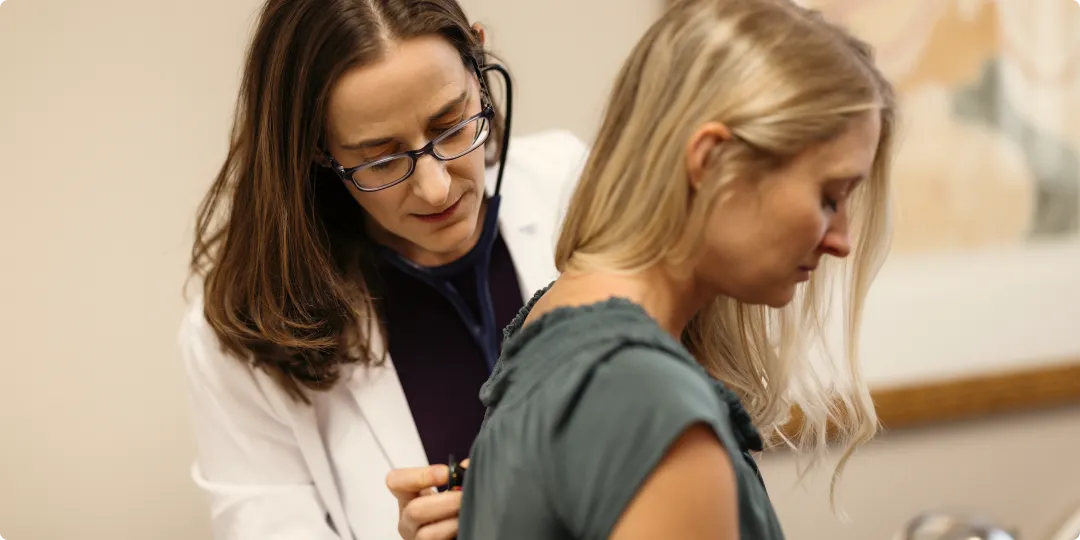
Before moving forward, recipients complete required health and infectious disease testing, along with a psychological evaluation to help prepare for the unique considerations of donor embryo family building.










Donor embryo IVF offers the opportunity to experience pregnancy and childbirth using an embryo generously donated by another individual or family. We’re here to help you explore this path with clarity, confidence, and personalized support.
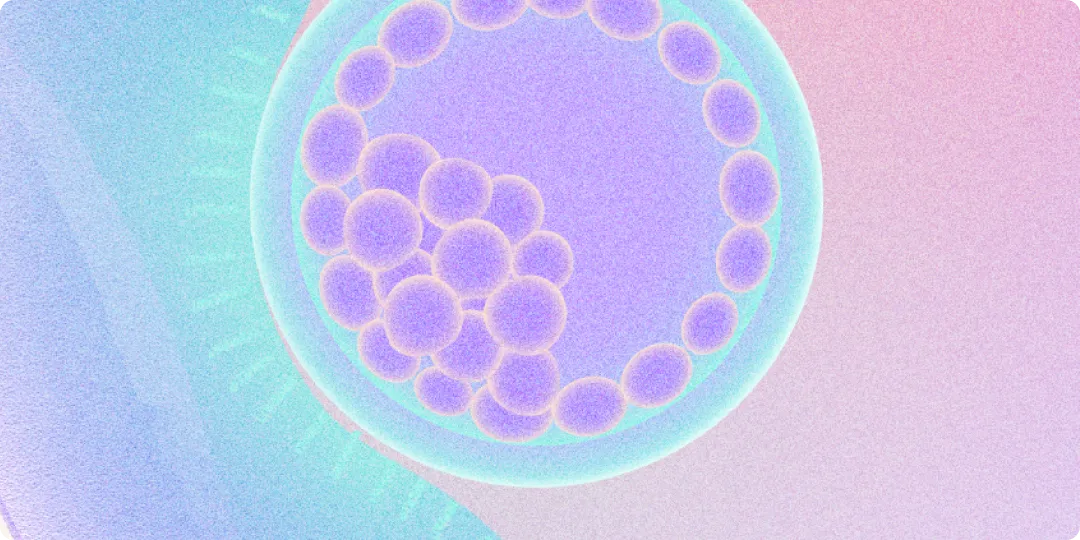
Donor embryo IVF uses embryos that were created during another individual or couple’s IVF treatment and later donated to help someone else build a family.
The embryos are already frozen, so the recipient does not need to undergo egg retrieval or embryo creation. Once you’re matched with donated embryos, your care team prepares your uterus for transfer, then thaws and transfers an embryo much like a frozen embryo transfer (FET).
Donor embryos may offer another path to pregnancy when previous fertility treatments haven’t been successful or using your own eggs or embryos isn’t possible or right for you.
They may be considered by people with diminished ovarian reserve or premature ovarian insufficiency, those who have experienced multiple unsuccessful IVF cycles or problems with embryo development, people without ovaries, or those concerned about passing on a genetic condition. Donor embryos may also be an option for some male and transgender individuals building a family with a gestational carrier.
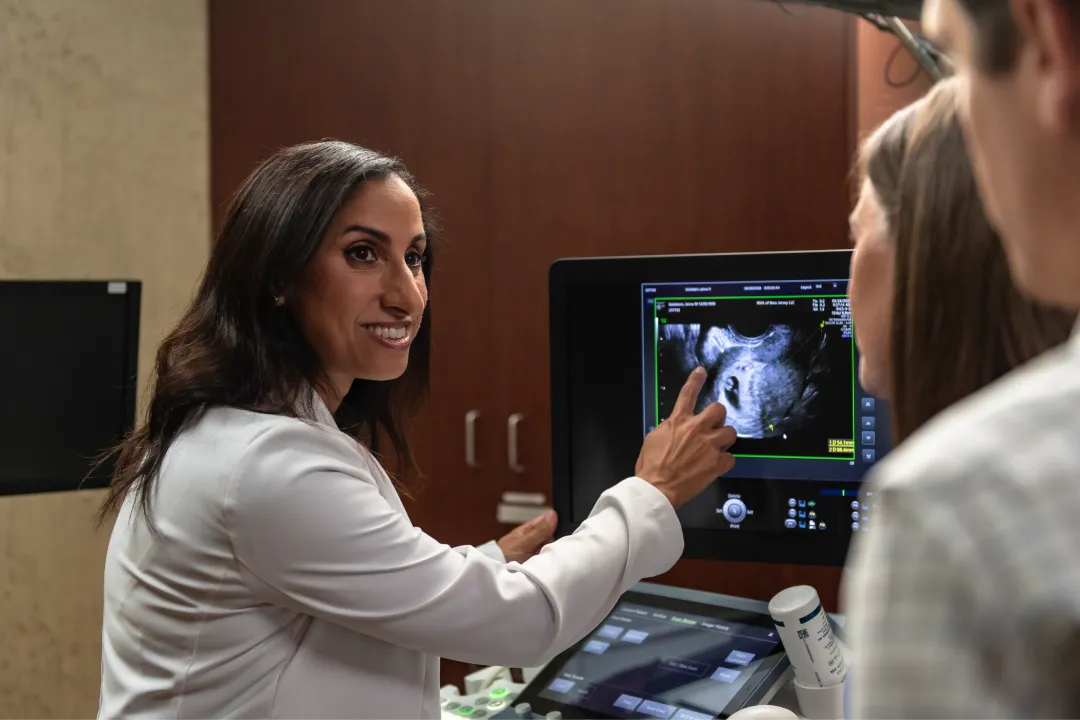
Using donor embryos involves a few important steps before treatment begins. Your care team will help coordinate the medical, screening, and matching process so you know what to expect along the way.
1
Before moving forward, recipients complete required health and infectious disease testing, along with a psychological evaluation to help prepare for the unique considerations of donor embryo family building.
2

Your donor embryo coordinator will help you review available donor information and navigate the matching process. Donors provide personal and family medical histories and complete required infectious disease and genetic screening.
3
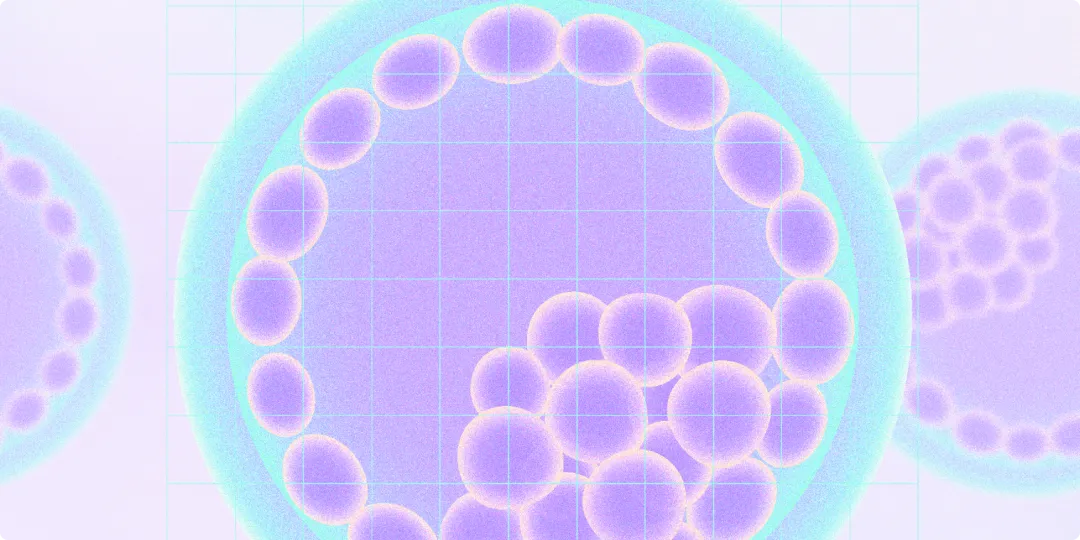
Once you’re matched, your care team creates your treatment calendar. Medications and monitoring are used to prepare the uterine lining and determine when you’re ready for transfer.
4
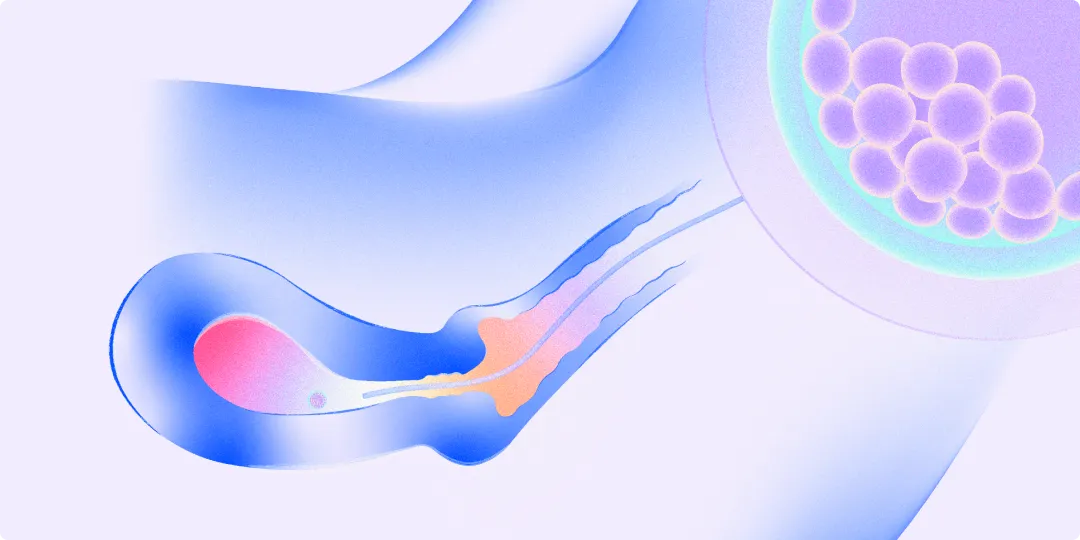
The donated embryo is carefully thawed and transferred into the prepared uterus, like a frozen embryo transfer (FET). Your care team will guide you through the next steps after the procedure.
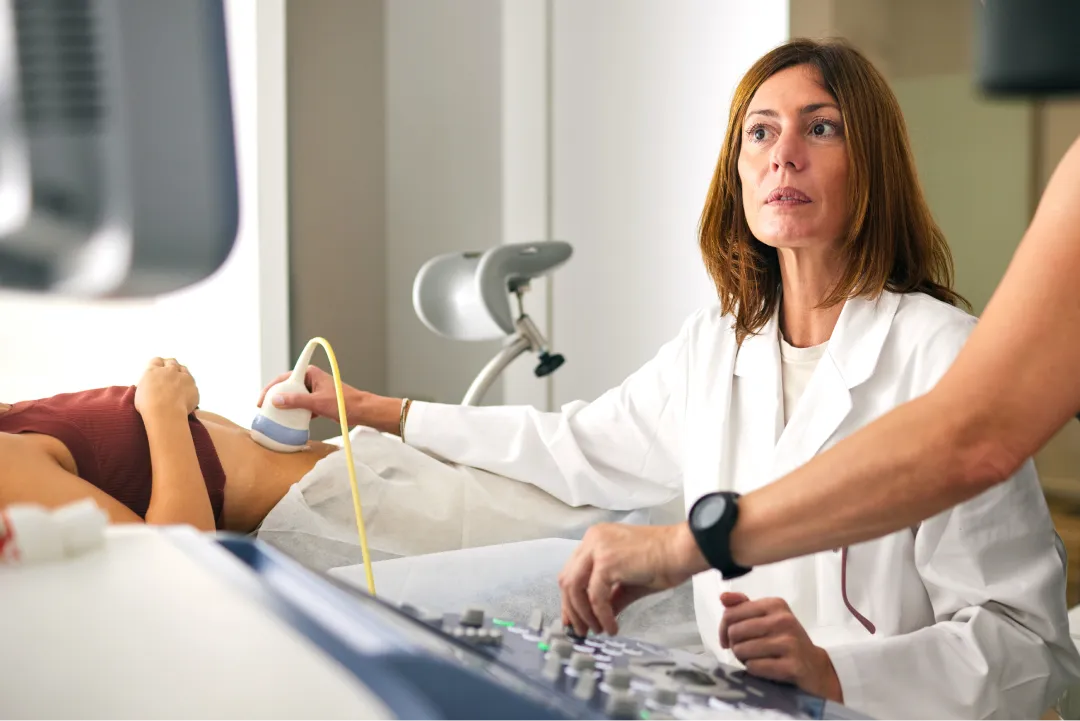
Get to know the doctors who bring deep fertility expertise to your care while taking time to understand your history and priorities
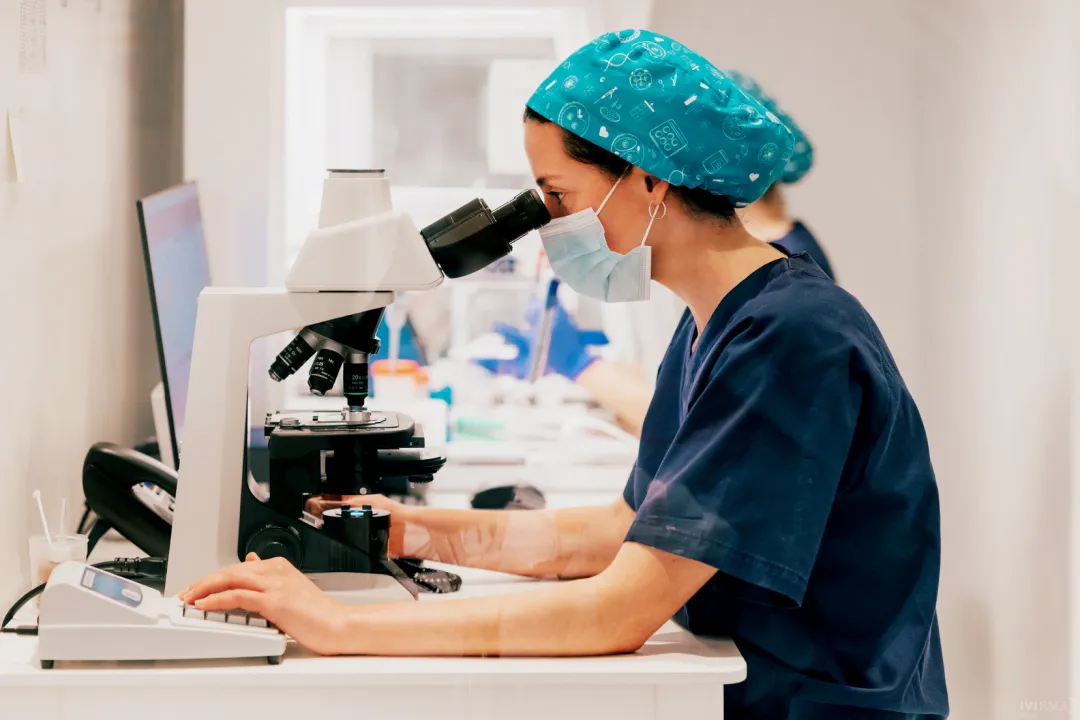
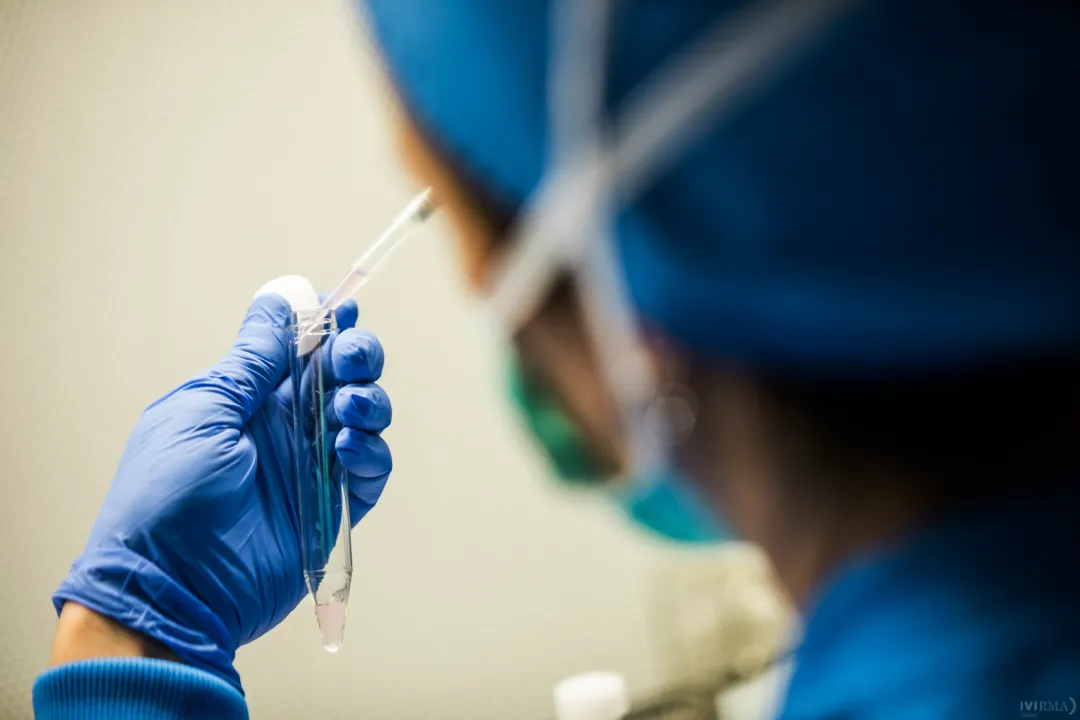
Much of IVF happens beyond the exam room. In our labs, experienced embryologists closely manage fertilization and embryo development
Paragraph description. Lorem ipsum dolor sit amet, consectetur adipiscing elit, sed do eiusmod tempor incididunt ut labore et dolore magna aliqua. Ut enim ad minim veniam, quis nostrud exercitation ullamco laboris nisi ut aliquip ex ea commodo consequat.
Paragraph description. Lorem ipsum dolor sit amet, consectetur adipiscing elit, sed do eiusmod tempor incididunt ut labore et dolore magna aliqua. Ut enim ad minim veniam, quis nostrud exercitation ullamco laboris nisi ut aliquip ex ea commodo consequat.