1

Getting to know you and your fertility
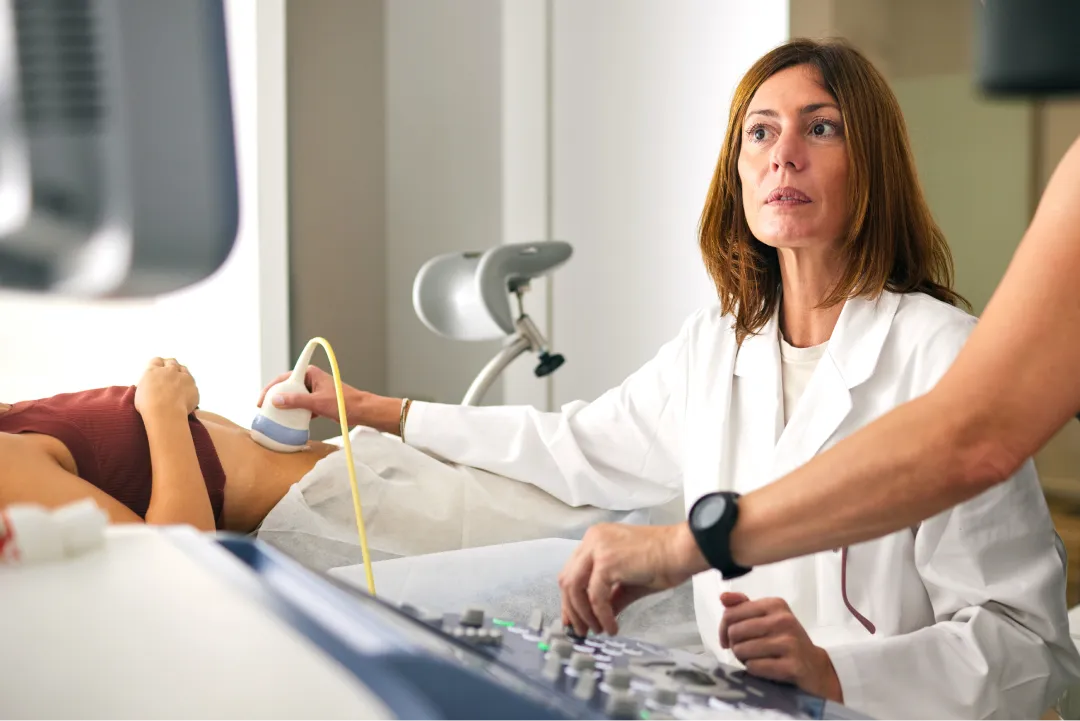
After discussing your goals and checking your ovarian reserve through bloodwork and ultrasound, your fertility specialist will help personalize your treatment plan.










You may know you want a family someday even if now isn’t the right time. Egg freezing may help preserve more options for your future, giving you greater flexibility to build your family when you’re ready.

Egg freezing, also called oocyte cryopreservation, preserves unfertilized eggs for potential future use. Eggs are retrieved from the ovaries and rapidly frozen using a process called vitrification, then stored until you’re ready to use them.
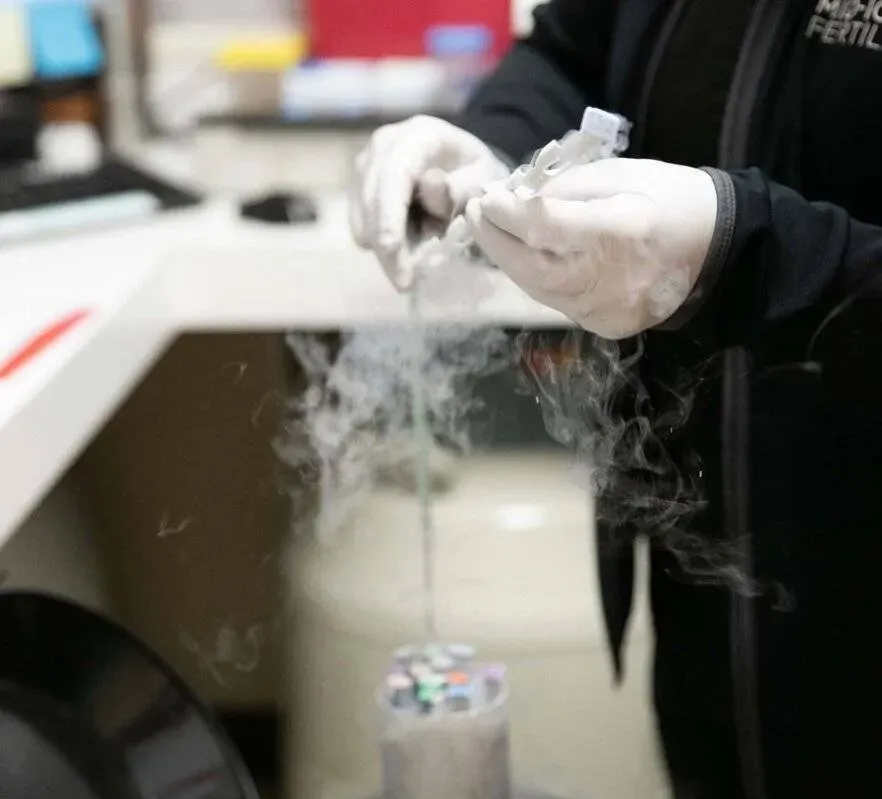
Both can preserve fertility, but the key difference is when fertilization happens. With egg freezing, your eggs remain unfertilized, so you don’t need to choose a sperm source now (partner or donor). When you’re ready, the eggs can be thawed and fertilized through IVF to create embryos.
With embryo freezing, eggs are fertilized with sperm before they’re frozen. This may be a good option if you already have a partner or donor and are comfortable creating embryos now.
Your fertility specialist can help you consider which approach gives you the flexibility that best fits your goals.

Egg freezing is a deeply personal decision that may provide more flexibility around when and how you build your family. You may consider it if you’re not ready for children, don’t have a partner or sperm source, or are preparing for medical or gender-affirming treatment that could affect fertility.
Because egg quantity and quality decline after 30, and significantly after 35, preserving eggs earlier may offer more options later. Egg freezing can’t guarantee pregnancy, but it may help protect future family-building choices.

A full egg freezing cycle typically takes less than a month, and your care team will guide you through each step.
1
After discussing your goals and checking your ovarian reserve through bloodwork and ultrasound, your fertility specialist will help personalize your treatment plan.
2

You’ll take fertility medication to encourage multiple eggs to mature during one cycle. Your care team will monitor their development with bloodwork and ultrasound along the way.
3

Once your eggs are mature, you’ll take a “trigger shot” which will allow your eggs to be retrieved during a procedure called vaginal ultrasound-guided egg retrieval. It's a typically brief, minimally invasive procedure performed under sedation.
4

Mature eggs are rapidly frozen using vitrification and stored for potential future use. When you’re ready to pursue pregnancy, the eggs can be thawed (warmed), evaluated for fertilization potential, fertilized with sperm through IVF, and used to create embryos.
I always wanted to be a mother but I wanted to make sure it was the right circumstance.”
Betsy

Get to know the doctors who bring deep fertility expertise to your care while taking time to understand your history and priorities

Much of IVF happens beyond the exam room. In our labs, experienced embryologists closely manage fertilization and embryo development
Explore trusted guidance from our fertility experts to better understand how egg freezing works and feel more confident about your next step.
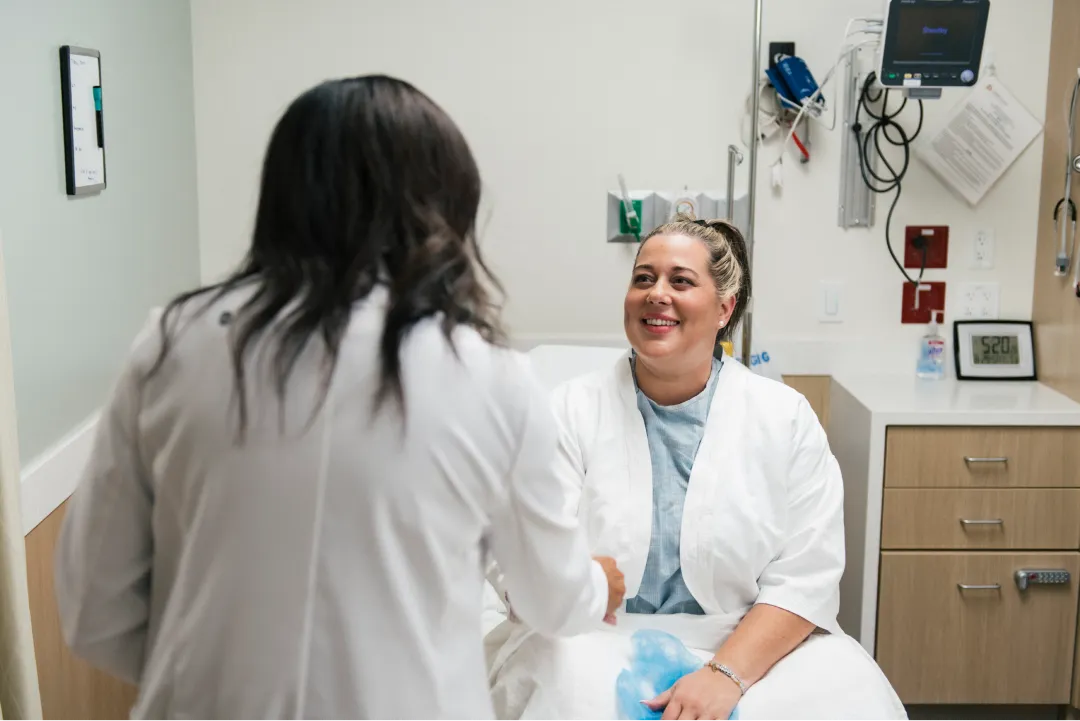
When you’re ready to pursue pregnancy, your eggs are thawed (warmed) and if they're successfully fertilized with sperm through IVF, they become embryos. An embryo can then be transferred to the uterus, while additional embryos may be frozen for future use.
There’s no limit on how long eggs can be frozen for, but if you decide you no longer want to use your frozen eggs to pursue pregnancy, you have options. Depending on your circumstances and the policies of your storage facility, you may be able to continue storing them, discard them, or potentially donate them for research or to help another person build their family. Your care team can explain the options available to you and help you decide what feels right.