1

Preparing for FET
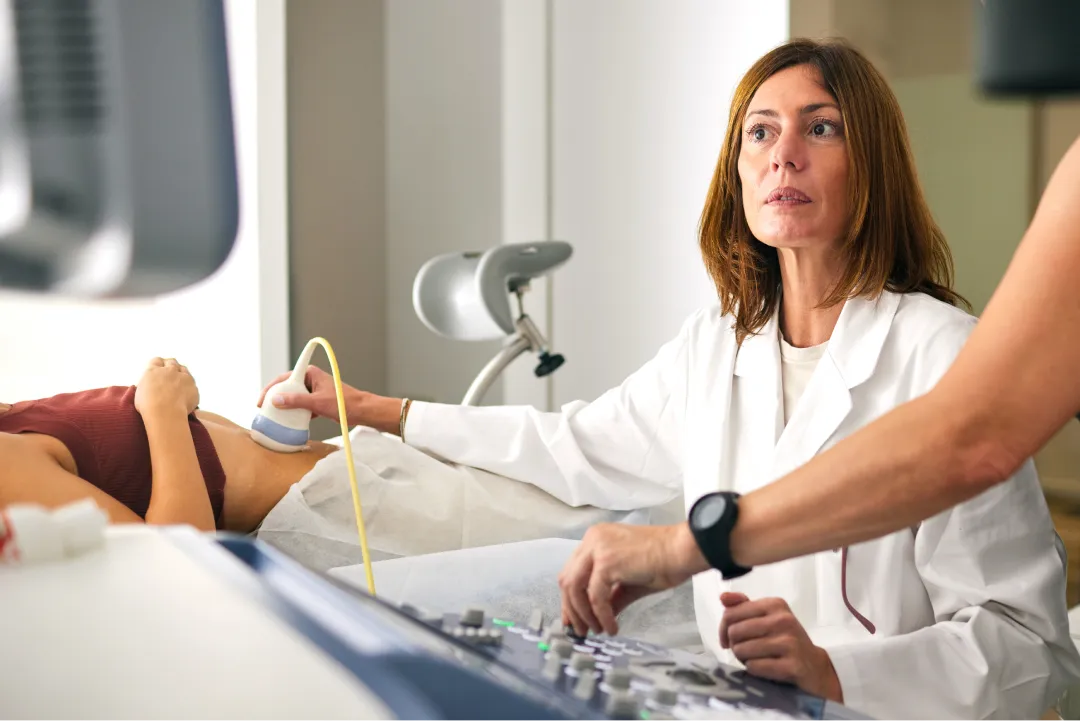
Your physician will monitor your cycle with blood tests and ultrasound to determine the ideal time for embryo transfer. Some patients also take hormone medications to prepare the uterine lining.









A frozen embryo transfer (FET) is an important step in many IVF journeys and is helpful in creating the ideal environment for implantation and a healthy pregnancy.

A frozen embryo transfer (FET) is a procedure in which an embryo created during a previous IVF or donor egg cycle is thawed and transferred into the uterus.
Rather than transferring an embryo immediately after egg retrieval, FET allows time for hormone levels to return to a more natural state and for the uterine lining to be optimally prepared for implantation. For many patients, this approach provides greater control over factors that can influence implantation and has become the standard of care in modern IVF.

Frozen embryo transfer is commonly recommended for patients who have frozen embryos available from a previous IVF or donor egg cycle. It is also used when embryos undergo preimplantation genetic testing (PGT), since the embryos are frozen while you wait for the results before they can be transferred into the uterus. Your physician may also recommend a FET to give your body and uterine lining time to be optimally prepared for implantation.
Your physician will work with you to determine the transfer approach that is best suited to your individual treatment plan.

Before your embryo transfer, your care team carefully prepares your uterus to help create the best possible conditions for implantation.
1
Your physician will monitor your cycle with blood tests and ultrasound to determine the ideal time for embryo transfer. Some patients also take hormone medications to prepare the uterine lining.
2
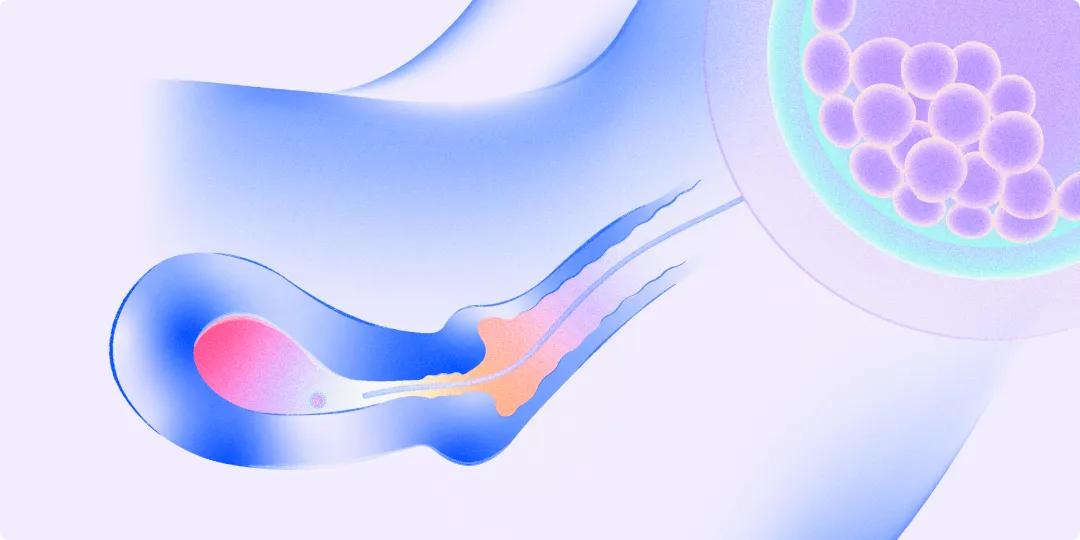
On the day of your procedure, your frozen embryo is carefully thawed and then transferred into the uterus using a thin, flexible catheter under ultrasound guidance. Frozen embryo transfer is a brief outpatient procedure that typically does not require sedation.
3

Most patients experience little to no discomfort and can return home shortly after the procedure. Your care team will provide guidance on any medications or activity recommendations and let you know when to return for your pregnancy test.

Don't get stuck on 'doing it the natural way.' There is nothing wrong with getting help to build your family.”
Erin & Devon

Get to know the fertility specialists who bring deep expertise to your care while taking time to understand your unique history, journey, and goals

Much of the IVF process happens beyond the exam room. In our labs, experienced embryologists carefully handle eggs, sperm, and embryos while closely monitoring embryo development at every stage.
Explore trusted guidance from our fertility experts to better understand the FET process and feel more informed and confident as you move forward with treatment.

Candidates for FET include those with previously frozen embryos, individuals who wish to delay pregnancy after an IVF cycle, patients who utilized preimplantation genetic testing (PGT) to screen their embryos prior to embryo transfer, and patients who may need additional time to optimize the uterine lining for implantation.
The FET process involves preparing the uterine lining using hormone medications or a more natural approach to help create the best possible environment for embryo implantation. When the timing is right, the embryo is carefully thawed and transferred into the uterus using a thin, flexible catheter under ultrasound guidance.
FET is generally considered safe, but there are some risks, including a small chance that an embryo may not survive the thawing process. Advances in embryo freezing and thawing techniques, particularly with modern vitrification methods, have made this increasingly uncommon.
No. A frozen embryo transfer is a brief outpatient procedure that typically does not require sedation or anesthesia. Most patients experience little to no discomfort and are able to return home shortly after the procedure.
Frozen embryo transfer is commonly used for embryos that undergo preimplantation genetic testing (PGT). Because genetic testing takes time to complete, embryos are frozen after biopsy while the results are processed and can then be transferred during an FET cycle