1
Creating and growing your embryos
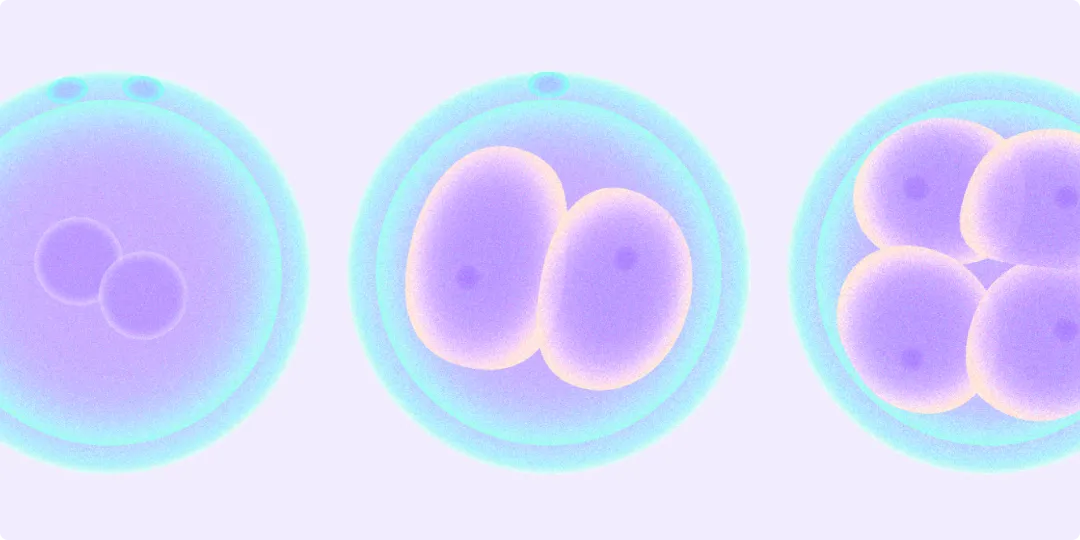
After your eggs are retrieved and fertilized through IVF, the resulting embryos are carefully monitored as they develop. Embryos that reach the blastocyst stage can be considered for testing.










When you’re going through IVF, preimplantation genetic testing (PGT) can give you and your care team more information about your embryos, helping you move forward with greater clarity and confidence.

PGT is performed on embryos created through IVF to look for certain chromosome or genetic differences before transfer.
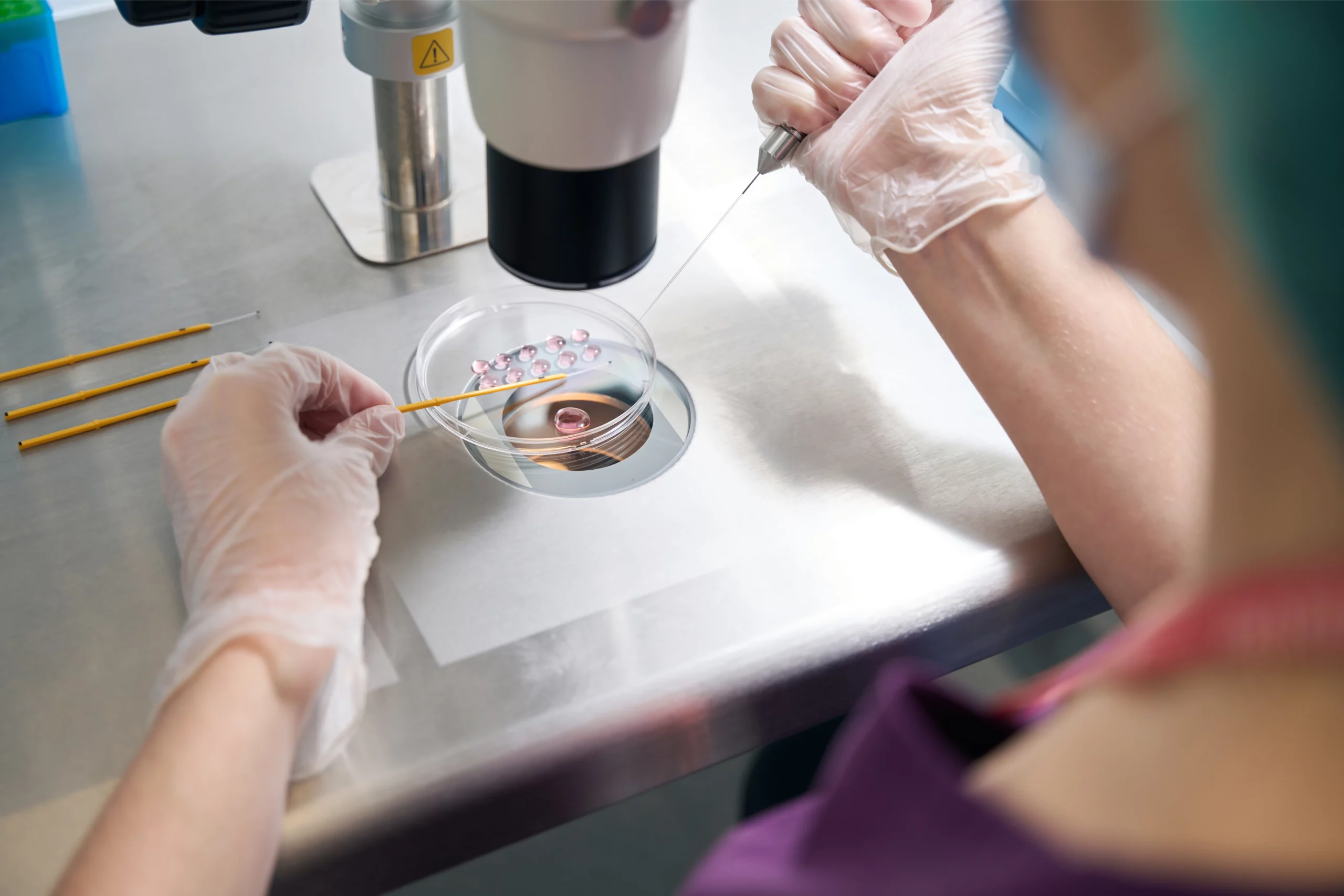
After an embryo develops to the blastocyst stage, a small number of cells are carefully biopsied from the area that will eventually form the placenta. Those cells are analyzed by a genetics laboratory, providing additional information that can help your care team determine which embryo to consider for transfer.
Different types of PGT provide different information about an embryo. Your fertility specialist will help determine which, if any, is appropriate for your family.
PGT-A checks whether an embryo has the expected number of chromosomes. It may be considered after recurrent miscarriage, unsuccessful IVF cycles, or when age may increase the chance of chromosome differences.
PGT-M checks for a specific inherited condition that you or your partner may be at risk of passing on to a child.
PGT-SR checks for chromosome differences when you or your partner has a known chromosome rearrangement that could affect an embryo.
PGT happens as part of an IVF cycle, where your fertility, embryology, and genetics teams work together to gather information about your embryos before one is considered for transfer.
1
After your eggs are retrieved and fertilized through IVF, the resulting embryos are carefully monitored as they develop. Embryos that reach the blastocyst stage can be considered for testing.
2

Around day five or six of development, an embryologist carefully removes a small number of cells from the part of the embryo that will eventually form the placenta. The embryo itself remains in the laboratory for preservation.
3

The biopsied cells are sent to a genetics laboratory for the type of PGT recommended in your treatment plan. Testing may look for chromosome number differences, a specific single-gene condition, or structural chromosome rearrangements.
4
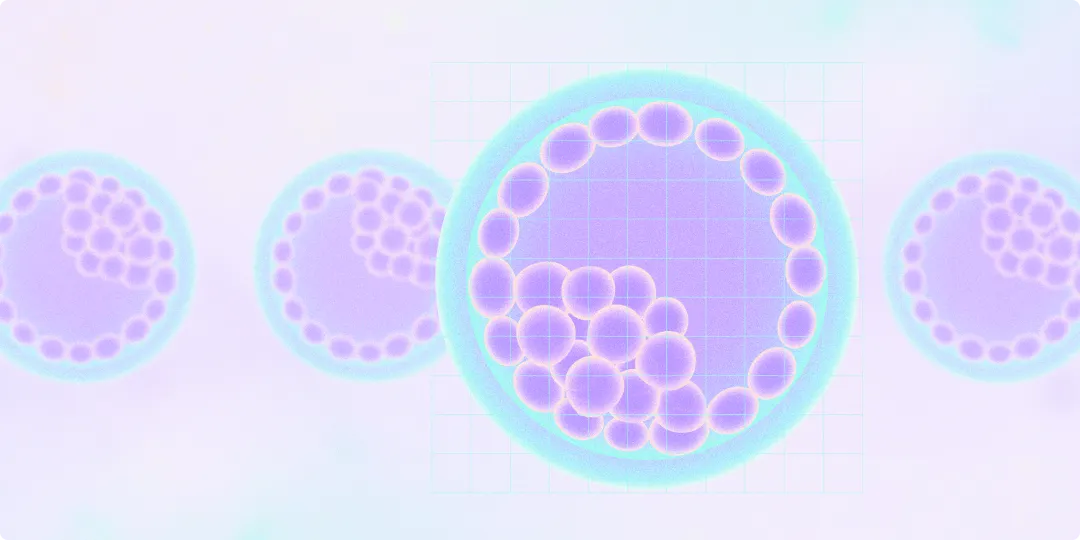
Once results are available, your fertility specialist will explain what they mean and how they may guide embryo selection. Together, you’ll determine the next step in your treatment plan.

Helping other people build their families is the most meaningful thing I could ever do for them.
Dr. Firstname Lastname, MD
Clinic location

Get to know the fertility specialists who bring deep expertise to your care while taking time to understand your unique history, journey, and goals

Much of IVF happens beyond the exam room. In our labs, experienced embryologists closely manage fertilization and embryo development
Pretium mattis augue fusce libero proin molestie interdum phasellus in. Vel vel suscipit dictum scelerisque pellentesque magna posuere natoque.
Explore trusted guidance from our fertility experts to better understand genetic testing with confidence.

PGT may be considered for many reasons. Your doctor may discuss testing if you’ve experienced recurrent miscarriage or unsuccessful IVF cycles, have age-related chromosome concerns, or you or your partner have a known genetic condition or chromosome rearrangement. Your specialist can help you understand what information PGT may—and may not—provide in your situation.
PGT-A looks broadly at the number of chromosomes in an embryo to identify detectable extra or missing chromosomes. PGT-M is much more targeted: it looks for a specific single-gene condition that a family is known to be at risk of passing on.
PGT provides valuable genetic or chromosome information, but it cannot guarantee implantation, pregnancy, or the birth of a healthy baby. Your physician will consider the results alongside other factors when recommending an embryo for transfer.
Embryo biopsy is a well-established laboratory procedure. A small number of cells are taken from the trophectoderm—the part of the blastocyst that will eventually form the placenta—rather than the part that develops into the fetus. Your embryology team carefully performs the biopsy before the cells are sent for testing.
PGT-M can test embryos for many known single-gene disorders when a family has an identified genetic risk. Because this testing is specific to the condition and family, your care team and genetics laboratory will determine whether testing can be developed for your situation.
Your fertility specialist will review the results with you and explain what they can tell you about each tested embryo. That information can then help guide which embryo is considered for transfer as you move forward with IVF.