1

Preparing the eggs and sperm
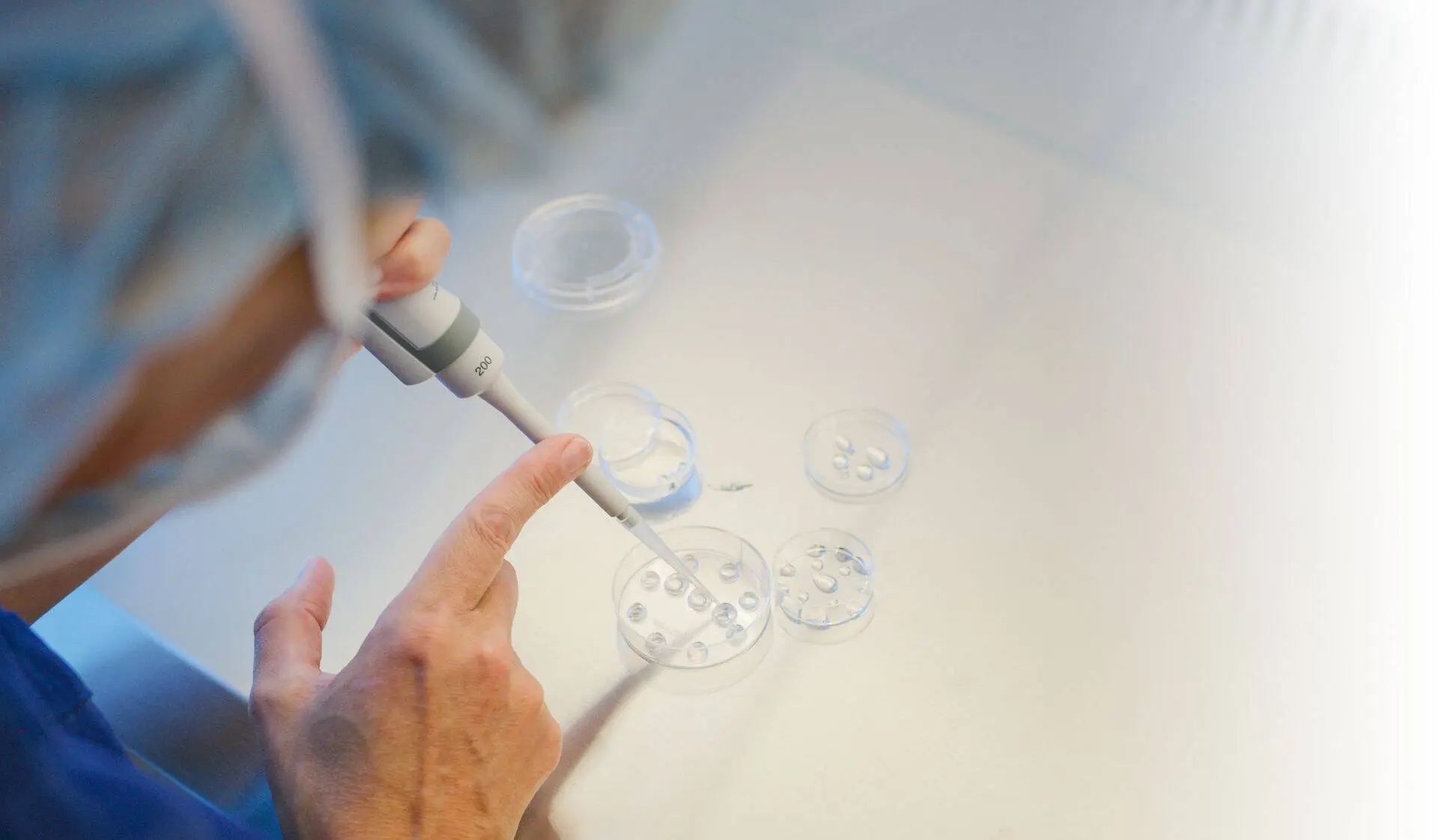
After eggs are retrieved as part of your IVF cycle, they are prepared in the laboratory. A sperm sample is also evaluated so the embryology team can identify sperm for the ICSI procedure.










Sometimes sperm need a little help reaching the egg. Intracytoplasmic sperm injection (ICSI) is an IVF technique that places a single sperm directly into an egg, creating another opportunity for fertilization.

Intracytoplasmic sperm injection (ICSI) is an advanced fertilization technique performed in the embryology lab as part of IVF. Instead of placing eggs and sperm together and allowing fertilization to happen on its own, an embryologist carefully selects a single sperm and injects it directly into a mature egg. The eggs are then monitored to see whether fertilization occurs and embryos begin to develop.
Your fertility specialist may recommend ICSI when sperm may have difficulty fertilizing an egg on their own. This can include a low sperm count, poor sperm movement (motility), abnormal sperm shape, or previous IVF cycles where fertilization did not occur as expected.
ICSI may also be considered when using frozen or surgically retrieved sperm or as part of certain treatment plans involving genetic testing. Your care team will determine whether ICSI or conventional insemination is the best approach for you.

While much of ICSI happens behind the scenes, every step is carefully managed by your embryology team. From preparing the sperm and eggs to monitoring fertilization, the goal is to give each mature egg the best opportunity to develop into an embryo.
1
After eggs are retrieved as part of your IVF cycle, they are prepared in the laboratory. A sperm sample is also evaluated so the embryology team can identify sperm for the ICSI procedure.
2

Using a microscope and specialized tools, an embryologist selects a single sperm and carefully injects it directly into a mature egg.
3

After ICSI, the eggs are carefully monitored in the laboratory to see whether fertilization occurs. Fertilized eggs can then continue developing into embryos as part of the IVF process.

Dr. Wright suggested my husband freeze several samples, have several tests to see if she could determine the cause and start me on the process toward an IVF cycle with ICSI. A biological child for us was still possible!”
Kristen & Nathan

Get to know the doctors who bring deep fertility expertise to your care while taking time to understand your history and priorities

Much of IVF happens beyond the exam room. In our labs, experienced embryologists closely manage fertilization and embryo development
Explore trusted guidance from our fertility experts to better understand IVF with ICSI and feel more confident about your next step.

No. ICSI is particularly helpful when there are concerns about sperm count, movement, shape, or the ability to fertilize an egg. Conventional insemination may be appropriate when sperm parameters are normal. Your fertility team will recommend the approach that best fits your diagnosis and treatment history.
No. ICSI helps sperm reach the inside of the egg, but it cannot guarantee fertilization or that an embryo will develop. After ICSI, your embryology team monitors each injected egg to see whether fertilization occurs and development continues.