
Understanding single embryo transfer

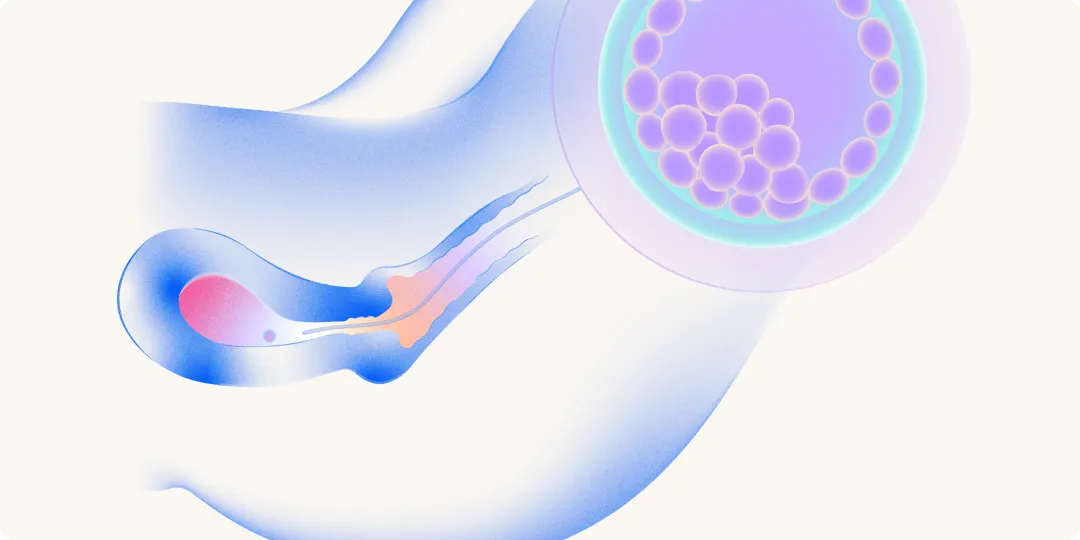
A single embryo transfer (SET) involves transferring one carefully selected embryo into the uterus, significantly reducing the chance of twins or higher-order multiples and the pregnancy-related risks associated with them.

Image placeholder

What is a single embryo transfer?

Single embryo transfer (SET) is an IVF approach in which one embryo is carefully selected and transferred into the uterus, even when multiple embryos are available.

The goal is to achieve a healthy pregnancy and baby while reducing the risks associated with carrying twins or higher-order multiples. When combined with frozen embryo transfer (FET) and, when appropriate, preimplantation genetic testing for aneuploidy (PGT-A), SET can help guide embryo selection while avoiding the additional risks associated with transferring multiple embryos. 

Image placeholder

Could SET be right for me?

ET may be recommended when there is a good chance of achieving a pregnancy with a single embryo. Your physician will consider factors such as your age, previous IVF and pregnancy history, the number and quality of embryos available, and whether your embryos have undergone PGT-A.

The decision of how many embryos to transfer is individualized to each patient. Your fertility specialist and embryology team will review your results with you and recommend an approach that balances the likelihood of a successful pregnancy with the goal of minimizing the risks associated with a multiple pregnancy.

Image placeholder

Understanding the SET process

SET is one part of the IVF process, where your fertility and embryology teams work together to carefully select an embryo for transfer into the uterus.

1

Image placeholder

Preparing for SET

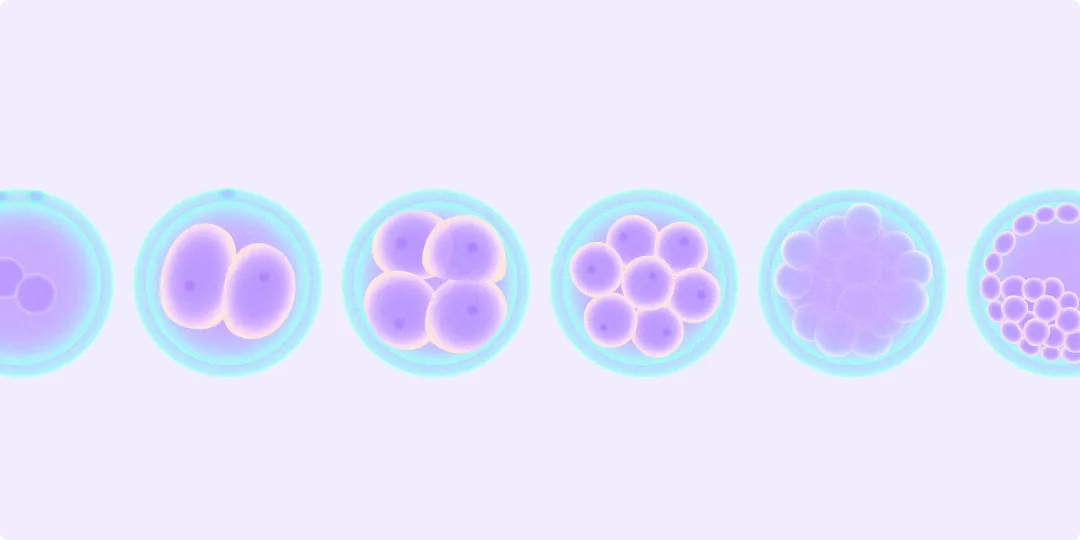
Your care team reviews your treatment history and available embryos to develop a personalized transfer plan. Your physician and embryology team evaluate embryo development and quality, along with PGT-A results when available, to help guide which embryo is selected for transfer.

2

Image placeholder

Transferring your embryo

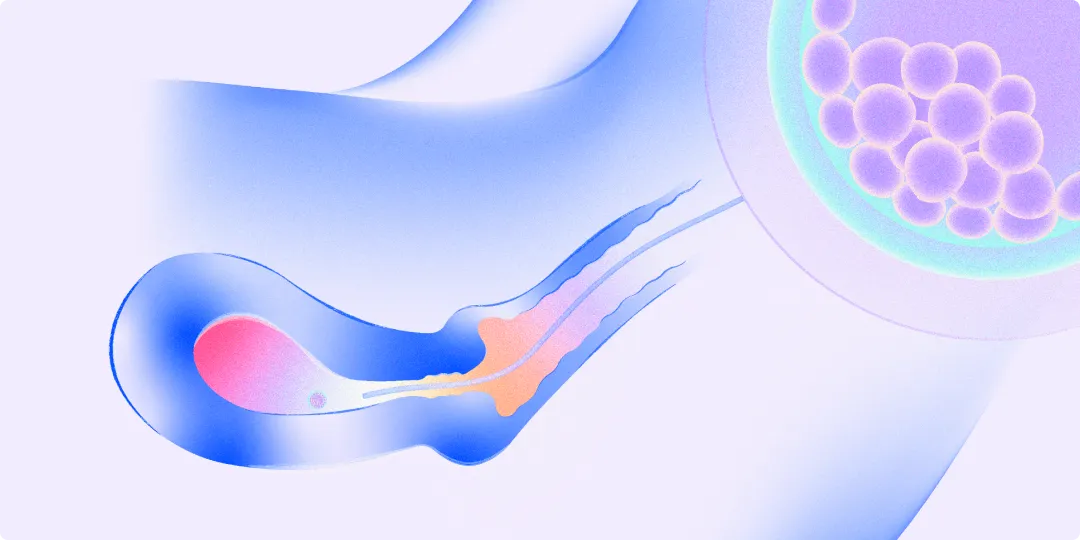
One selected embryo is carefully transferred into the uterus during your embryo transfer procedure. Any additional embryos can remain safely frozen for potential use in the future.

3

Image placeholder

Moving forward after SET

After your transfer, your care team will guide you through what comes next including medication and activity recommendations, and when to return for your pregnancy test. If you have additional frozen embryos, they can remain preserved for a future transfer if needed or if you are ready to grow your family again.

Your care team, from clinic to lab

Image placeholder

The doctors at the heart of your care

Get to know the fertility specialists who bring deep expertise to your care while taking time to understand your unique history, journey, and goals

Image placeholder

Inside our embryology labs

Much of IVF happens beyond the exam room. In our labs, experienced embryologists closely manage fertilization and embryo development

Learn more about fertility treatment

Frequently asked questions (FAQs)

Why is transferring one embryo often recommended?

The primary reason is safety. Transferring more than one embryo increases the chance of twins or higher-order multiples, which are associated with a higher risk of preterm birth and other pregnancy complications. SET aims to achieve a healthy pregnancy while minimizing the risks associated with carrying multiples.

How is the embryo selected for transfer?

Your embryology team evaluates your available embryos based on factors such as their development, appearance, and overall quality. If PGT-A has been performed, those results can also help guide embryo selection.

What happens to my other embryos if only one is transferred?

Any additional embryos that are suitable for freezing can remain cryopreserved for future use. They may be used for another embryo transfer if pregnancy does not occur or if you hope to grow your family in the future.

Can single embryo transfer still result in twins?

Yes, although it is uncommon. Occasionally, a single transferred embryo can split and develop into identical twins. Overall, SET reduces the chance of a multiple pregnancy compared with transferring more than one embryo.

What are the risks of transferring more than one embryo?

Transferring multiple embryos increases the chance of twins, triplets, or higher-order multiples. Multiple pregnancies carry greater risks for both the pregnant patient and the babies, including preterm birth and complications that may require specialized care or admission to the neonatal intensive care unit (NICU). SET reduces the risk of a multiple pregnancy while maintaining the goal of achieving a healthy pregnancy and baby.

Ready to take the next step?