

Understanding intrauterine insemination (IUI)

IUI is a minimally invasive treatment to help optimize the timing of fertilization. For many individuals and couples, it may be an effective first step toward pregnancy.

Image placeholder

What is intrauterine insemination?

IUI is a minimally invasive fertility treatment that is designed to give sperm a helpful head start. Sperm that has been specially prepared is placed directly into the uterus around the time of ovulation, which may shorten the journey to the egg and improve the opportunity for fertilization. 

Image placeholder

Could IUI be right for me?

IUI may be recommended for individuals or couples experiencing unexplained infertility, mild male-factor infertility, ovulation disorders, or those using donor sperm. Because it's minimally invasive, IUI is often one of the first fertility treatments your physician may recommend.

After a comprehensive fertility evaluation, your specialist will determine whether IUI is an appropriate next step based on your diagnosis, fertility goals, and treatment history. 

Image placeholder

Understanding the IUI process

IUI works by carefully timing insemination with ovulation to help sperm reach the egg at the right time. Throughout the process, your care team will monitor your cycle and guide you every step of the way.

1

Image placeholder

Preparing for ovulation

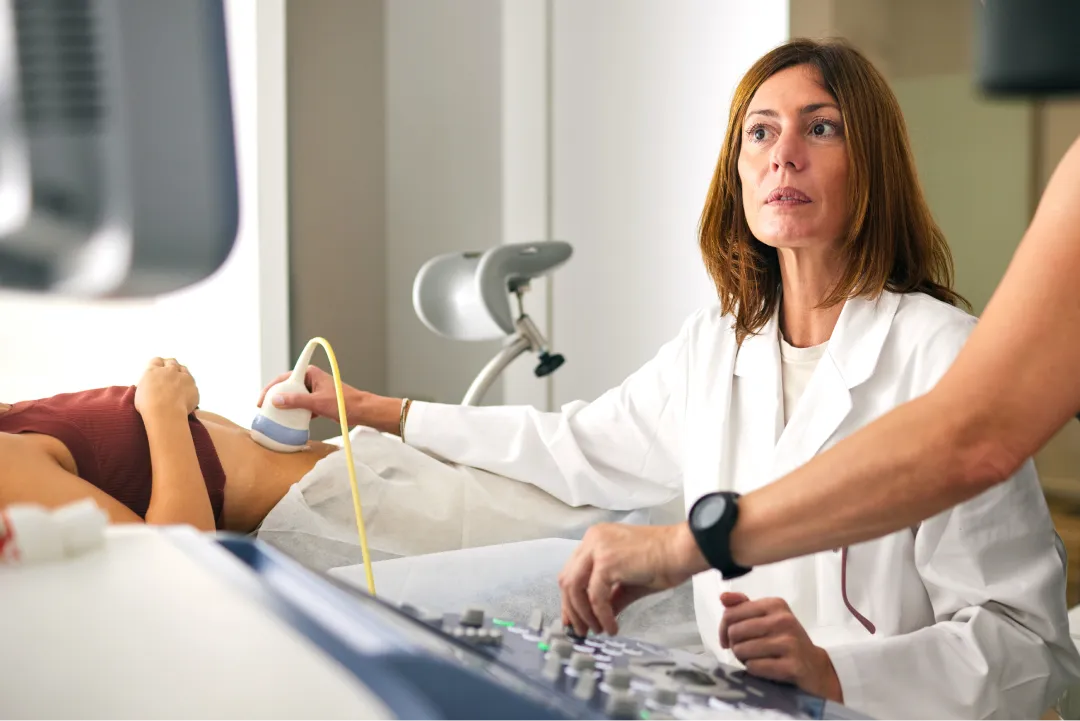
Your physician may monitor your cycle with bloodwork and ultrasound to determine when ovulation is approaching. Depending on your individual treatment plan, you may also take fertility medications or receive a trigger shot to help optimize the timing.


2

Image placeholder

Preparing the sperm sample

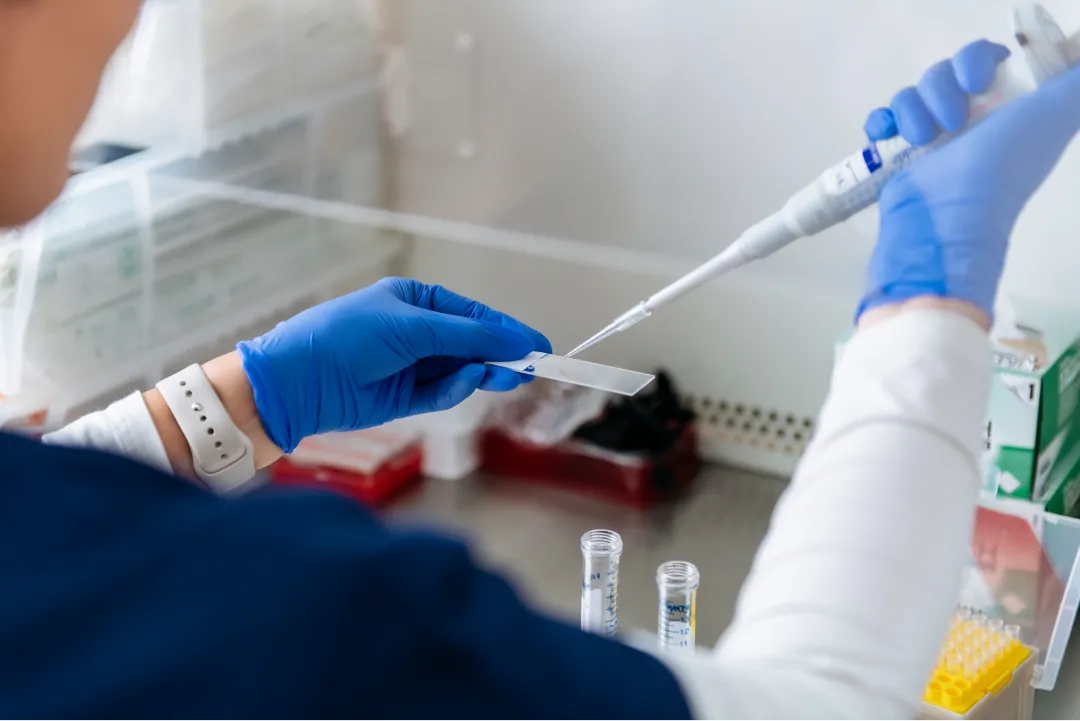
On the day of your procedure, a fresh or frozen sperm sample is collected and prepared in the laboratory. The sample is processed to concentrate sperm with good movement for insemination.

3

Image placeholder

Inseminating the uterus

Using a thin catheter, your care team places the prepared sperm directly into the uterus. The procedure typically takes just a few minutes and is performed in the office. Anesthesia is generally not needed.

Your care team, from clinic to lab

Image placeholder

The doctors at the heart of your care

Get to know the fertility specialists who bring deep expertise to your care while taking time to understand your unique history, journey, and goals

Image placeholder

Inside our embryology labs

Much of IVF happens beyond the exam room. In our labs, experienced embryologists closely manage fertilization and embryo development

What’s the difference between IUI and IVF?

How do ovulation induction and IUI work together?

Learn more about fertility treatment

Frequently asked questions (FAQs)

What should I know before starting IUI?

IUI is a simple fertility treatment, but like natural conception, pregnancy may take more than one cycle. Before treatment, your care team will determine if IUI is an appropriate option based on factors such as your fertility evaluation and sperm quality.

To help identify the best time for insemination, your care team may monitor your cycle with bloodwork and ultrasound leading up to ovulation. In some cases, a trigger shot is used to help time ovulation and the IUI procedure. 

What can I expect during the IUI procedure?

IUI is a quick outpatient procedure that typically takes about 20 minutes and does not require anesthesia.

On the day of treatment, a fresh or frozen sperm sample is prepared in the laboratory to concentrate the sperm with good movement. Your physician then places the prepared sperm directly into the uterus using a thin catheter, helping shorten the distance the sperm needs to travel to reach the egg.

Why would my doctor recommend IUI instead of IVF?

For many patients, IUI is a less invasive treatment that may be recommended before IVF. It may be an option for unexplained infertility, treatment using donor sperm, or certain situations involving sperm-related factors.

Depending on your diagnosis and insurance coverage, your physician may recommend trying IUI before moving on to more advanced fertility treatments. 

Ready to take the next step?