Understanding ovulation induction

Ovulation induction refers to treatment to help you develop and release an egg. It may be one of the first fertility treatments a patient experiences. For some patients, helping the body ovulate may be an important step toward pregnancy.

Image placeholder

What is ovulation?

Ovulation is the moment in your menstrual cycle when a mature egg is released from the ovary after which pregnancy becomes possible. Because the egg is available for fertilization for only a short time, timing matters. If you don’t ovulate regularly—or at all—it can make getting pregnant more challenging, but treatments may help. 

Image placeholder

What is ovulation induction?

Ovulation induction is a fertility treatment that helps stimulate ovulation by encouraging the growth and then release of one or more mature eggs in a timed fashion. This treatment may increase the chances of pregnancy through timed intercourse or intrauterine insemination (IUI).

For many patients, it can be one of the first fertility treatments recommended to help improve the chances of pregnancy. 

Image placeholder

Could ovulation induction be right for me?

Ovulation induction may be a good option if you're experiencing irregular cycles or absent ovulation, have PMOS (formerly known as PCOS) or a hormonal disorder, or if you've been trying to conceive without success. Depending on your diagnosis, your fertility specialist may recommend one or more medications, including:

Clomiphene citrate (Clomid®): An oral medication that encourages the ovaries to develop and release a mature egg. It's often used for ovulation induction and ovarian stimulation for unexplained infertility.  

Letrozole (Femara®): An oral medication commonly used to stimulate ovulation, particularly for patients with polyendocrine metabolic ovarian syndrome (PMOS, formerly known as PCOS) or for ovarian stimulation for unexplained infertility.  

Gonadotropins: Injectable fertility medications that directly stimulate the ovaries and may be recommended when oral medications haven't been successful.  

hCG trigger shot: An injection that helps release a mature egg once it's ready, allowing your care team to precisely time intercourse or IUI.

Your fertility specialist will recommend the right treatment and best timing based on your individual treatment plan and cycle. 

Image placeholder

Understanding the ovulation induction process

Ovulation induction helps stimulate egg development so you can time intercourse or IUI during your most fertile window. Throughout treatment, your care team will closely monitor your progress and guide you every step of the way.

1

Image placeholder

Timing your treatment

Treatment begins early in your menstrual cycle, so if you have irregular periods, your physician may prescribe medication to induce one before starting ovulation induction. You'll then begin the fertility medication that's been recommended for your personalized treatment plan.

2

Image placeholder

Monitoring egg development

As your follicles develop, you'll return for bloodwork and ultrasound appointments so your care team can monitor your response and determine when your eggs are ready for ovulation.

3

Image placeholder

Triggering ovulation

When a mature follicle has developed, you may receive a trigger shot to help release a mature egg. Your physician will carefully time this step to maximize your chances of pregnancy.

4

Image placeholder

Timing your fertile window

Your care team will recommend the ideal time for intercourse or intrauterine insemination (IUI) based on your ovulation timing, giving sperm the best opportunity to fertilize the egg.

Your care team, from clinic to lab

Image placeholder

The doctors at the heart of your care

Get to know the fertility specialists who bring deep expertise to your care while taking time to understand your unique history, journey, and goals

Image placeholder

Inside our embryology labs

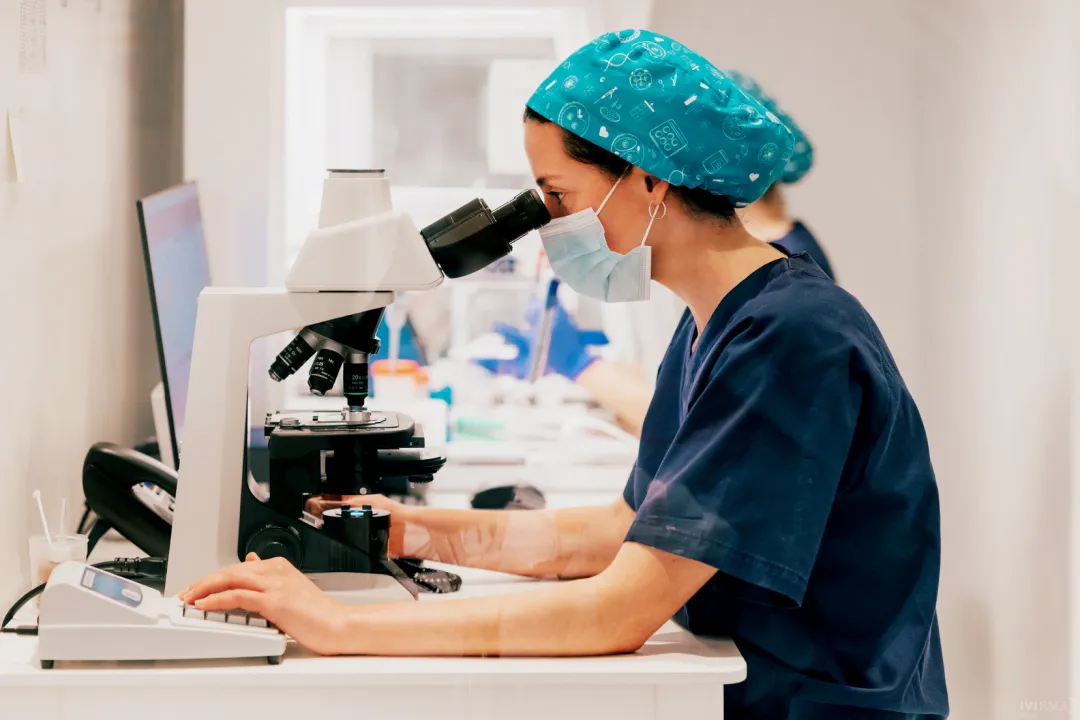
Much of IVF happens beyond the exam room. In our labs, experienced embryologists closely manage fertilization and embryo development

Learn more about fertility treatment

Frequently asked questions (FAQs)

What can I expect during an ovulation induction cycle?

Ovulation induction begins at the start of your menstrual cycle. If you don't get regular periods, your physician may prescribe medication to induce one before treatment begins.

You'll take your prescribed fertility medication early in your cycle, then return for bloodwork and ultrasound monitoring so your care team can track follicle development. Once a mature follicle is ready, you'll receive instructions for a trigger shot (if needed) and the best timing for intercourse or intrauterine insemination (IUI).

How long does an ovulation induction cycle take?

An ovulation induction cycle typically takes place over the course of one menstrual cycle. Treatment begins early in your cycle with fertility medication, followed by bloodwork and ultrasound monitoring to track follicle development.

Once your eggs are ready, your physician will recommend the ideal timing for intercourse or intrauterine insemination (IUI). Every patient's timeline is unique, and your care team will guide you through each step. 

What happens if I don't ovulate during treatment?

Not every patient responds to fertility medications in the same way. If ovulation doesn't occur as expected, your fertility specialist may adjust your medication, dosage, or treatment plan in a future cycle. Throughout treatment, your care team closely monitors your response and works with you to determine the right approach. 

Ready to take the next step?