Guides
Your guide to IUI: From period to first procedure











Guides
1

Your period marks the beginning of a new menstrual cycle. Let your fertility team know when full flow begins, as this is typically considered cycle day 1. Your team will tell you when to schedule your first monitoring appointment.
2

You’ll come in for bloodwork and often a transvaginal ultrasound to check your hormone levels, ovaries, and uterine lining. This helps your doctor determine whether you’re ready to start medications for the cycle.
3

Depending on your diagnosis, ovulation patterns, and treatment plan, your doctor may prescribe letrozole, Clomid (clomiphene), or injectable fertility medications to help one or more follicles grow. Your medication and dose are personalized to you.
4

You’ll return for ultrasound and bloodwork to track follicle growth and hormone levels on cycle day 10, or sooner if you tend to have shorter cycles. Your team is looking for an appropriately developed follicle and signs that ovulation is approaching. You may need a few monitoring visits before you’re ready for the next step.
5
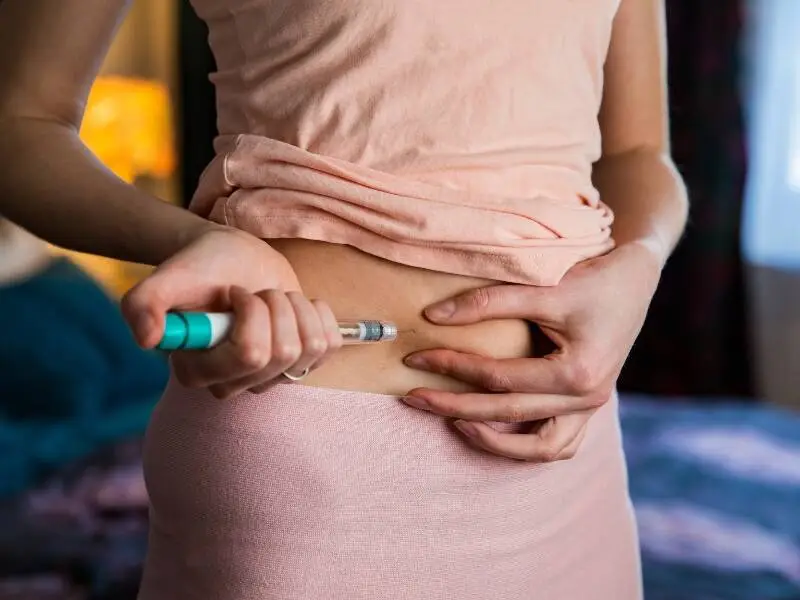
When the timing is right, your doctor may prescribe an Ovidrel trigger shot to help the final maturation of the egg and coordinate ovulation. Follow your team’s exact instructions for when to take it—timing matters! Your IUI is typically scheduled around 24–36 hours later, depending on your protocol.
6

The sperm source depends on your treatment plan. Your partner may provide a fresh sample on IUI day, or your team may thaw a frozen partner or donor sperm sample. Your team will give you specific instructions about collection, timing, and sample delivery.
7
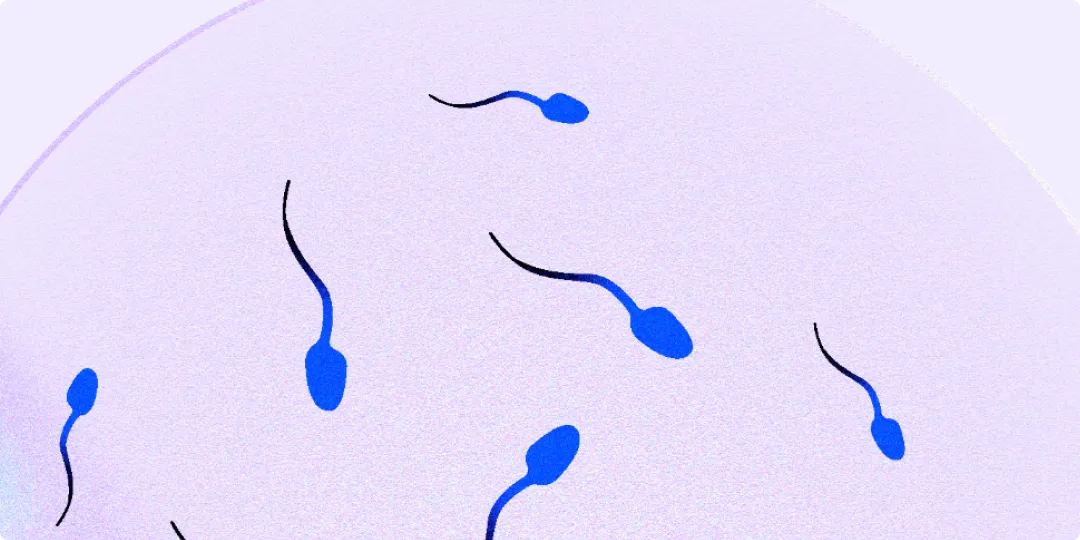
The lab processes the sample to separate motile sperm from seminal fluid and other components, concentrating the sperm used for insemination. This preparation helps your team place the processed sample into the uterus.
8
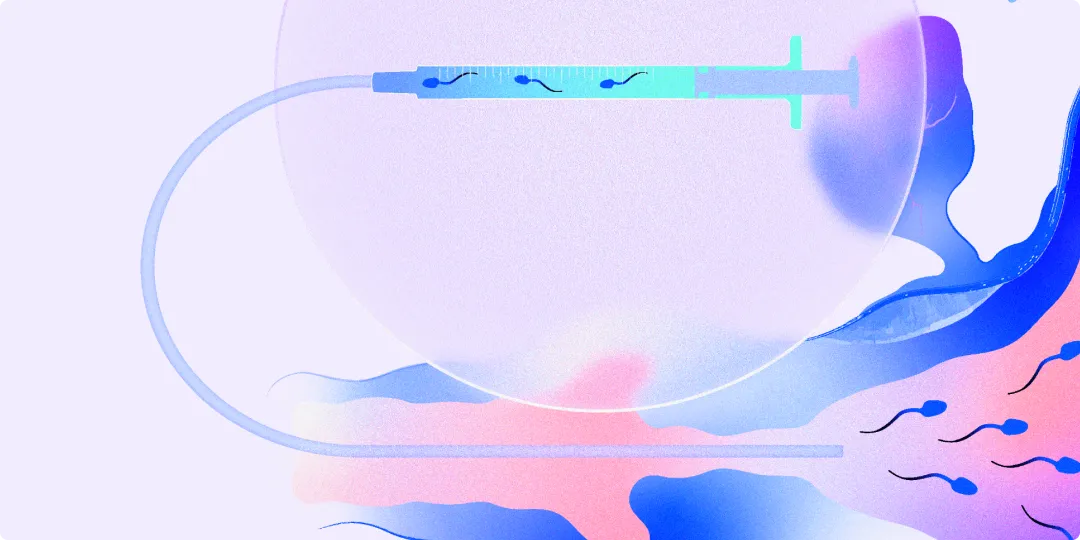
You’ll lie back while your clinician gently passes a thin, flexible catheter through your cervix and places the prepared sperm into your uterus. It often feels similar to a Pap smear, with mild cramping or discomfort for some patients. The procedure usually takes just a few minutes, and most people can return to their usual activities afterward.
#hgij
Once your IUI is complete, you enter the waiting period before your pregnancy test. Follow your team’s instructions for testing, particularly if you used an Ovidrel trigger, since it can cause a false-positive pregnancy test if you test too early.
#roxg
Every IUI cycle is a little different. The number of monitoring visits, medications, and exact timing will depend on your individual treatment plan. Monitoring goals and trigger timing vary by protocol. Some clinics use ultrasound findings and protocol-specific criteria, while others also monitor the LH surge and time insemination accordingly.
At Everleap, we monitor your ultrasound findings and bloodwork closely to time your IUI procedure.
#iboc
Most patients find an intrauterine insemination (IUI) relatively painless. The procedure involves placing a thin, flexible catheter through the cervix to deposit washed sperm directly into the uterus. You may experience mild cramping or spotting, but the procedure typically takes only a few minutes.
Most IUI cycles take about 2–3 weeks from the start of your period to your pregnancy test. You will typically start with cycle monitoring, take fertility medications if prescribed, return for ultrasound and bloodwork monitoring, and schedule your insemination around ovulation. Your exact timeline depends on how your follicles develop.
Not always! Some patients undergo IUI during a natural cycle, while others take medications such as letrozole, clomiphene (Clomid), or injectable gonadotropins to help develop one or more follicles. We will recommend an approach based on your diagnosis, age, ovarian reserve, and treatment history.
Your fertility specialist may recommend intercourse in the days leading up to ovulation or after your IUI, depending on your treatment plan and sperm parameters. The goal is to ensure sperm are available around at the time the egg is released. Follow your team's specific instructions, especially if you are using a trigger shot or have been advised to abstain before providing a sperm sample.
Yes! Most patients can return to their normal daily activities, including work, immediately after an IUI. Gentle exercise and your usual routine are generally fine. If you are taking injectable medications or developing multiple follicles, your doctor may recommend modifying high-impact exercise or strenuous activity based on your individual risk.
Yes, but timing matters! We recommend testing about 14 days after your IUI. Testing too early can lead to misleading results, particularly if you received an hCG trigger shot such as Ovidrel, which can cause a false-positive pregnancy test for a period of time. We will schedule a blood pregnancy test to confirm the result.
You may experience mild cramping, bloating, breast tenderness, fatigue, or light spotting. These symptoms can occur because of ovulation, fertility medications, progesterone, or early pregnancy. Unfortunately, symptoms alone cannot tell you whether an IUI worked. Try not to interpret every symptom as a sign either way.
This depends on your age, diagnosis, ovarian reserve, sperm parameters, and treatment response. Many patients with unexplained infertility undergo approximately 3–4 cycles of ovarian stimulation with IUI before discussing IVF. However, patients with certain diagnoses, more advanced reproductive age, or other fertility concerns may benefit from moving to IVF sooner. Your fertility specialist can help you decide when another IUI makes sense and when a different approach may offer a better chance of success.
#apqp
While every patient's experience and family-building goals are unique, we're there at every step of the way.