













Your Guide to Donor Eggs and Embryos

Making the decision to move forward with donor eggs or embryos can be a big step. Whether this was always part of your vision for building your family or this is a different path than you imagined, we have a whole team to guide you along the way. Through emotional support and navigating the logistics, we are here to make the process go as smoothly as possible.

Preparing for use of donor eggs or embryos

Fertility journeys can be overwhelming, and using donor eggs or embryos comes with its own unique questions. We want to empower you with the knowledge and resources to understand the needs of raising a donor conceived child. We will provide you with a list of reproductive psychologists specializing in third party reproduction for a session that will help you reflect on this, as well as the qualities and relationships that you may consider while choosing a donor. 

Understanding your donor egg or embryo options

Egg donors can be found through frozen donor egg banks, agencies that recruit for fresh donation, or donated from someone in your life. Donor embryos are frozen and coordinated through specialized programs. Donor profiles include details on their medical history, family history, and personal traits. Our team is here to help guide you to the banks or agencies that best align with your goals.

Choosing your donor eggs or embryos

Once you’ve narrowed down your donor selection, your care team will review the profiles and ensure that they are a good match. We will help coordinate a genetic consultation that allows for a full review of your history and the available donor history, where appropriate. 

Creating your embryos

Frozen donor eggs or embryos are arranged for delivery to the lab. Fresh donor eggs are retrieved after the donor undergoes ovarian stimulation. We are here to help you understand which path and how many eggs or embryos are most suitable for your big picture family building goals. Once the eggs are in the lab, they’re fertilized with sperm and monitored closely while they develop. Frozen embryos have already been fertilized and developed. We’ll tell you what stage of development the embryos are ultimately at and help you prioritize them for transfer.

Transferring your embryo

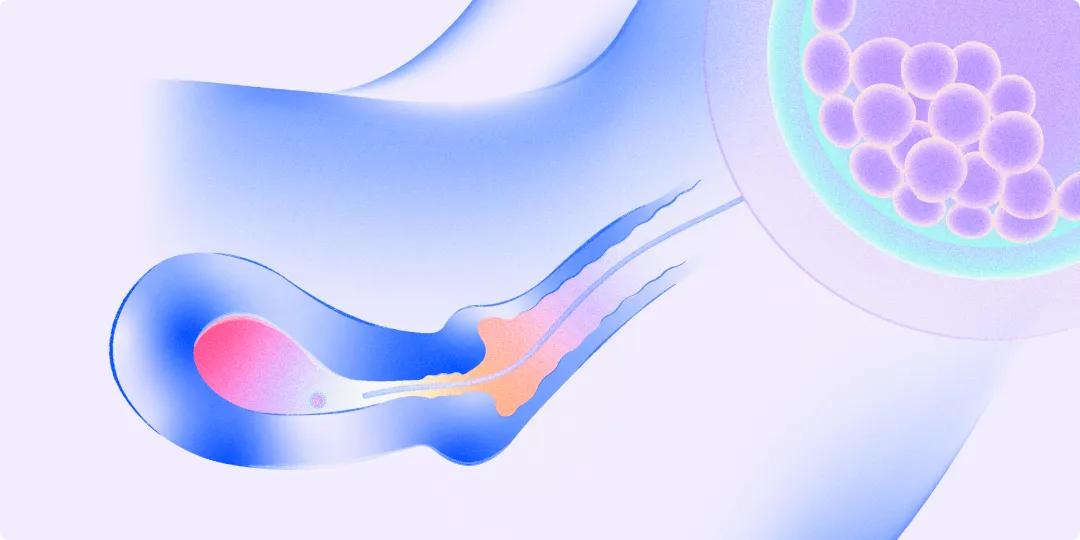
Your care team will prepare and monitor the lining of the uterus of the intended parent or gestational carrier so that it reaches the optimal development for embryo transfer. The embryo transfer procedure typically does not require sedation. The embryo is transferred to the uterus using a thin catheter and an ultrasound for guidance to place the embryo in the right location at the perfect time.  

After your transfer

We know the 10 day wait after an embryo transfer can feel like forever. We will bring you in for bloodwork to check your pregnancy hormone. If it’s positive, the intended parent or gestational carrier will be monitored for early pregnancy growth until ready to graduate and be discharged to the OB!

Frequently Asked Questions

1. How long does the donor egg or donor embryo process take?

Once you have made the decision to move forward with donor eggs or embryos, we know how exciting it can be to get started. We are here to help you make decisions at the pace that feels right to you. People spend different amounts of time finding a donor that is the best fit for them. The timeline can vary but once you let us know your goal, we will do our best to keep you on track. 

2. What if I have mixed feelings about using donor eggs or embryos?

Mixed feelings are common in this process and during fertility treatment in general. We want to make sure you have the best support systems in place going into this. 

3. What medications will I take to prepare for transfer?

The uterus needs to be prepared with some form of estrogen (whether from the body or medication) followed by progesterone. The exact protocol and timing depends on your personal situation. On average it takes about 3 weeks from starting the uterine preparation to embryo transfer.

4. Is embryo transfer painful?

Most patients experience little to no pain. Embryo transfer is a brief procedure that typically does not require sedation. A practice transfer is often performed through pre-procedure preparation like a saline sonogram. This can help you understand what to expect the day of.  You may feel some mild cramping or pressure.

5. What if my transfer doesn’t result in pregnancy?

Not every transfer leads to a pregnancy, and facing an unexpected outcome can be difficult. If your transfer is unsuccessful, we’ll review your results, discuss what was learned, and help you understand your options moving forward. An unsuccessful transfer does not mean that you won’t reach your goal and we are here to reorient you along the way. 

6. What if I would like to use a known donor (someone in my life)?

There are some additional steps required for using a known donor. They need to go through the same screening process as anonymous donors – with infectious disease and genetic testing to make sure they are a good match. They will also need reproductive psychology counseling both with and without you. Lastly, we’ll help connect you with reproductive lawyers to ensure any legal discussion is handled in advance. We understand how valuable this relationship can be for some people and want to help you reach your goal.