When do you ovulate?
In an average 28-day cycle, ovulation usually occurs around day 14. However, only 30% of women experience ovulation between days 10 and 17. Most reach their fertile window earlier or much later.











Knowing your body and understanding your menstrual cycle can help you determine when your most fertile days are and may increase your chances of conception. Find out when you're ovulating using the calculator below.
Our ovulation calculator helps women track their menstrual cycles and determine when they're most fertile.
To use it, enter the first day of your last menstrual period and the average length of your menstrual cycle. (Your cycle length is the number of days between the first day of your last period and the start of the next period.)
Once you've entered this information, the calculator will generate a calendar displaying your estimated ovulation days for the next several months. It's important to note that this is just an estimate and should not be used as a sole method for contraception or fertility planning.
An irregular menstrual cycle can make it difficult to predict ovulation using a calendar-based method.
Examples of an irregular menstrual cycle include:
Other signs of an irregular period include:
Important note: Everyone's body is different, and cycles vary from person to person. What's "normal" for one person may not be the same for another.
If you think you have an irregular cycle, there are other ways to determine whether you're ovulating, including changes in cervical mucus and tracking your basal body temperature (BBT).
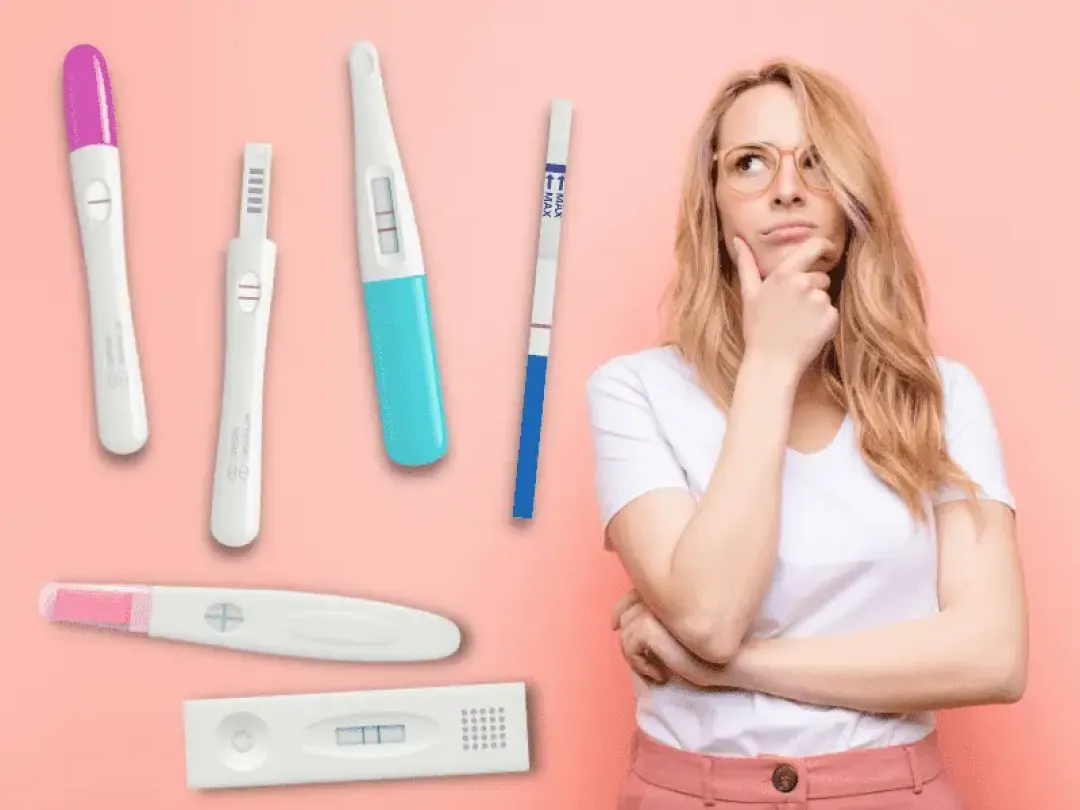
Ovulation predictor kits (OPKs) may also be helpful, but they're not foolproof and can sometimes give false positives or negatives.
The average menstrual cycle length is 28 days, with ovulation typically occurring on day 14. Ovulation calculators use this information to predict your ovulation date or the day that you're most fertile.
Ovulation calculators work by counting back 14 days from the expected start of your next period. This is known as the fertile window and includes the day of ovulation and five days before it.
Ovulation calculators provide a general estimate of when a person will ovulate, but it’s important to remember that this number is just an estimate. Other factors, such as stress, illness, and certain medications, can affect the timing of ovulation.
To get a more accurate picture of your fertility, it's a good idea to use a backup method to track your fertility and to pay attention to your body's other signs of ovulation.
Not every person experiences ovulation the same way, but there are a few common ovulation symptoms to watch for:
In an average 28-day cycle, ovulation usually occurs around day 14. However, only 30% of women experience ovulation between days 10 and 17. Most reach their fertile window earlier or much later.
One of the most common signs of ovulation is changes in cervical mucus. This fluid will start sticky and white and gradually become clear, slippery, and stretchy like raw egg whites.
Another sign of ovulation is increased basal body temperature (BBT).
Some people may also have a heightened sense of smell or changes in appetite or mood.
There are only six days within the menstrual cycle where pregnancy is possible — the five days leading up to ovulation and the day of ovulation itself. This is called the "fertile window," and it represents your most fertile days.
Sperm can survive in the female reproductive tract for up to five days, so having sex anytime within the fertile window increases the chances of conception.
According to the American College of Obstetricians and Gynecologists (ACOG), couples should aim to have sex every day or every other day during these six days.