
1
Meeting with your care team
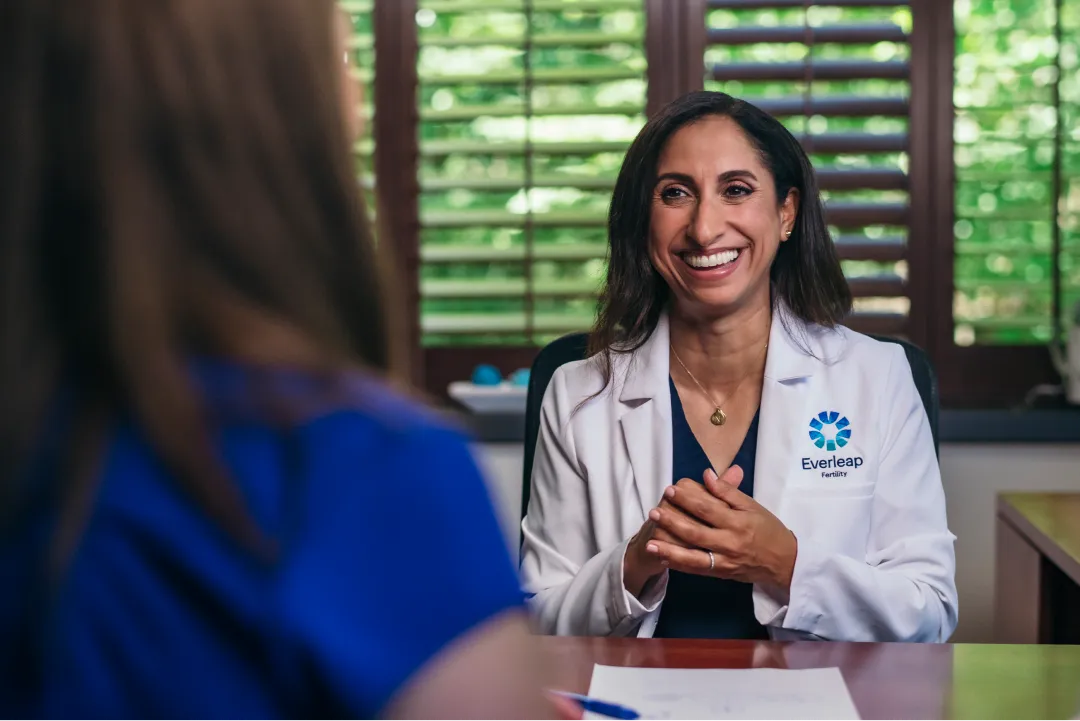
It all starts with a consultation with one of our reproductive endocrinologists—an expert in fertility care for single people building their families. They will answer any and all questions you have about the process.







We offer advanced, inclusive fertility care designed to support single women on their path to parenthood. Whether through donor options or customized treatment plans, our experienced team is here to provide guidance and compassionate care every step of the way.
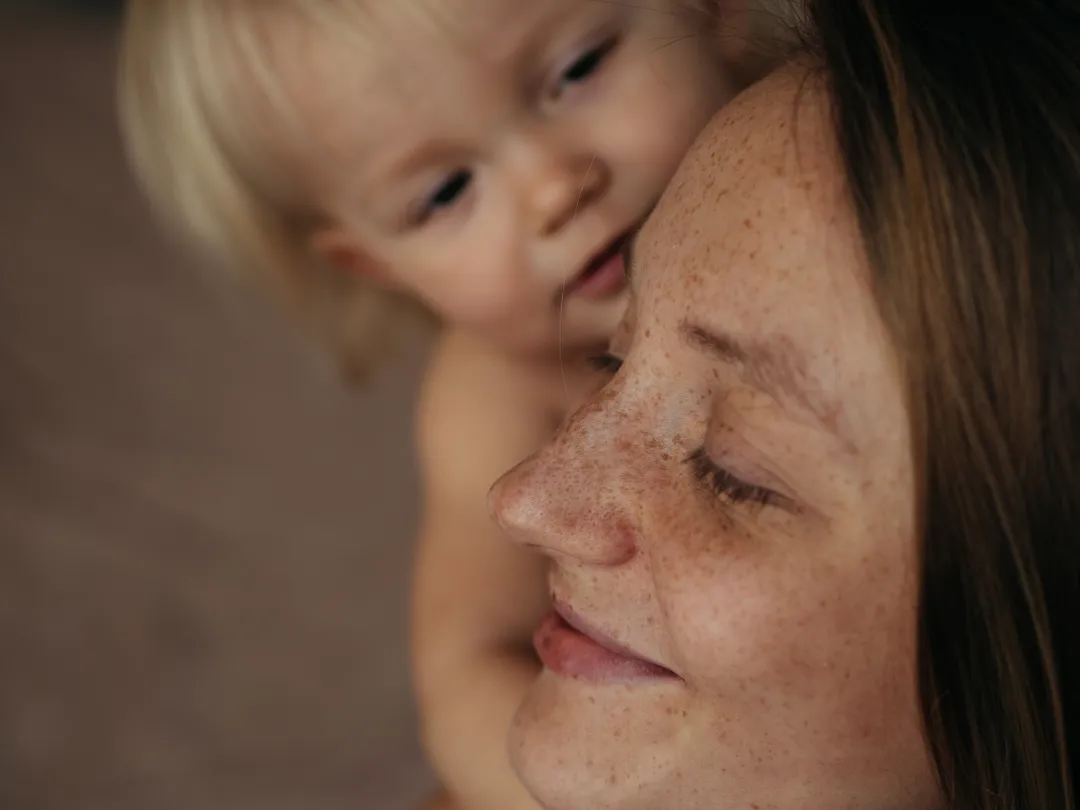
Taking the step toward parenthood through fertility treatment is a significant decision, and we’re here to support you. At Everleap Fertility, you won’t face your fears, concerns, or uncertainties alone. Our specialists use the latest in fertility care to help individuals and couples get closer to the family-building goals.
1
It all starts with a consultation with one of our reproductive endocrinologists—an expert in fertility care for single people building their families. They will answer any and all questions you have about the process.
2
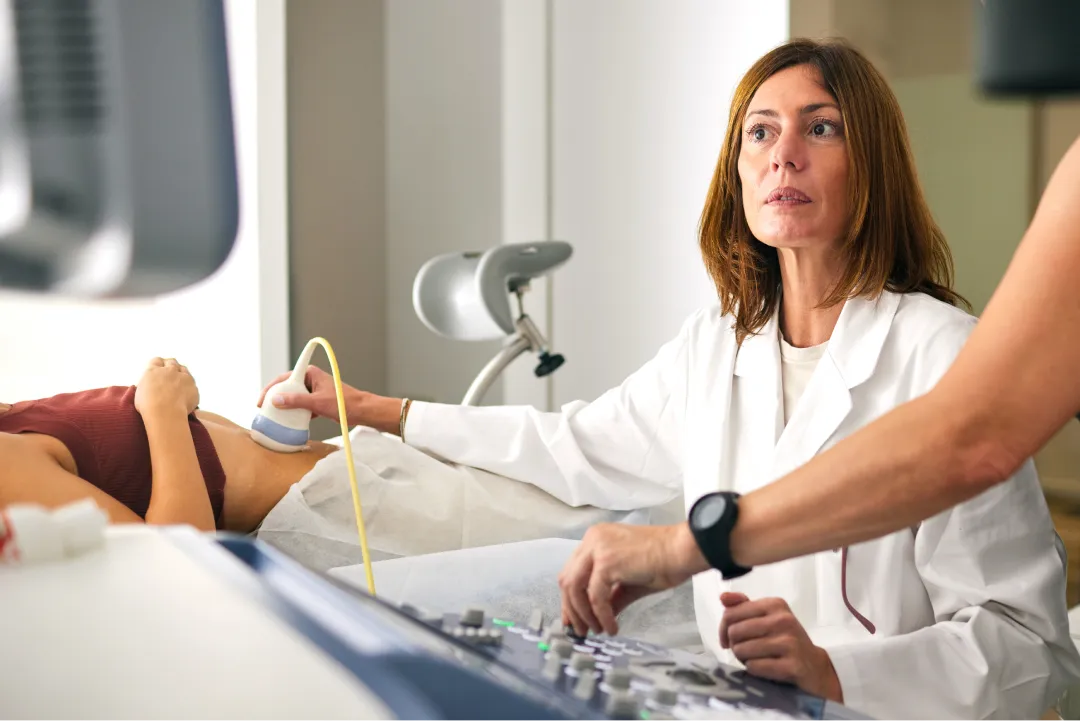
A fertility assessment comes next, which involves a health history, bloodwork, and some diagnostic imaging of the reproductive organs.
3
Based on your fertility assessment, you’ll work with your clinical team on a treatment plan.
4
Then you will choose a sperm donor from one of our accredited third-party partners.
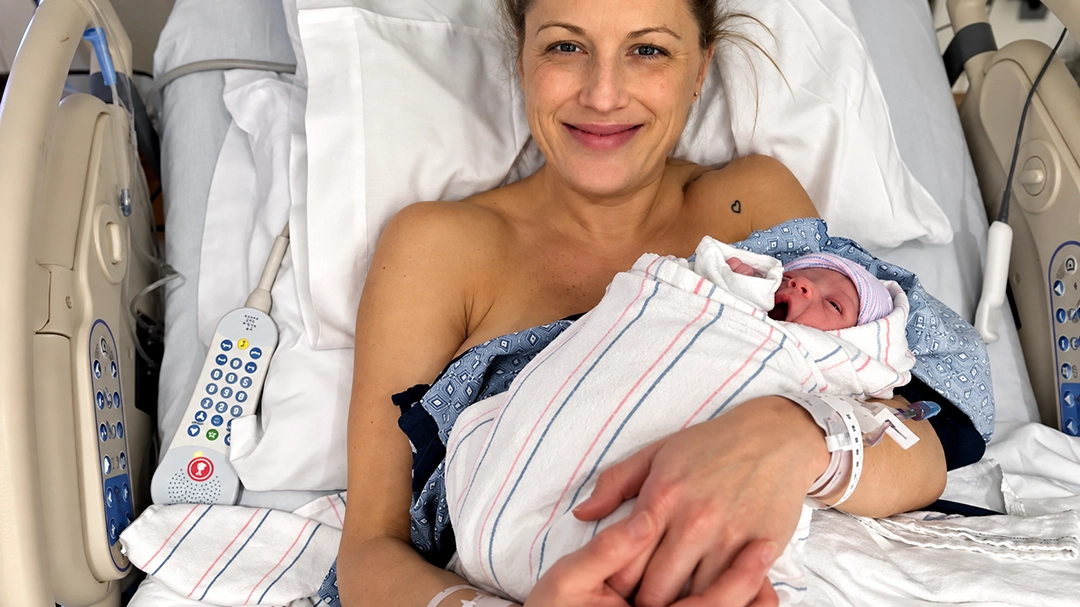
Although the journey alone to become a single mom by choice wasn't always easy, I had the best support system anyone could ask for."
Amber
Massachussetts
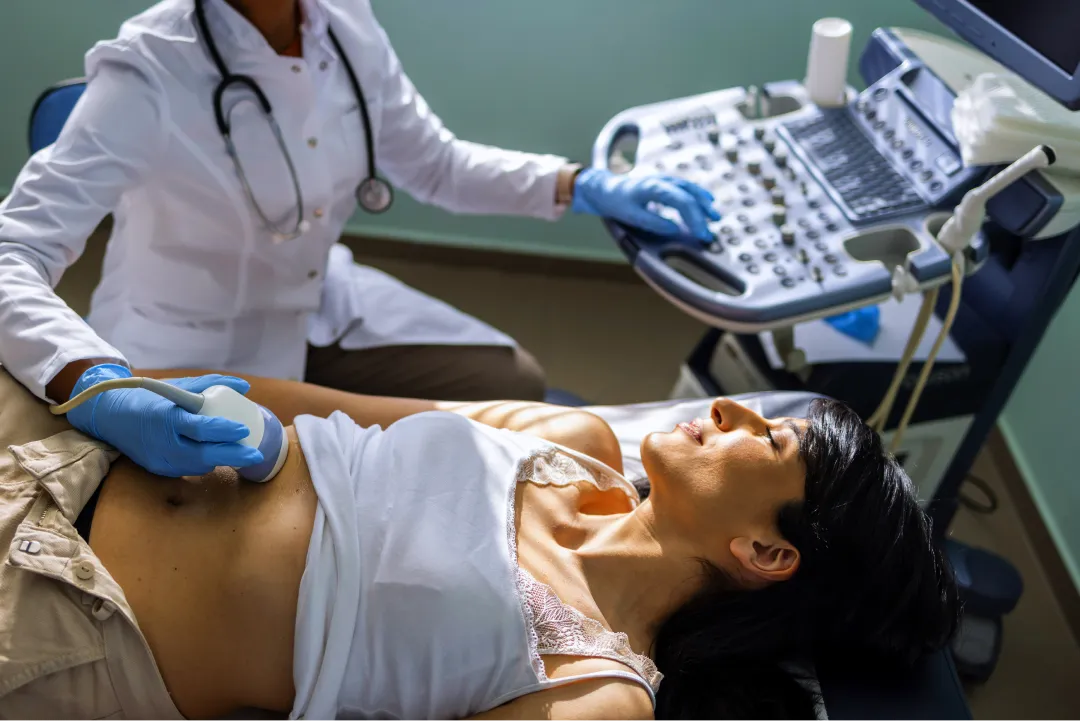
If you aren’t trying to have a baby now but are concerned about preserving your fertility long-term, explore the option of egg freezing.
In the world of fertility treatment, the process of achieving pregnancy as a single woman is often similar to that of other individuals or couples seeking to conceive. While your journey may have its own unique aspects, the medical approaches and treatments available are fundamentally the same.

Family-building as a single female requires a sperm contribution from a donor. Sperm can come from a known donor or through a sperm bank. One factor to consider is whether you may want more children later on with the same genetic father.
In IUI, we insert a flexible catheter through the cervix to introduce sperm into the uterus during ovulation. This can be done using your natural cycle or with medications to induce ovulation. If the egg and sperm meet, pregnancy may occur.
An IVF cycle involves controlled ovarian stimulation with injectable medication, egg retrieval, fertilization with donor sperm, and transfer of an embryo to your uterus. If you have extra embryos after your transfer, they can be frozen for your future use.