

1990
Providing foundational knowledge in ovarian response: Our research showed that day-3 FSH levels could help predict how patients may respond to ovarian stimulation during IVF.







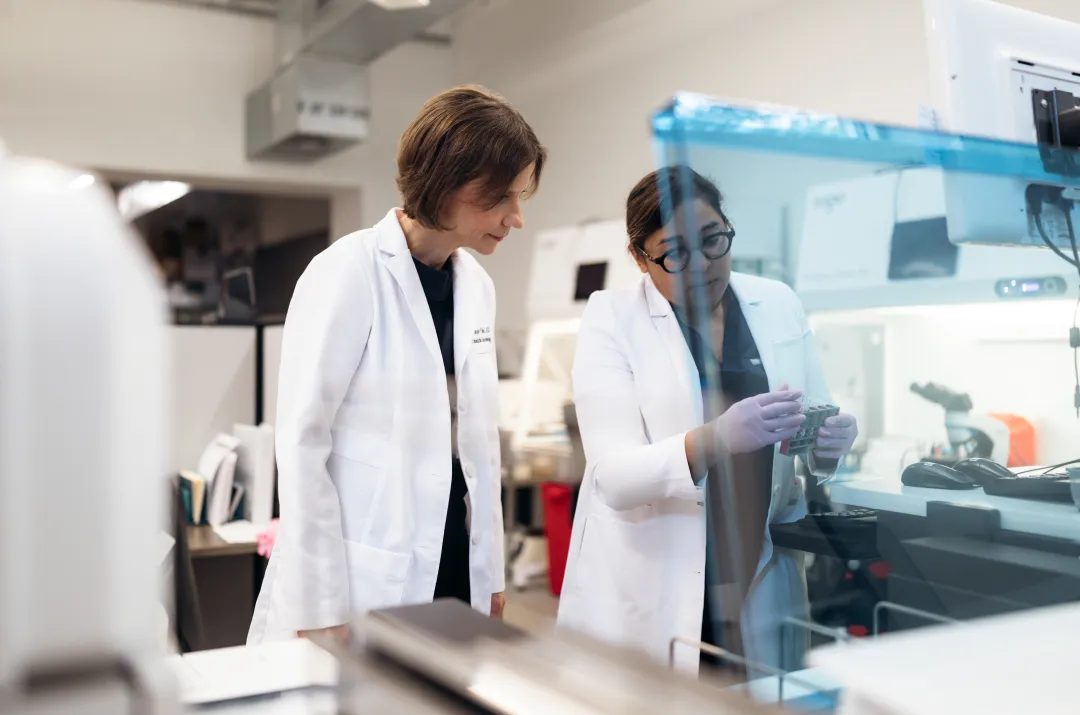

Through leading research, clinical expertise, and continuous innovation, we're helping shape the future of reproductive medicine
For four decades, our doctors and researchers have helped advance reproductive medicine through discoveries that continue to shape fertility care today.
1990
Providing foundational knowledge in ovarian response: Our research showed that day-3 FSH levels could help predict how patients may respond to ovarian stimulation during IVF.
2011

Advanced embryo testing: Landmark research demonstrated that comprehensive chromosome screening (CCS)—the precursor to today's PGT-A—could improve embryo selection and delivery rates.
2013
Redefined embryo transfer: The B.E.S.T Trial showed that that one tested embryo could achieve the same pregnancy rates as transferring two untested embryos—with a dramatically lower risk of twins.
2014

The FASTT trial helped change insurance coverage in MA by demonstrating in a randomized clinical trial that multiple IUI treatment was of no added value when treating patients with unexplained infertility and that immediate IVF treatment was a more successful option.
2018
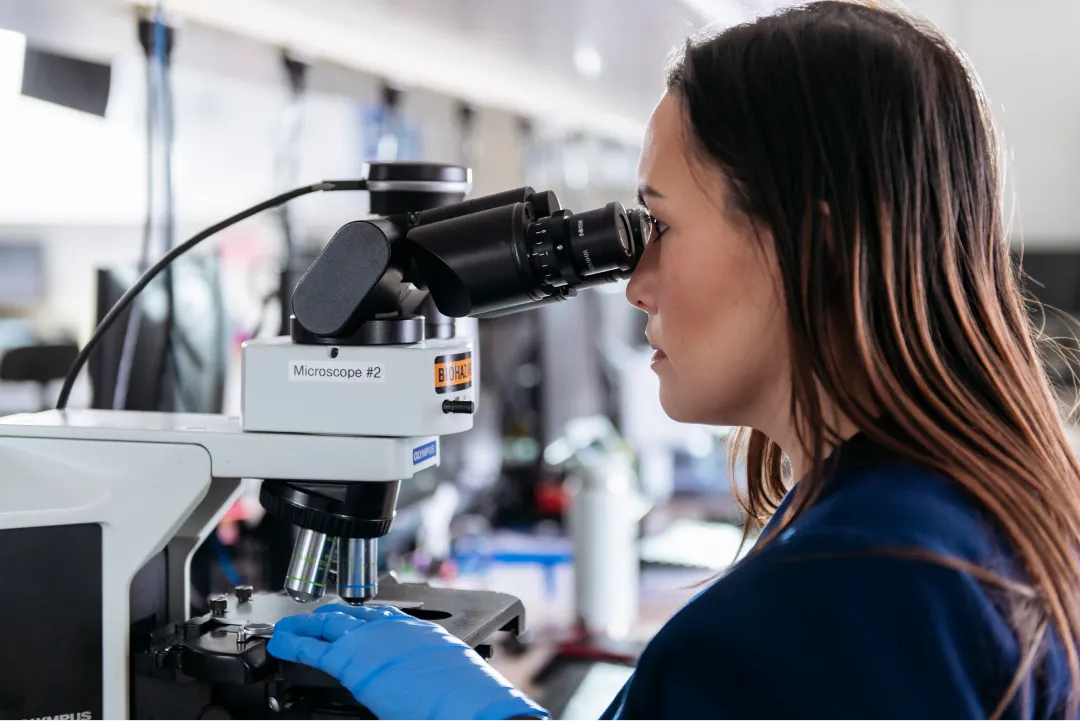
Strengthening IVF laboratory safety: Our researchers helped advance patient safety in IVF laboratories by systematically tracking and analyzing non-conformances, establishing a model for stronger reporting, quality improvement, and laboratory safety in reproductive medicine.
2022

Rethinking diminished ovarian reserve: Our research found that younger patients with diminished ovarian reserve had similar embryo chromosome and live birth rates after euploid embryo transfer as patients with normal ovarian reserve.
2025

Shaping what’s next: Developed the FORTUNE prediction model to help personalize treatment planning by predicting the likelihood of euploid embryos.
25
State-of-the-art laboratories
1,000+
Peer-reviewed papers published in leading medical journals
40
Years of continuous clinical research leadership
What sets us apart is our ability to accurately diagnose both routine and rare cases. With over 35 years of valuable treatment cycle data, we can identify unique trends that enable us to make precise diagnoses.”

Michael Alper, MD
Reproductive Endocrinologist

Every decision in our laboratories is guided by rigorous scientific standards and an unwavering commitment to quality. It's how we help protect every embryo, support every treatment, and give patients greater confidence in their care.

A large international study found that live birth rates remained strong through fourth and fifth euploid embryo transfers, suggesting unexplained recurrent implantation failure may affect fewer than 2% of patients.
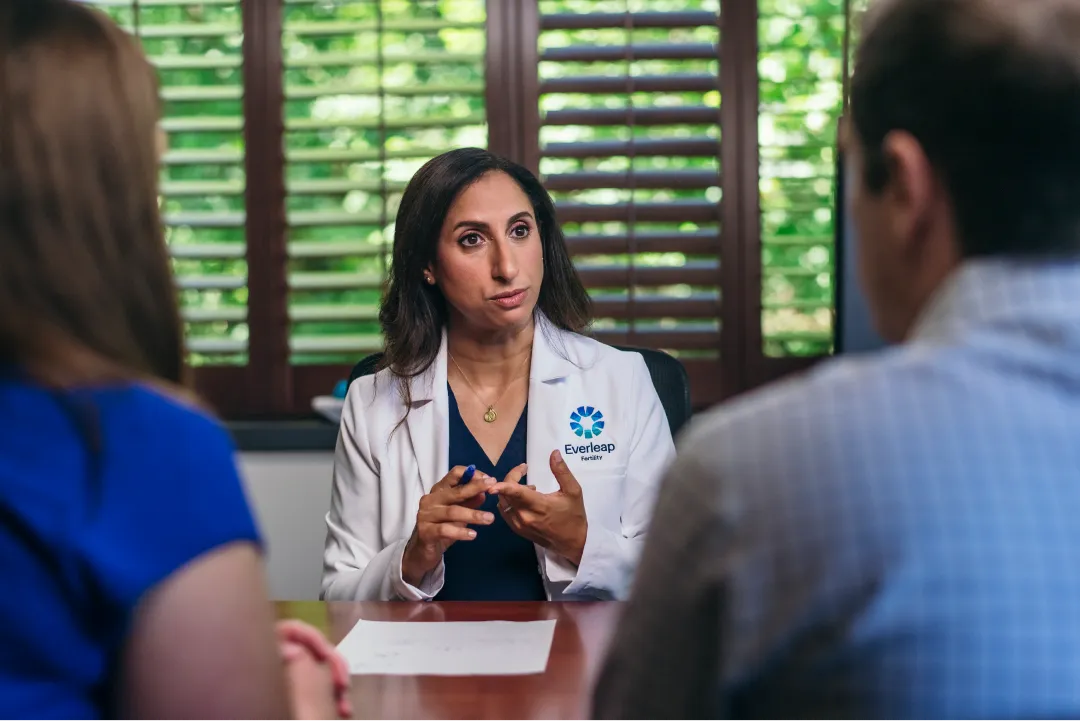
Our team conducted a retrospective study of 961 patients and found that short-term weight loss between IVF cycles did not improve egg retrieval, fertilization, or embryo development.

Our researchers found that pregnancy loss after a first frozen embryo transfer was not associated with an increased risk of pregnancy loss in the subsequent transfer.
As part of the IVI Institute, Everleap Fertility is connected to a global reproductive medicine research network. Collaboration across international research centers, hundreds of physicians and scientists, and thousands of scientific publications helps accelerate discovery, bringing the latest advances in fertility care to the patients we serve.
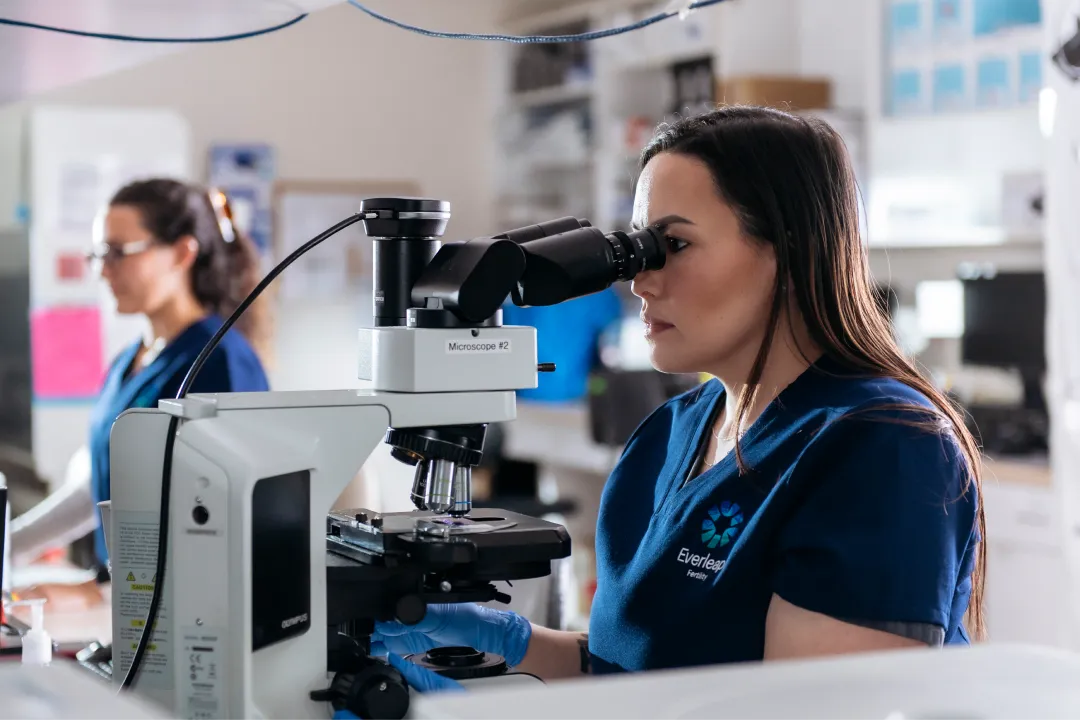
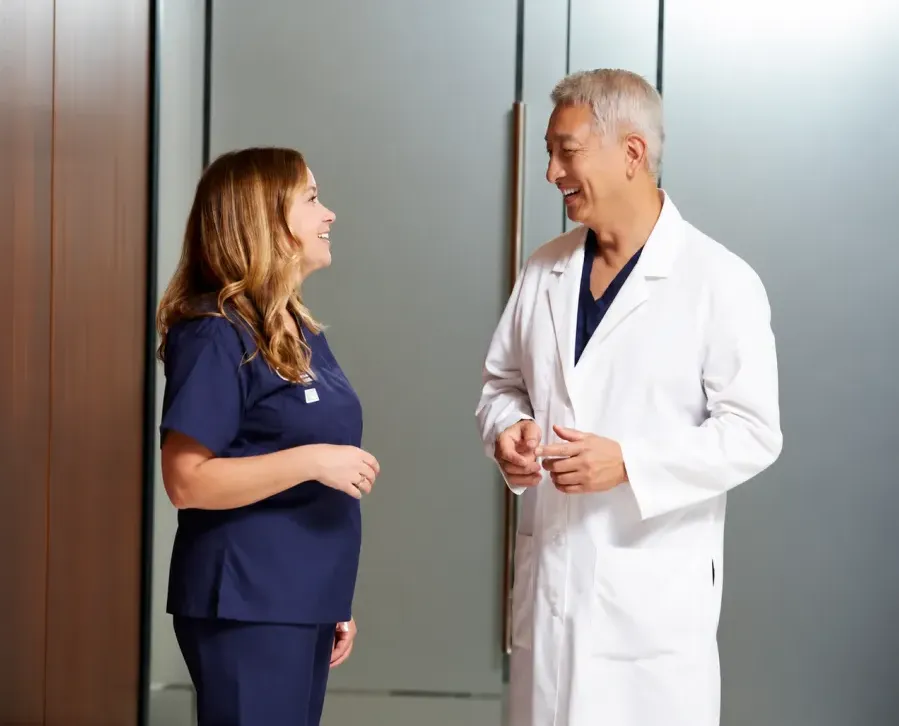
Through Reproductive Endocrinology and Infertility (REI) fellowship programs developed in partnership with the Sidney Kimmel Medical College at Thomas Jefferson University and with Harvard Medical School and Beth Israel Deaconess Medical Center, we help prepare future leaders in reproductive medicine. Fellows gain hands-on clinical experience, laboratory training and research opportunities that strengthen patient care and advance the field.