1

Preparing for egg retrieval
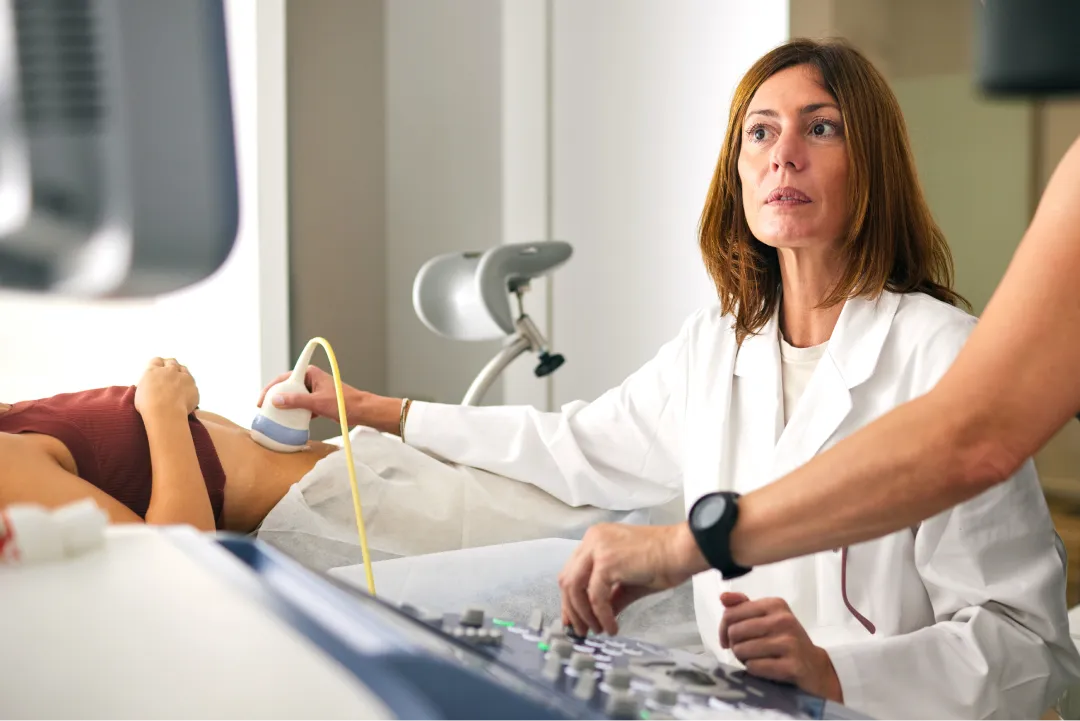
Before IVF begins, your care team creates a personalized treatment plan. While the female partner prepares for egg retrieval, the male partner is evaluated to determine the best approach for retrieving sperm.










Many men choose a vasectomy as a permanent form of birth control. However, if life circumstances change, you may still be able to use your own sperm for pregnancy through a vasectomy reversal or sperm retrieval with IVF.
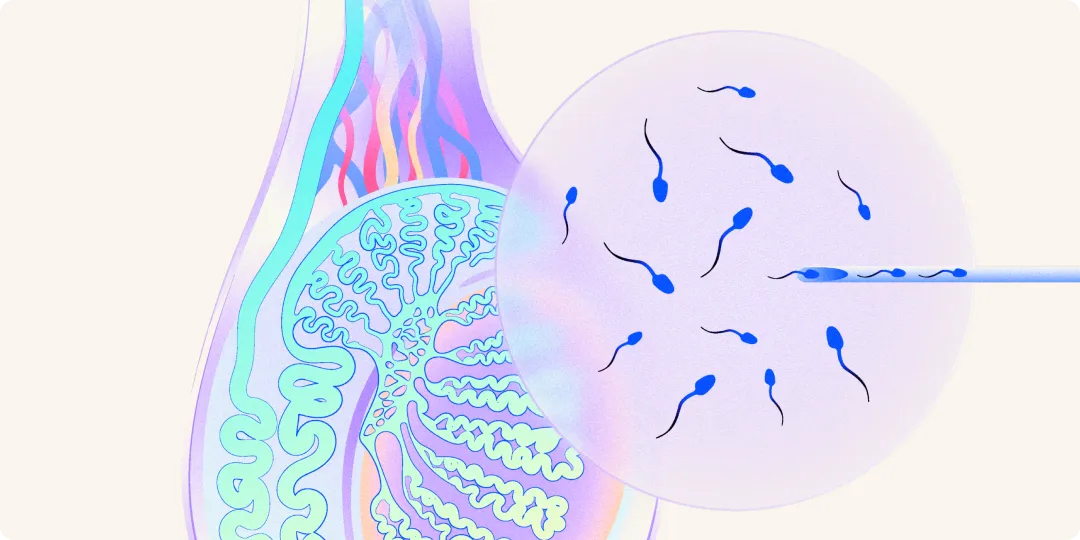
A vasectomy reversal, also known as a vasovasostomy, is a surgical procedure that reconnects the vas deferens after a vasectomy. Success depends on factors such as the amount of healthy tissue available for reconnection, the presence of scar tissue, and how much time has passed since the vasectomy. In general, the sooner the reversal is performed, the greater the chance of achieving pregnancy.

If a vasectomy reversal isn't the right option, surgical sperm extraction can often retrieve sperm directly from the epididymis and/or testicle for use with IVF. Once healthy sperm are identified, intracytoplasmic sperm injection (ICSI) is used to inject a single sperm into each mature egg to help achieve fertilization as part of the IVF process.
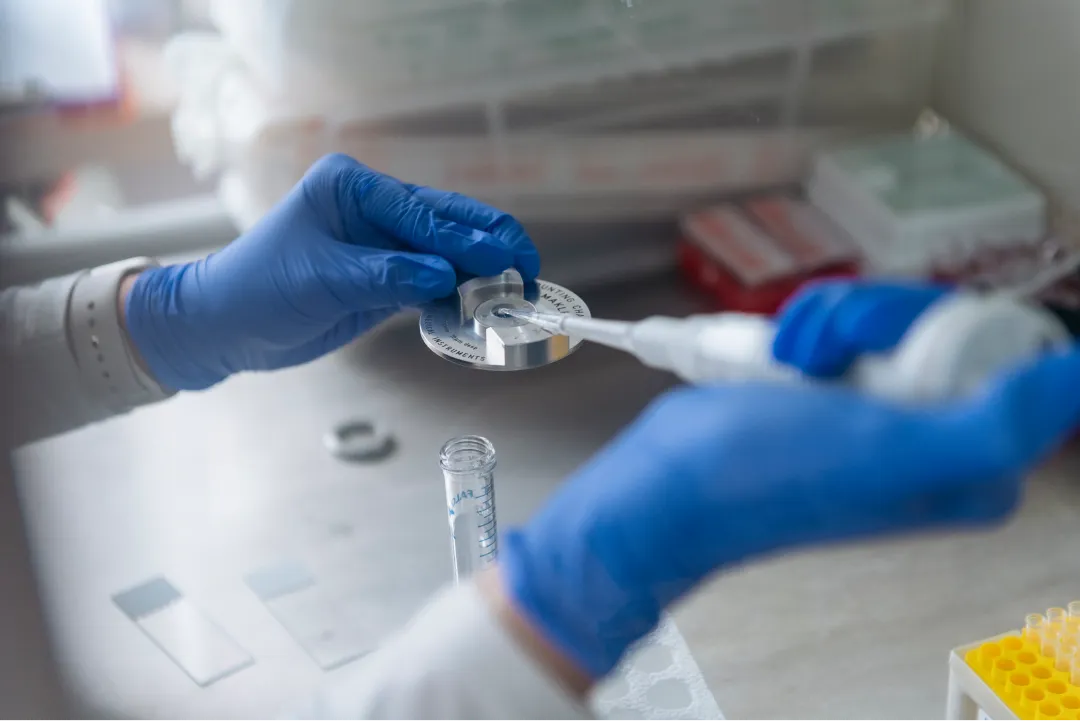
A vasectomy doesn't have to close the door on growing your family. In many cases, sperm can still be retrieved directly from the testicle and used with IVF. We'll guide you through every step, from retrieval to treatment.
1
Before IVF begins, your care team creates a personalized treatment plan. While the female partner prepares for egg retrieval, the male partner is evaluated to determine the best approach for retrieving sperm.
2
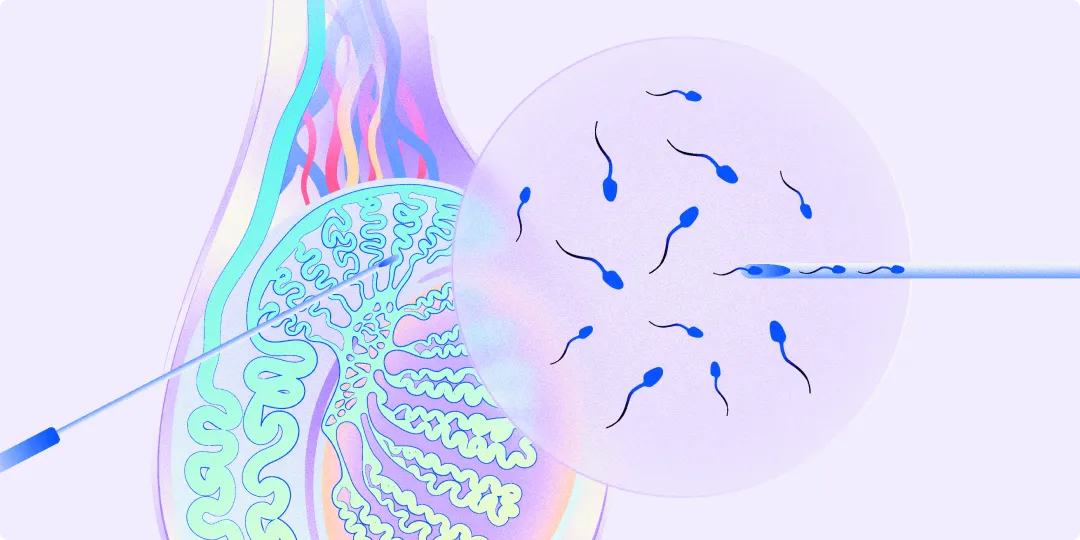
If sperm aren't present in the ejaculate, they can often be retrieved using percutaneous epididymal sperm aspiration (PESA), testicular sperm aspiration (TESA), and/or testicular sperm extraction (TESE). During this minimally invasive procedure, a small tissue sample is taken from the epididymis and/or testicle using a thin needle or small biopsy. The sample is then examined in the lab to identify healthy sperm for IVF.
3

An embryologist selects a single healthy sperm and injects it directly into each mature egg using intracytoplasmic sperm injection (ICSI) to help achieve fertilization.
4
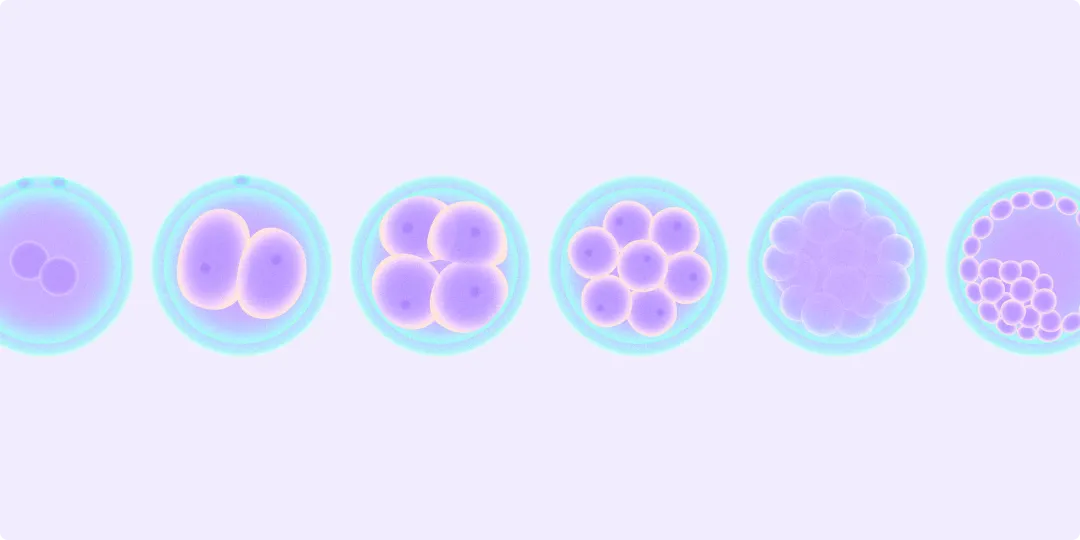
Over the next several days, the embryos continue developing under the close care of our laboratory team. Their progress helps guide decisions about testing, freezing or transfer.
5

Embryos may be tested for certain chromosome differences or inherited conditions through preimplantation genetic testing (PGT). Your doctor will explain what the results can and cannot tell you.
6

By day five or six, some embryos may reach the blastocyst stage. They may be transferred in the same treatment cycle or frozen for a future frozen embryo transfer (FET). Together, we’ll choose the right path for you.

Get to know the fertility specialists who bring deep expertise to your care while taking time to understand your unique history, journey, and goals
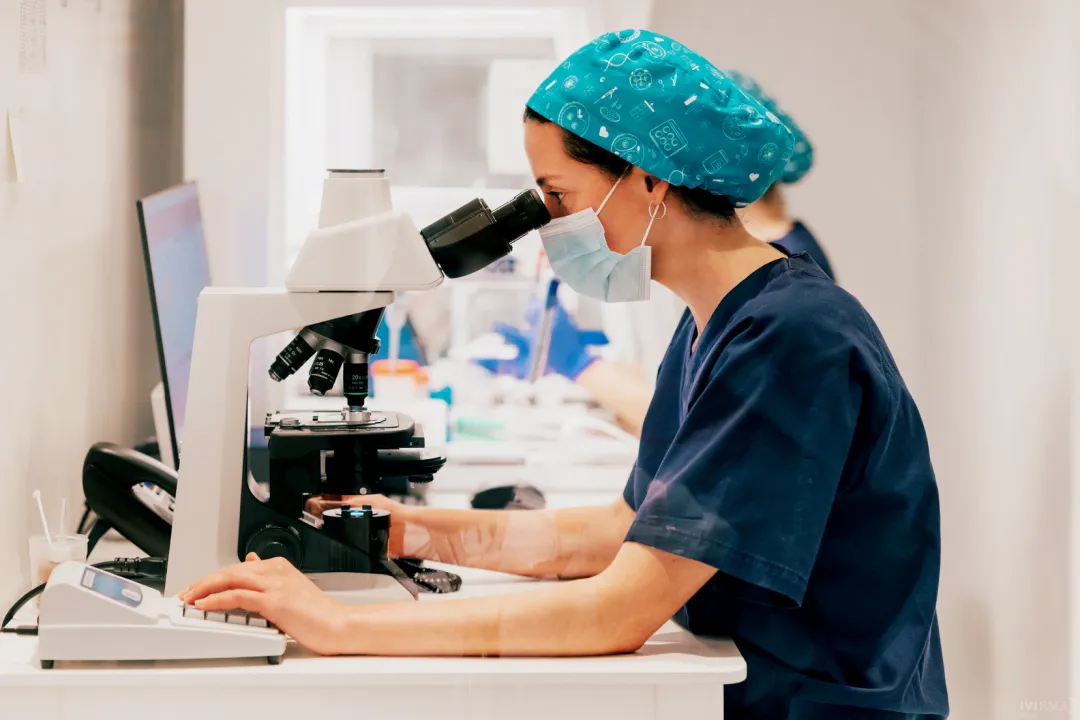
Much of IVF happens beyond the exam room. In our labs, experienced embryologists closely manage fertilization and embryo development
Explore trusted guidance from our fertility experts to better understand a vasectomy reversal and alternative options for sperm retrieval, and feel more confident about your next step

In many cases, men can have a biological child after a vasectomy. Depending on your individual situation, your doctor may recommend a vasectomy reversal or surgical sperm extraction with IVF. The best option depends on factors such as your age, your partner's fertility, and how long ago the vasectomy was performed.
A vasectomy reversal (vasovasostomy or vasoepididymostomy) is a microsurgical procedure that reconnects the vas deferens—the tubes that carry sperm from the testicles. If successful, sperm can once again travel into the semen, allowing for the possibility of natural conception.
Unfortunately, not always. A vasectomy reversal and achieving pregnancy is dependent on several factors, including:
When sperm isn't present in the ejaculate, they can often be retrieved directly from the epididymis and/or testicle using surgical sperm extraction. During this minimally invasive procedure, a small tissue sample is collected with a thin needle or small biopsy and examined in the laboratory to identify healthy sperm.
Intracytoplasmic sperm injection (ICSI) is an IVF technique in which a single sperm is injected directly into an egg to help achieve fertilization. Because only a small number of sperm are typically retrieved after a vasectomy, ICSI is commonly used to maximize the chance of fertilization.
For men who were fertile before their vasectomy, the chances of successfully finding usable sperm with surgical sperm extraction are very high. In fewer than 5% of cases, viable sperm cannot be retrieved. If needed, your doctor can discuss options such as a trial sperm retrieval, donor sperm, or adoption.