In vitro fertilization (IVF)

IVF has helped millions of people become parents. At Everleap Fertility, every cycle is shaped around your health, your goals and your individual needs.

Image placeholder

What is IVF?

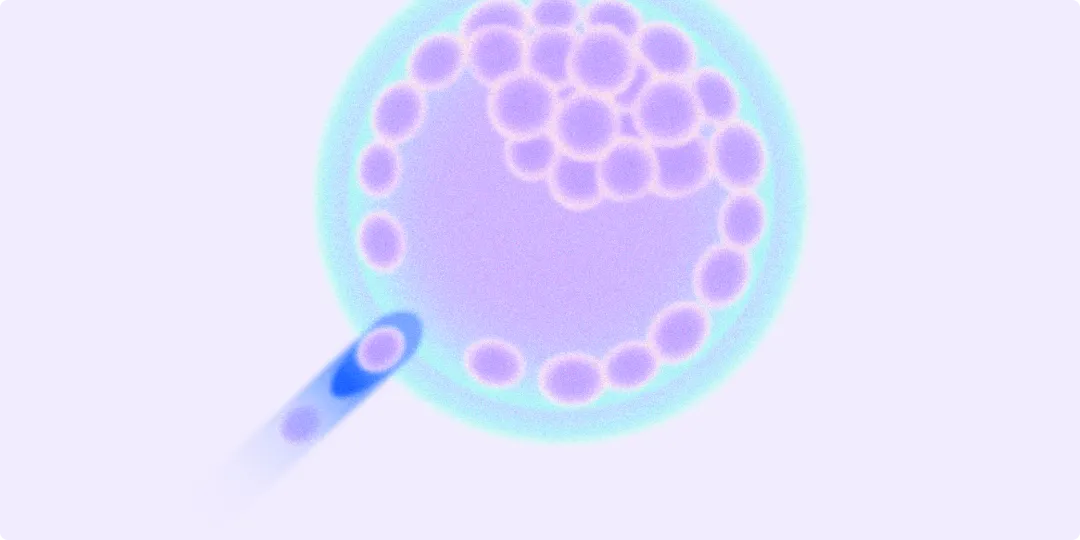
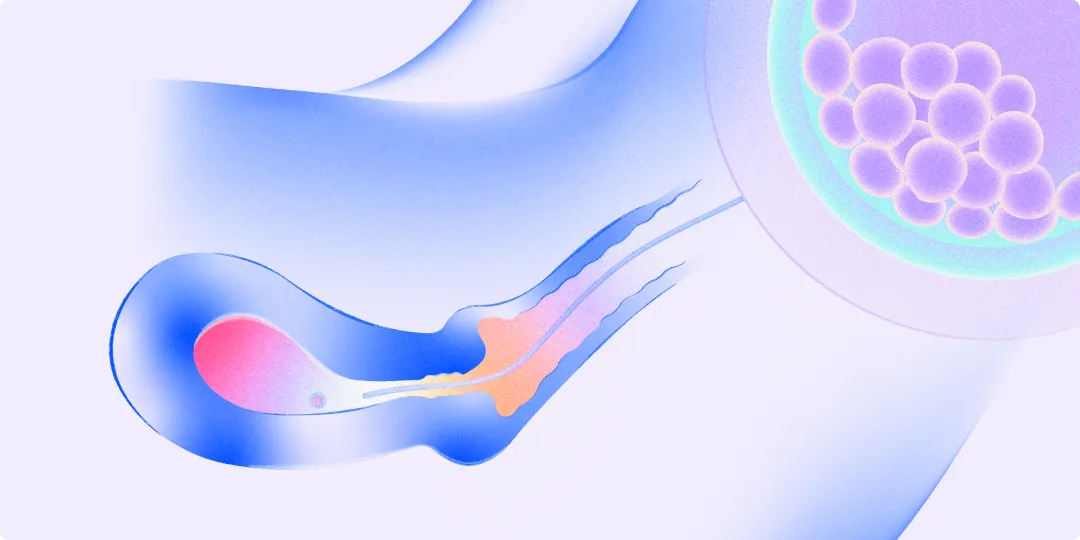
IVF can be an effective fertility treatment for many. It involves stimulating the ovaries to produce multiple eggs, fertilizing those eggs in a specialized laboratory, and transferring an embryo to the uterus. Throughout the process, your physicians and embryologists work together to personalize each step based on your diagnosis, fertility goals, and how your body responds to treatment.

Image placeholder

Could IVF be right for me?

People consider IVF for many different reasons. Some have a clear diagnosis, while others have spent months or years searching for answers. IVF can also support a range of family-building paths, including treatment with donor eggs or sperm, reciprocal IVF, or gestational carrier care.

 Your consultation is a chance to look at the full picture. We’ll talk through what may be affecting your fertility and whether IVF makes sense now or later. 

Image placeholder

Why choose Everleap Fertility for IVF?

IVF is both highly scientific and deeply personal. Our physicians and embryologists bring extensive experience to every cycle, drawing on shared clinical expertise across our network to deliver personalized care.

Every treatment plan is built around your diagnosis, goals, and the latest clinical evidence. That includes recommending single embryo transfer (SET) when appropriate to support healthy pregnancies while reducing the risk of multiples. Our experienced embryologists care for each egg and embryo with precision, while your care team guides you through each step with clarity and confidence. 

 

Image placeholder

Understanding the IVF process

From retrieving eggs to transferring an embryo, your care team and embryologists work closely together throughout the cycle.

1

Image placeholder

Stimulating your ovaries

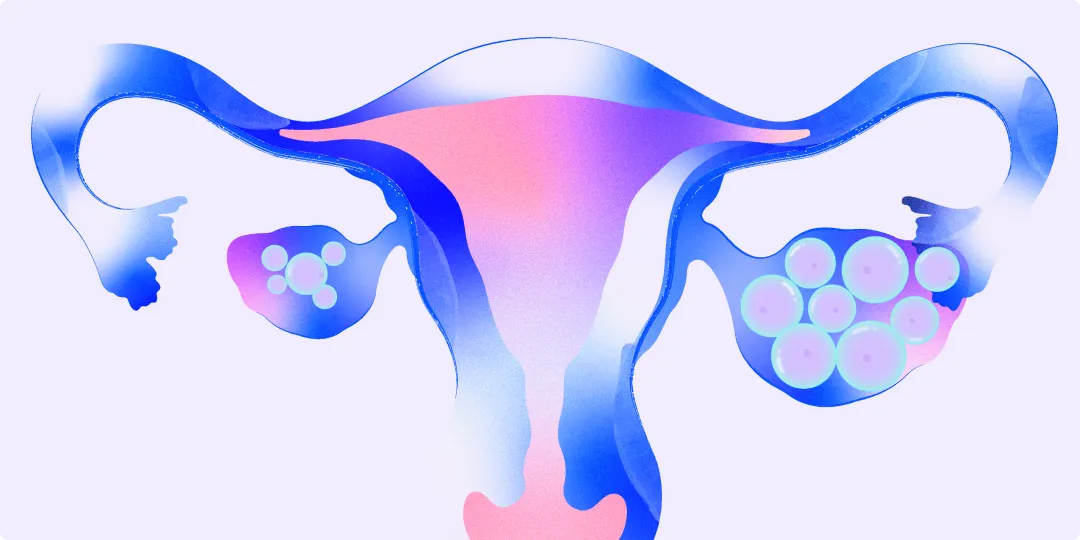
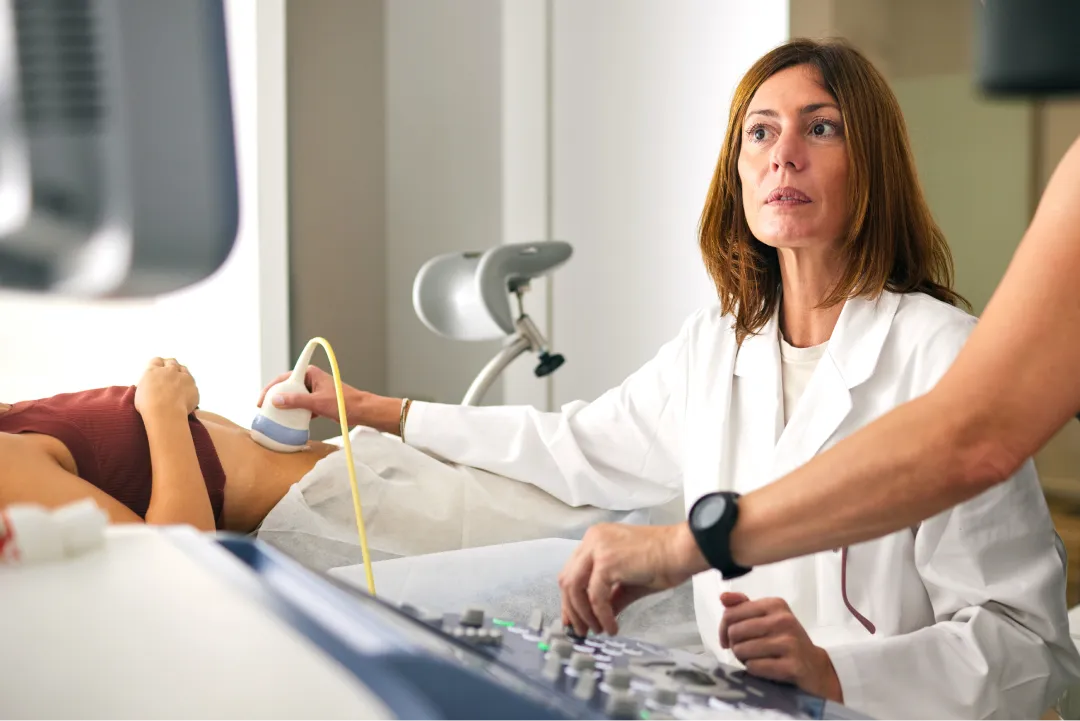
Your body usually produces one egg each month. During IVF, we use injectable medications to encourage several follicles, each containing an egg, to develop. Blood tests and ultrasounds help us monitor your response and adjust your treatment protocol to your body.

2

Image placeholder

Retrieving your eggs

Once your follicles are ready, we collect the eggs from inside during a brief procedure under sedation. You will be in the office for a few hours and return home the same day.

3

Image placeholder

Inseminating your eggs

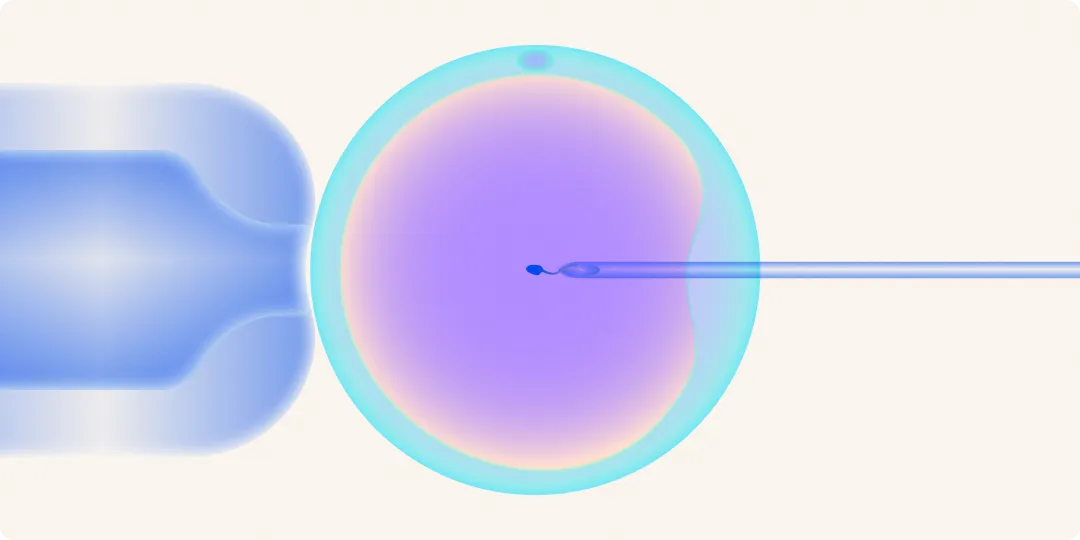
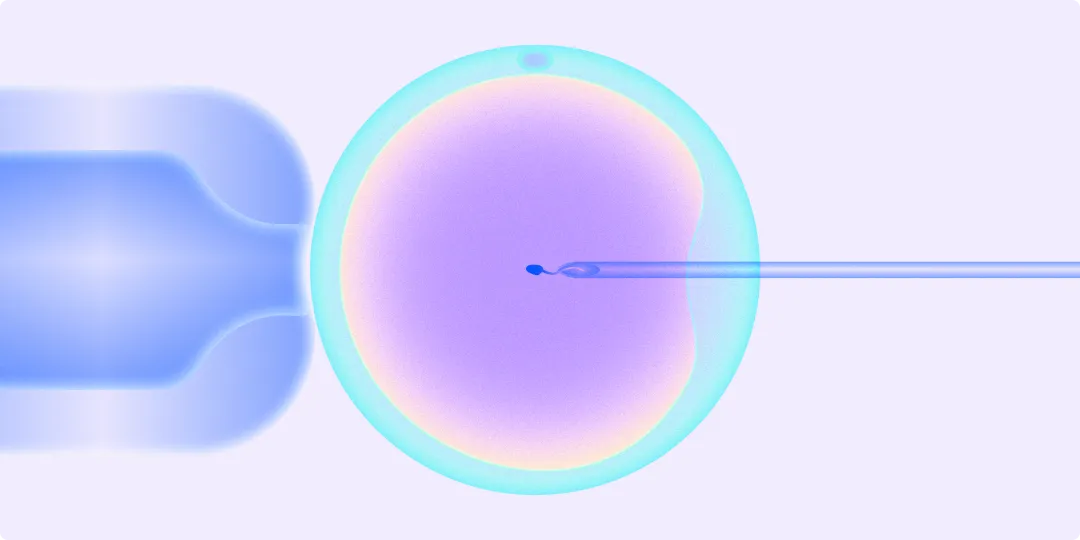
In our embryology lab, your eggs are inseminated using either conventional insemination or intracytoplasmic sperm injection (ICSI), depending on your treatment plan. Your care team will recommend the approach that's right for you.

4

Image placeholder

Growing your embryos

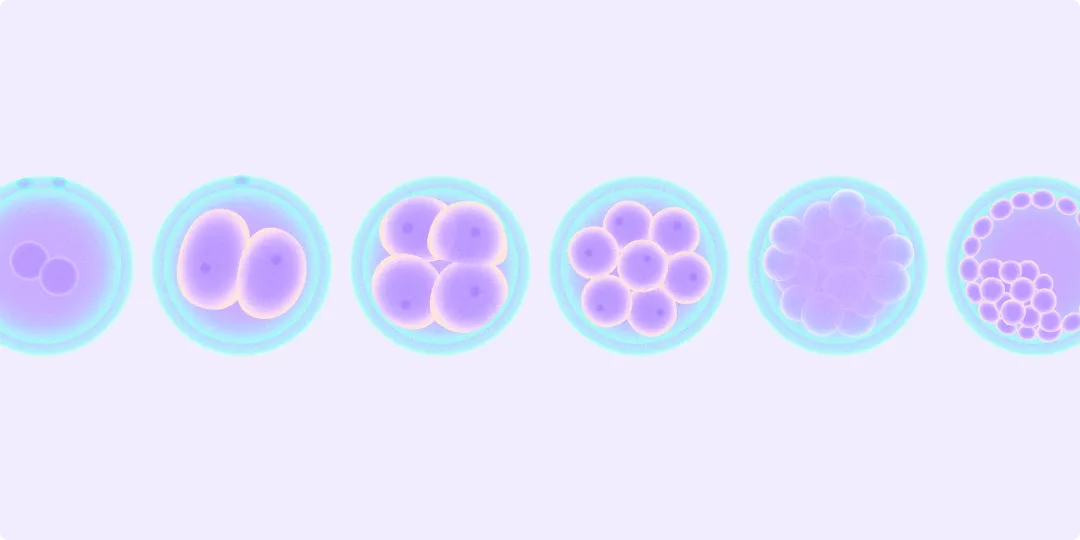
Over the next several days, the embryos continue developing under the close care of our laboratory team. Their progress helps guide decisions about testing, freezing or transfer.

5

Image placeholder

Testing your embryos

Embryos may be tested for certain chromosome differences or inherited conditions through preimplantation genetic testing (PGT). Your physician will explain what the results can tell us about the health of the embryos.

6

Image placeholder

Transferring or freezing

By days five to seven, some embryos may reach the blastocyst stage. They may be transferred in the same treatment cycle or frozen for a future frozen embryo transfer (FET). Together, we’ll choose the right path for you.

Your IVF care team, from clinic to lab

Image placeholder

The doctors at the heart of your care

Get to know the doctors who bring strong fertility expertise to your care while taking time to understand your history and priorities

Image placeholder

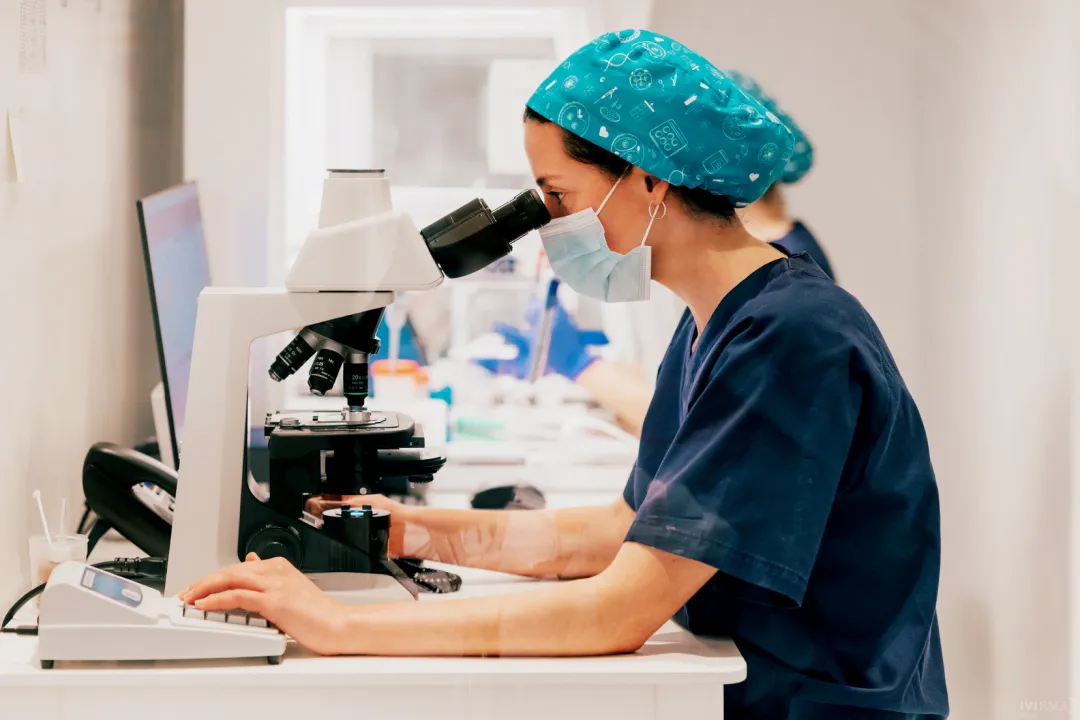
Inside our embryology labs

Much of IVF happens beyond the exam room. In our labs, experienced embryologists closely manage embryo development

What is the egg retrieval process like?

What are the odds of having multiples with IVF?

How many eggs are enough for IVF?

How long does IVF take?

How much does IVF cost?

What causes an IVF cycle to fail?

Learn more about fertility treatment

Frequently asked questions (FAQs)

What is in vitro fertilization (IVF)?

IVF is a fertility treatment in which eggs are collected from the ovaries and combined with sperm in a laboratory. An embryo is then transferred to the uterus or frozen for future use. 

Who is a good candidate for IVF?

IVF may help people facing blocked fallopian tubes, low sperm counts, endometriosis or unexplained infertility. It may also be appropriate after other treatments have not worked, or for people using donor care or a gestational carrier. 

What happens during the IVF process?

An IVF cycle usually includes medication, monitoring appointments, an egg retrieval and embryo development in the laboratory. Transfer may take place during the same cycle or later. 

How long does IVF take?

From the start of medication through embryo development, the first part of IVF often takes two to three weeks. The overall timeline may be longer if genetic testing or a frozen transfer is part of your plan.

Does IVF hurt?

Medication and monitoring may cause temporary discomfort. You will be sedated during the egg retrieval, and most patients experience only mild cramping during recovery. 

What are the chances of success with IVF?

IVF can be highly effective for many patients, but outcomes differ from person to person. We will explain the relevant success-rate data clearly and put it in the context of your individual circumstances. 

How much does IVF cost?

Some patients use insurance benefits, financing, or both. We will review the resources available and explain what they may mean for your expected expenses.

How do I get started with IVF?

The first step is a consultation with a fertility specialist. We will review your history, complete any needed testing, and discuss together whether IVF is the right treatment for you. 
 

Ready to take the next step?