1
Stimulating your ovaries
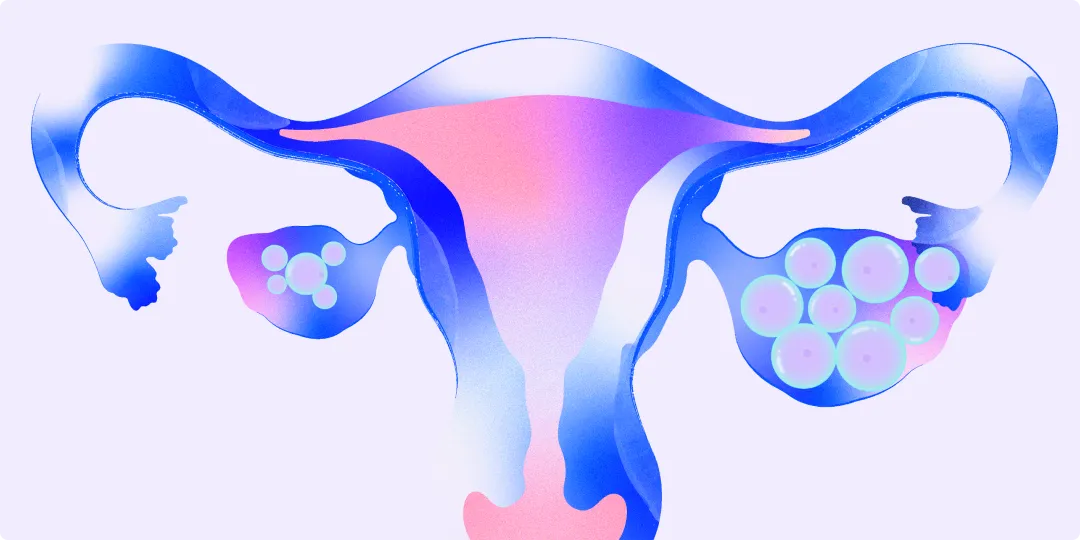
Your body develops one egg during a menstrual cycle. With Mini IVF, lower doses of fertility medications that may include both oral and injectable medications are used to encourage a small group of eggs to develop.









For some patients, a gentler approach to ovarian stimulation may be a good fit. Mini IVF uses lower doses of fertility medications to stimulate the ovaries, with the goal of developing fewer eggs than traditional IVF. Because it uses less medication, it can be a less intensive treatment approach and may reduce medication costs for some patients.
Mini IVF is a form of IVF that uses oral fertility medications, often combined with lower doses of injectable medications, to provide a more gentle ovarian stimulation. Rather than aiming to recruit a larger number of eggs, Mini IVF focuses on developing a smaller number of eggs using less medication.
For appropriately selected patients, this approach may offer a less intensive alternative to traditional IVF while reducing medication use, potential side effects, and treatment costs.
Mini IVF and traditional IVF follow many of the same steps, including egg retrieval, fertilization, embryo development, and embryo transfer. The primary difference is the approach used to stimulate the ovaries.
Traditional IVF typically uses higher doses of injectable fertility medications to stimulate the growth of as many eggs as possible, while mini IVF uses lower doses of medications – often a combination of oral and injectable medications – to develop of a smaller number of eggs.

Mini IVF may be considered for patients with diminished ovarian reserve, those who are expected to produce a smaller number of eggs with ovarian stimulation, or patients who prefer a gentler, less medication-intensive approach to IVF. It may also be a good option for those who want to reduce medication costs or minimize medication-related side effects.
Your fertility specialist will consider your age, ovarian reserve, treatment history, and family-building goals to determine whether Mini IVF is an appropriate option for you.

The mini IVF process follows many of the same steps as traditional IVF, with the primary difference being the approach used to stimulate the ovaries. Your care team will personalize your treatment plan and guide you through each step of the process.
1
Your body develops one egg during a menstrual cycle. With Mini IVF, lower doses of fertility medications that may include both oral and injectable medications are used to encourage a small group of eggs to develop.
2

Once your eggs are ready, they are collected during a brief outpatient egg retrieval procedure performed under sedation. Most patients return home the same day.
3

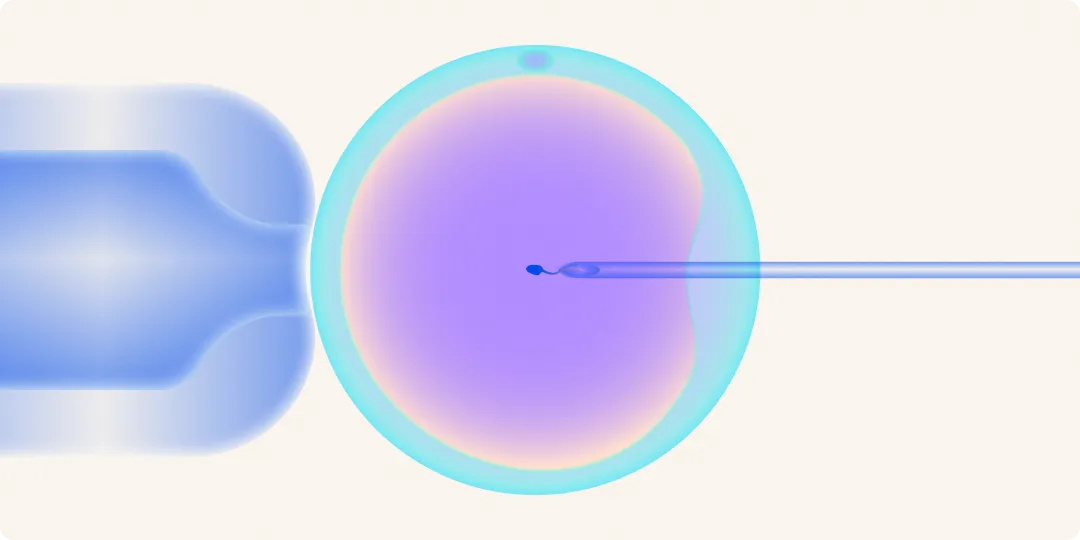
In our embryology lab, your eggs are carefully handled and fertilized using either conventional insemination or intracytoplasmic sperm injection (ICSI), depending on your individual treatment plan. Your care team will recommend the approach that best suits your needs and goals.
4
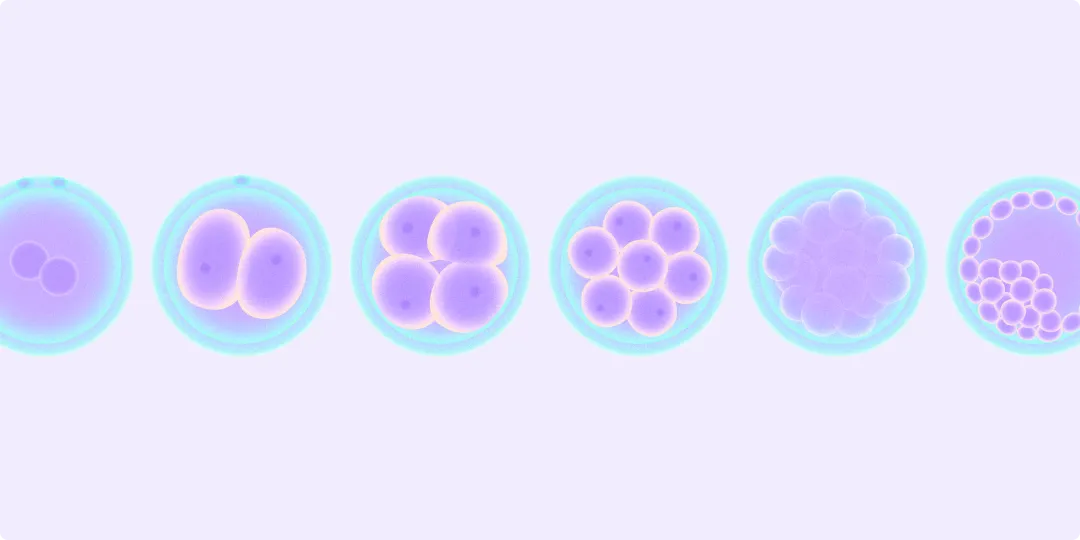
Over the next several days, your embryos are carefully monitored as they develop in the embryology lab. Their development helps guide decisions about which embryos may be suitable for transfer, freezing, or genetic testing.
5
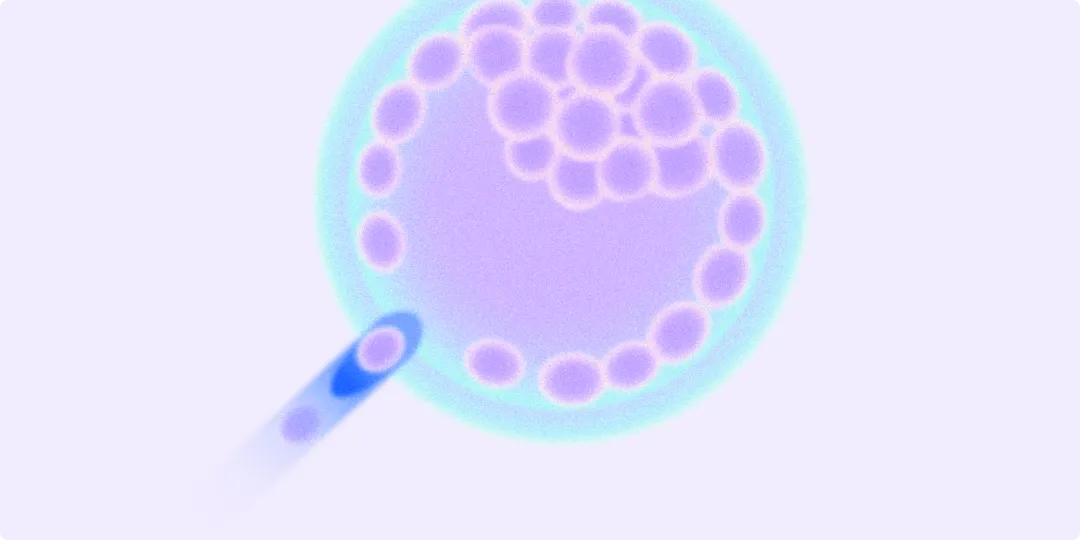
Embryos that reach the blastocyst stage may undergo preimplantation genetic testing (PGT) to screen for certain chromosomally abnormalities or genetic conditions. Your physician will counsel you about whether PGT is a good option for you and explain what the results can and cannot tell you.
6
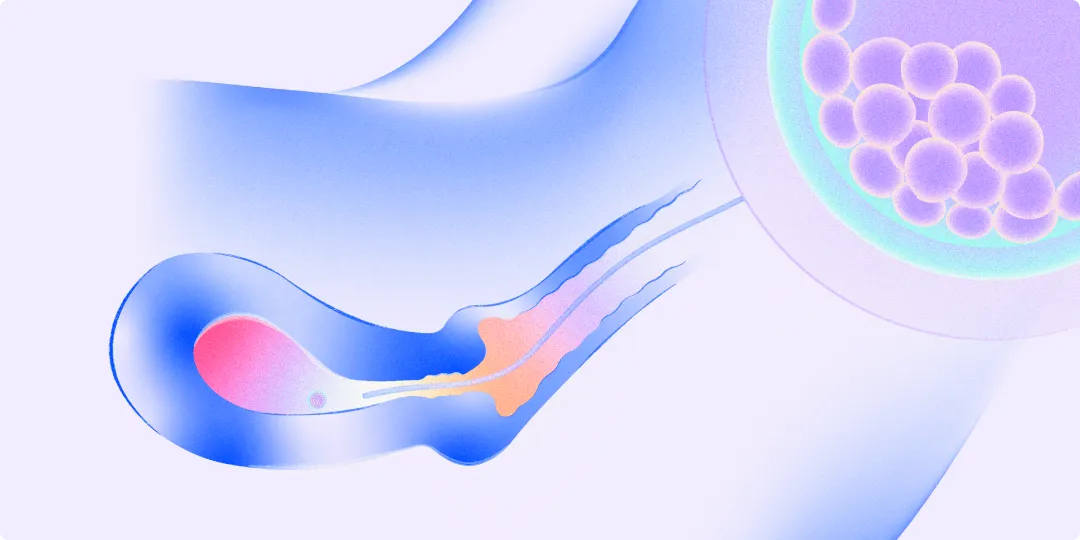
Embryos that reach the blastocyst stage be transferred during the same treatment cycle or frozen for a frozen embryo transfer (FET) in the future. If PGT is performed, embryos are frozen while the testing is completed and can be transferred in a future cycle.

I always felt supported, questions were always answered honestly. They were supportive in our ups and downs!”
Vanessa & Jerry

Get to know the fertility specialists who bring deep expertise to your care while taking time to understand your unique history, journey and goals.

Much of the IVF process happens beyond the exam room. In our embryology labs, experienced embryologists carefully handle eggs, sperm and embryos while closely monitoring embryo development at every stage.
Explore trusted guidance from our fertility experts to better understand the mini IVF process and feel more confident about your next step.

The success of Mini IVF compared with traditional IVF depends on several factors including your age, ovarian reserve, fertility history, and treatment goals. For some patients, particularly those who expect to develop only a small number of eggs even with higher doses of medication, Mini IVF may offer a reasonable alternative using less medication. Your physician will recommend the approach that is best suited to your individual circumstances.
Mini IVF may be considered for patients with diminished ovarian reserve, those who are expected to produce a smaller number of eggs with ovarian stimulation, or patients who prefer a gentler, less medication-intensive approach to IVF. It may also be a good option for patients looking to reduce medication costs or minimize medication-related side effects.
Mini IVF uses lower doses of fertility medications to stimulate the development of a smaller number of eggs. Rather than trying to recruit a larger group of eggs through more intensive ovarian stimulation, Mini IVF takes a gentler approach to obtain eggs that can be fertilized and develop into embryos.
For some patients with diminished ovarian reserve, Mini IVF may be an appropriate treatment option. Because the ovaries may only produce a limited number of eggs even with higher doses of fertility medications, a lower-dose approach may sometimes achieve a similar ovarian response while reducing medication use, potential side effects, and treatment costs.
Yes. If additional treatment is recommended, Mini IVF can be repeated, and some patients may undergo multiple cycles to increase the number of eggs or embryos available. Because Mini IVF typically involves lower doses of fertility medications, some patients may find repeated cycles to be a more manageable approach to treatment.